What this means
Activated charcoal is a processed carbon with a large surface that can adsorb some chemicals in the gut so less drug or poison enters the blood. In emergency medicine that property is used, carefully, after selected oral overdoses. NIH StatPearls describes charcoal as a gastrointestinal adsorbent that works best when given early, and only after clinicians weigh contraindications such as an unprotected airway or ingested corrosives.
A binder protocol in a longevity clinic is usually something else: daily charcoal, clay, chitosan, or a prescription-style resin taken for weeks because a brochure said mold, metals, or unnamed toxins need to be caught in the intestine. That story borrows the overdose mechanism and stretches it into a lifestyle cleanse. Adsorption in a single emergency dose is not evidence that a nightly capsule empties a body burden.
Binders also do not choose only bad molecules. Anything still in the gut can stick, including medicines you need. That is the central patient risk. Charcoal is not a vitamin, not a food, and not a substitute for the liver and kidneys. NCCIH’s detox page is the right frame for the wellness version: commercial cleanses are weakly evidenced and sometimes unsafe.
This page explains the medical use and the marketing use. It does not tell you to treat a poisoning at home, and it does not rank binder brands.
What the evidence shows
For overdose, toxicology references support charcoal in selected ingestions when the patient is alert or the airway is secure and the poison is one charcoal can bind. Alcohols, metals such as iron and lithium, and corrosives are classic poor candidates. StatPearls also notes that even when absorption falls, proof that charcoal improves survival is limited. That is why poison-control and emergency physicians decide case by case.
For everyday detox, evidence that charcoal or clay protocols improve chronic symptoms, remove mycotoxins, or treat metal exposure is not in the same category. CDC has warned that urine mycotoxin tests are unvalidated for diagnosing illness, so a binder course built on that printout starts from a weak test. FDA’s chelation consumer page is about metal drugs, not charcoal, but the same logic applies: you do not treat a toxin you have not documented with a product that has no approved detox indication.
Prescription binding resins such as cholestyramine have labeled uses, for example certain lipid or bile-acid problems. Using them off-label as a mold protocol is a medical decision with constipation, malabsorption, and drug-interaction risks. It is not a longevity default. Over-the-counter charcoal foods and capsules are not approved to treat poisoning or chronic disease.
What is well documented is interaction. If charcoal can bind a toxic dose of a pill, it can bind a therapeutic dose. Spacing doses helps only if someone has told you which drugs are vulnerable and how long to wait. Many clinic handouts skip that list.
- Supported use: selected acute oral poisoning under medical care.
- Unsupported use: daily cleanse for fatigue, mold kits, or unproven metal burden.
- Known harm: blocked medicines, constipation, vomiting, aspiration if misused when drowsy.
Common myths
A common myth is that black stools or thicker constipation mean toxins are leaving. They more often mean the charcoal is still in the gut. Do not use stool color as a clearance lab. Another myth is that if charcoal is used in emergency rooms, a smaller daily dose must be gently doing the same job. Emergency use is a timed, single-problem intervention, not a subscription.
People also hear that binders are required after a urine mycotoxin or provoked metal test. Those tests are frequent sales tools. CDC’s mycotoxin note and FDA’s warnings about metal-screening kits used to sell treatment both point the other way: an unvalidated result is not a protocol.
A third myth is that charcoal is harmless because it is not absorbed. Local gut effects still matter. Vomiting and aspiration are why clinicians avoid charcoal in people who are not fully conscious. Long-term use can interfere with nutrients. Natural and gentle are not the same as indicated.
A fourth myth is that you can self-treat a suspected overdose with boutique capsules. StatPearls and poison-control practice treat serious ingestions as monitored care. Home products may not match emergency doses or formulations. Call for help first.
How clinics use it
Some medical practices never use charcoal outside an emergency affiliation. Others prescribe a resin for a labeled indication and watch constipation and other drugs. Those uses can be ordinary medicine. The clinic should name the indication, the duration, and what lab or symptom would stop the drug.
Wellness programs often bundle charcoal with clay, chlorella, sauna, and a lab printout. Staff may tell you to take binders away from food but forget your levothyroxine, anticoagulant, or oral contraceptive. Ask for a written interaction check with a pharmacist. If the answer is that binders only grab toxins, you are hearing a slogan.
Watch for packages that start binders the same week as a provoked urine metal test or a mycotoxin kit. That sequence is a sales funnel more often than toxicology. A careful clinician would first ask about exposure, use a validated test when one exists, and fix the source.
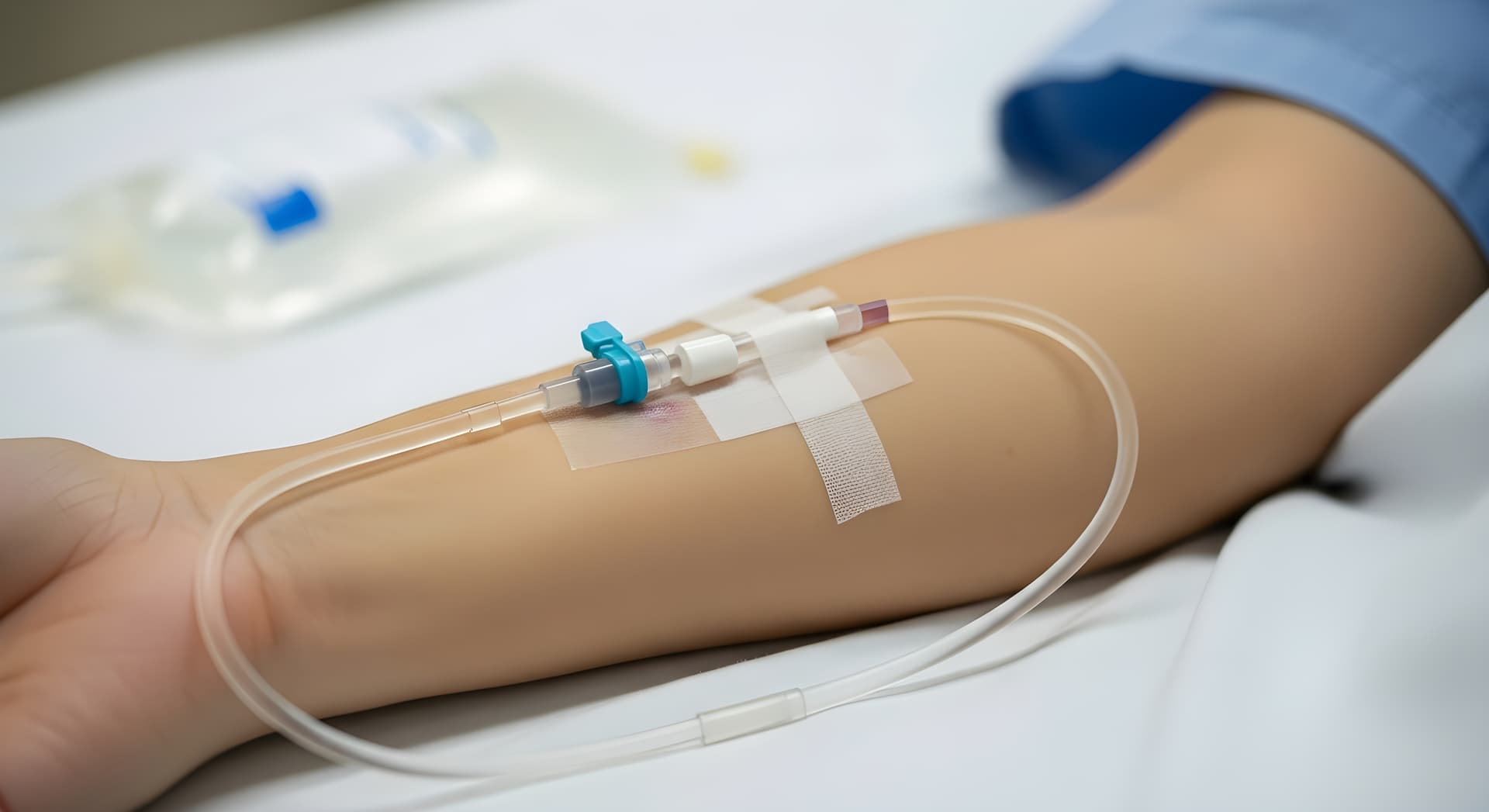
Injectable or IV binder language is a separate red flag. Charcoal is an oral adsorbent. It is not a vein cleanse. Do not accept charcoal or clay in an infusion.
Practical takeaway
Keep two files in your head. File one: suspected overdose—call poison control or emergency services and let them decide about charcoal. File two: chronic wellness—charcoal and binder stacks are not a proven way to remove mold toxins or metals, and they can block medicines you need.
If a clinic proposes a binder, ask which molecule, which validated diagnosis, how it will be timed around every prescription, and when you will stop. Check the story against CDC and FDA pages when the justification is a urine kit. NCCIH is a fair consumer summary for the cleanse industry as a whole.
Tell your physician, nurse practitioner, or physician assistant before you start. Bring the label. People on narrow-therapeutic-index drugs should assume interaction until a pharmacist says otherwise. Stop for vomiting, severe constipation, or any sign you cannot absorb a critical medicine.
Walk away from guaranteed detox, from charcoal lattes sold as overdose care, and from stacks that cannot be paused. Licensed toxicology is narrow. Binder marketing is wide. Choose the narrow path only when a clinician has a real ingestion or a labeled indication.
Frequently Asked Questions
References
NIH StatPearls: Activated Charcoal
https://www.ncbi.nlm.nih.gov/books/NBK482294/NCCIH: Detoxes and Cleanses — What You Need to Know
https://www.nccih.nih.gov/health/detoxes-and-cleanses-what-you-need-to-knowCDC MMWR: Unvalidated Urine Mycotoxin Tests
https://www.cdc.gov/mmwr/preview/mmwrhtml/mm6406a7.htmFDA: Questions and Answers on Unapproved Chelation Products
https://www.fda.gov/drugs/medication-health-fraud/questions-and-answers-unapproved-chelation-products Your Privacy Choices