What this means
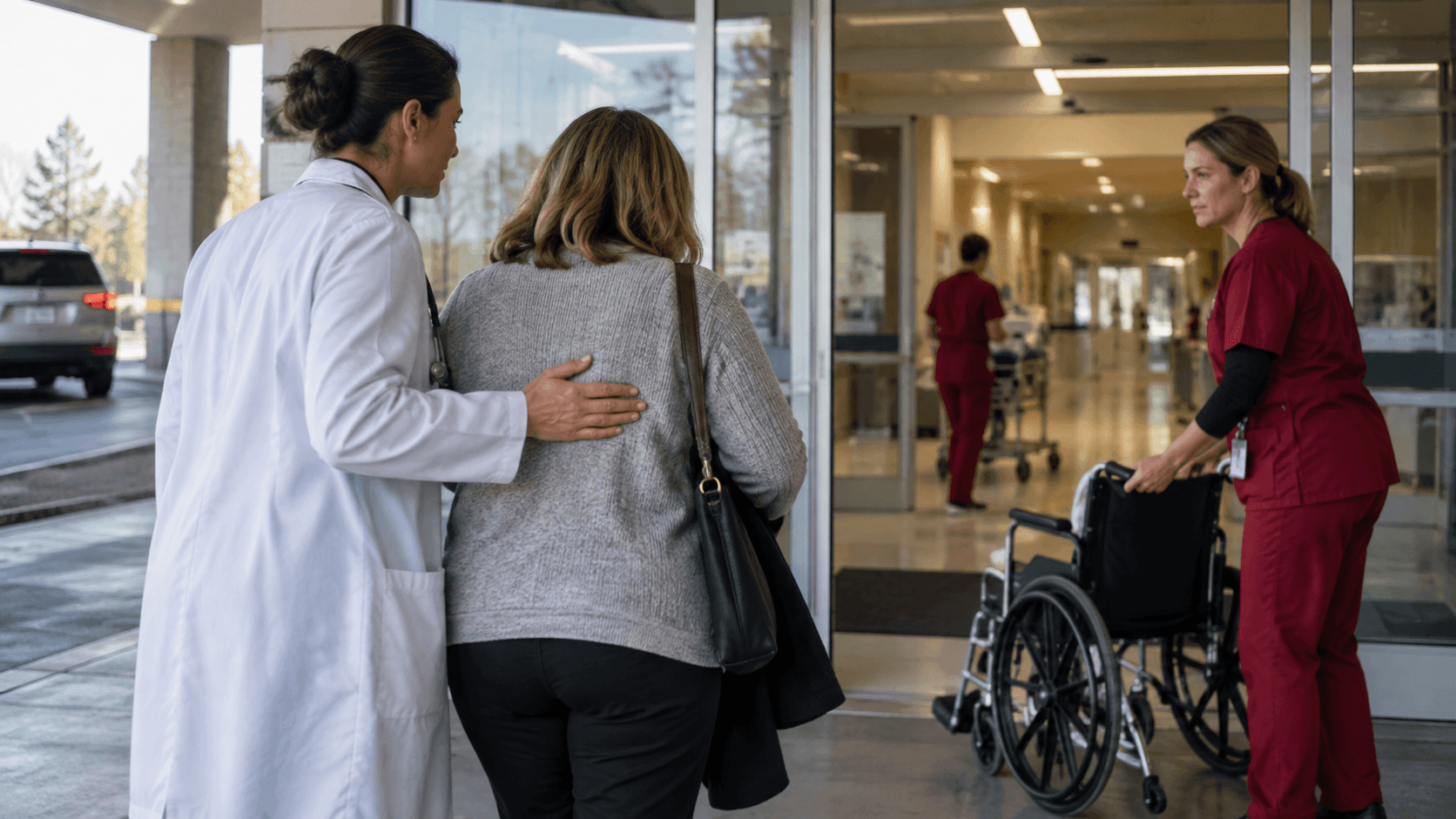
Referral boundaries are the line between a scheduled clinic visit and care that cannot wait. Naturopathic medicine, even when offered by a licensed naturopathic doctor, is not emergency medicine. It is also not a crisis mental-health service. Some symptoms belong in an emergency department or with a specialist the same day, regardless of which wellness plan you prefer.
Patients delay for understandable reasons: they hope the symptom is stress, they already have an appointment, or they trust a clinician who focuses on root causes. Delay is still delay. Heart muscle, brain tissue, and bleeding do not pause for a longer intake.
Licensure does not erase this line. In states that license naturopathic doctors, some NDs order labs or prescribe within a limited scope. That still does not make a wellness office the right door for chest pain, stroke signs, heavy gastrointestinal bleeding, or suicidal ideation. Those presentations need emergency protocols, imaging, and hospital resources.
A useful clinic says this out loud before you enroll. You should know which symptoms mean you should call 9-1-1 instead of the office, and which problems will be referred to primary care, cardiology, gastroenterology, neurology, or psychiatry. If the only plan is to book you sooner, the boundary is not in place.
What the evidence shows
CDC and the American Heart Association describe heart-attack symptoms that require immediate emergency care: chest pressure or pain, shortness of breath, pain in the jaw, neck, back, or arm, and sudden weakness or cold sweat. Women may also have nausea, unusual fatigue, or pain that is less classic. The action is to call 9-1-1, not to message a clinic and wait.
CDC stroke materials emphasize sudden face drooping, arm weakness, and speech difficulty, along with other sudden neurologic changes. Hospital treatment depends on how quickly you arrive. That timeline is the evidence. A botanical or lifestyle plan cannot meet it. The same logic applies to sudden severe headache with neurologic change, new seizure, or sudden vision loss.
NIDDK describes gastrointestinal bleeding as a reason for prompt medical evaluation. Vomiting blood, black stools, or large-volume rectal bleeding can mark ulcers, varices, or other sources that worsen. Vital-sign changes and fainting raise the urgency further. This is not a digestion-coaching problem first.
CDC suicide-prevention guidance treats suicidal thoughts as a situation for immediate help, including 9-1-1 and crisis lines such as 988. There is no evidence that an unscheduled wellness protocol is an adequate response. If a clinic's model does not include a written crisis path, it is not prepared for the presentations that actually show up in real practices.
Common myths
One myth is that a holistic clinician can stabilize emergencies with natural tools while you decide about the hospital. Acute coronary syndrome, stroke, and hemorrhage are time-sensitive. Another myth is that if you are young or previously healthy, chest pain or neurologic change can wait until Monday. Age lowers average risk. It does not rule out a dangerous cause.
A third myth is that suicidal thoughts are a lifestyle or spiritual issue to be explored in a long visit. Exploration can come later, with a licensed mental-health clinician, after you are safe. A fourth myth is that calling 9-1-1 is an overreaction if the symptom later proves benign. Emergency services exist because we cannot reliably sort dangerous from benign at home.
People also hear that a licensed naturopathic doctor is a primary-care substitute in every situation. Scope varies by state, and even where NDs have a broader role, emergency conditions still go to emergency systems. Primary care itself refers these problems out. The title on the door does not change the destination.
Prevention can lower some risks over years. It does not cancel an acute event in progress. Treating an emergency as a failure of mindset is a harmful story, not a clinical plan.
How clinics use it
Responsible naturopathic and lifestyle clinics use a screening script. Staff ask about chest pain, trouble breathing, neurologic deficits, bleeding, severe abdominal pain, allergic swelling, pregnancy complications, and thoughts of self-harm. A yes answer stops the ordinary booking flow. The next step is emergency services or same-day medical care, not a longer wellness intake.
During a visit, the same script applies. If you report new crushing chest pressure, the clinician should end the lifestyle discussion and activate emergency care. If you describe black stools or vomiting blood, the visit becomes a transfer plan. If you describe a plan to harm yourself, the clinic should stay with you and connect crisis services rather than sending you home with a supplement list.
Clinics also need outbound referral relationships: primary care, emergency departments, gastroenterology, cardiology, neurology, psychiatry, and labor and delivery. A clinic that cannot name where it sends chest pain or suicidal patients is asking you to invent the system yourself. That is not coordination.
Be wary of offices that discourage emergency departments as toxic, that treat 9-1-1 as a last resort after herbs, or that keep you on the table for a full consult when you are diaphoretic, confused, or bleeding. Those are operational red flags. They are more important than the branding on the wall.
Practical takeaway
Memorize a short list that always skips the wellness queue: chest pain or unexplained shortness of breath; sudden neurologic deficit; vomiting blood or black stools with weakness; severe allergic swelling; suicidal ideation or a plan to harm yourself or others. Call 9-1-1 or go to an emergency department. For suicidal crisis, 988 is also available.
Before you join a naturopathic clinic, ask what they do when those symptoms appear in the waiting room. You want a specific answer: call emergency services, stay with the patient, notify a licensed clinician, and do not start a supplement or homeopathic plan. Vague language is not a protocol.
Keep a usual source of medical care for problems that are urgent but not the list above: high fever with a weak immune system, new severe abdominal pain, sudden inability to urinate, or a mental-health crash without a safety plan. Those still need medical or psychiatric access, not a delayed root-cause series.
Naturopathic visits can still have a role for non-emergent questions in jurisdictions where the clinician is licensed and transparent about limits. That role starts after you are safe. Emergency and specialty boundaries are not a rejection of whole-person care. They are how whole-person care avoids becoming delayed care.
Frequently Asked Questions
References
About Heart Attack Symptoms, Risk, and Recovery - CDC
https://www.cdc.gov/heart-disease/about/heart-attack.htmlWarning Signs of a Heart Attack - American Heart Association
https://www.heart.org/en/health-topics/heart-attack/warning-signs-of-a-heart-attackStroke Signs and Symptoms - CDC
https://www.cdc.gov/stroke/signs-symptoms/index.htmlSuicide Prevention - CDC
https://www.cdc.gov/suicide/prevention/index.htmlGastrointestinal Bleeding - NIDDK
https://www.niddk.nih.gov/health-information/digestive-diseases/gastrointestinal-bleeding Your Privacy Choices