# Flow Therapy - EECP Treatment Centers
Flow Therapy operates a network of 11 treatment centers across the United States, specializing in Enhanced External Counterpulsation (EECP), an FDA-cleared, non-invasive cardiovascular therapy designed to improve blood flow and alleviate debilitating heart symptoms. The clinic focuses on treating patients with chronic angina, heart failure, coronary artery disease, and non-obstructive coronary artery disease (INOCA)—particularly those who have exhausted conventional treatment options such as medications, stents, or bypass surgery. With over 20 years of experience in advancing EECP care and support from more than 1,000 referring cardiologists nationwide, the clinic has established itself as a trusted provider backed by over 500 peer-reviewed clinical studies demonstrating the safety and efficacy of the treatment.
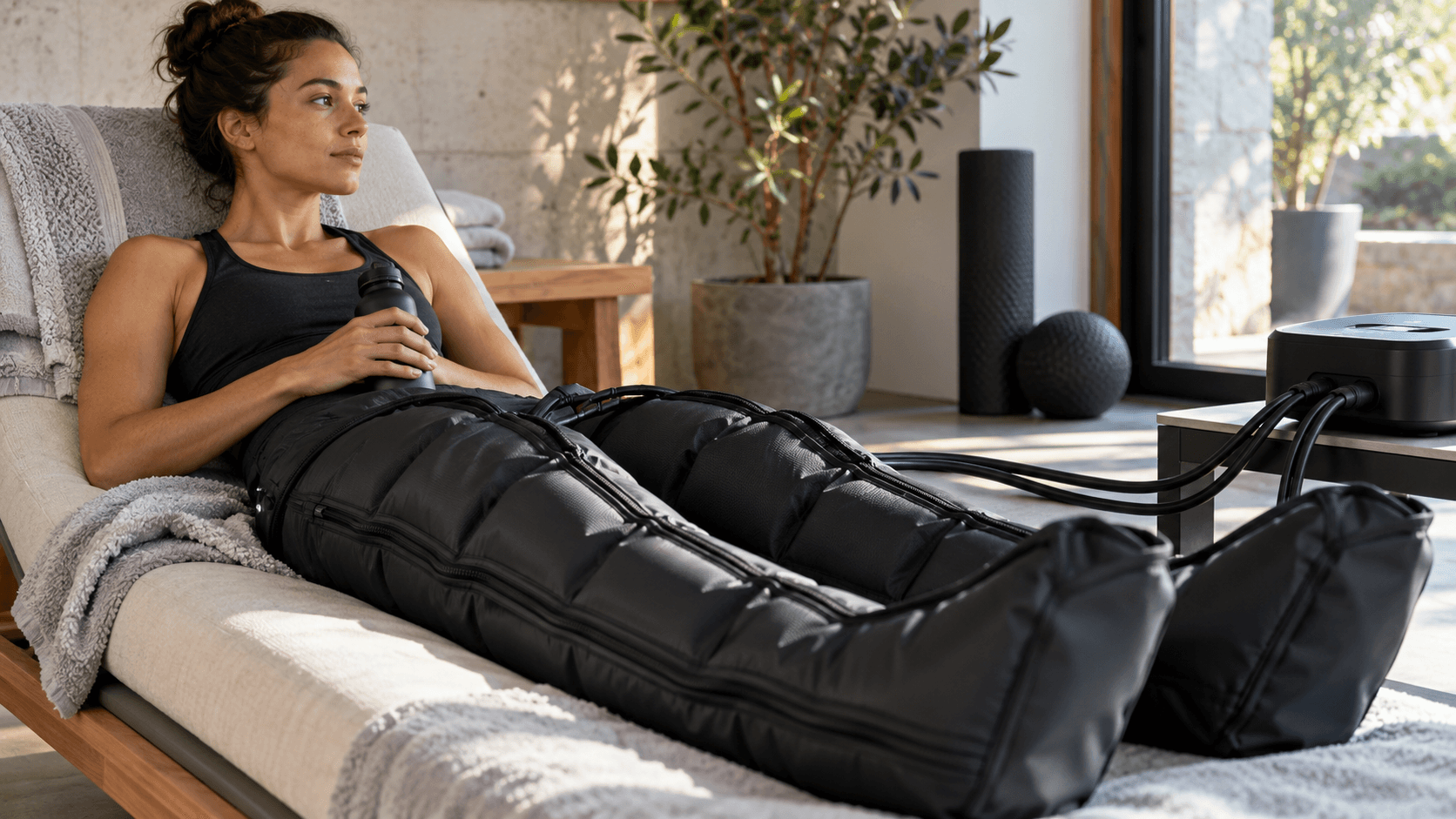
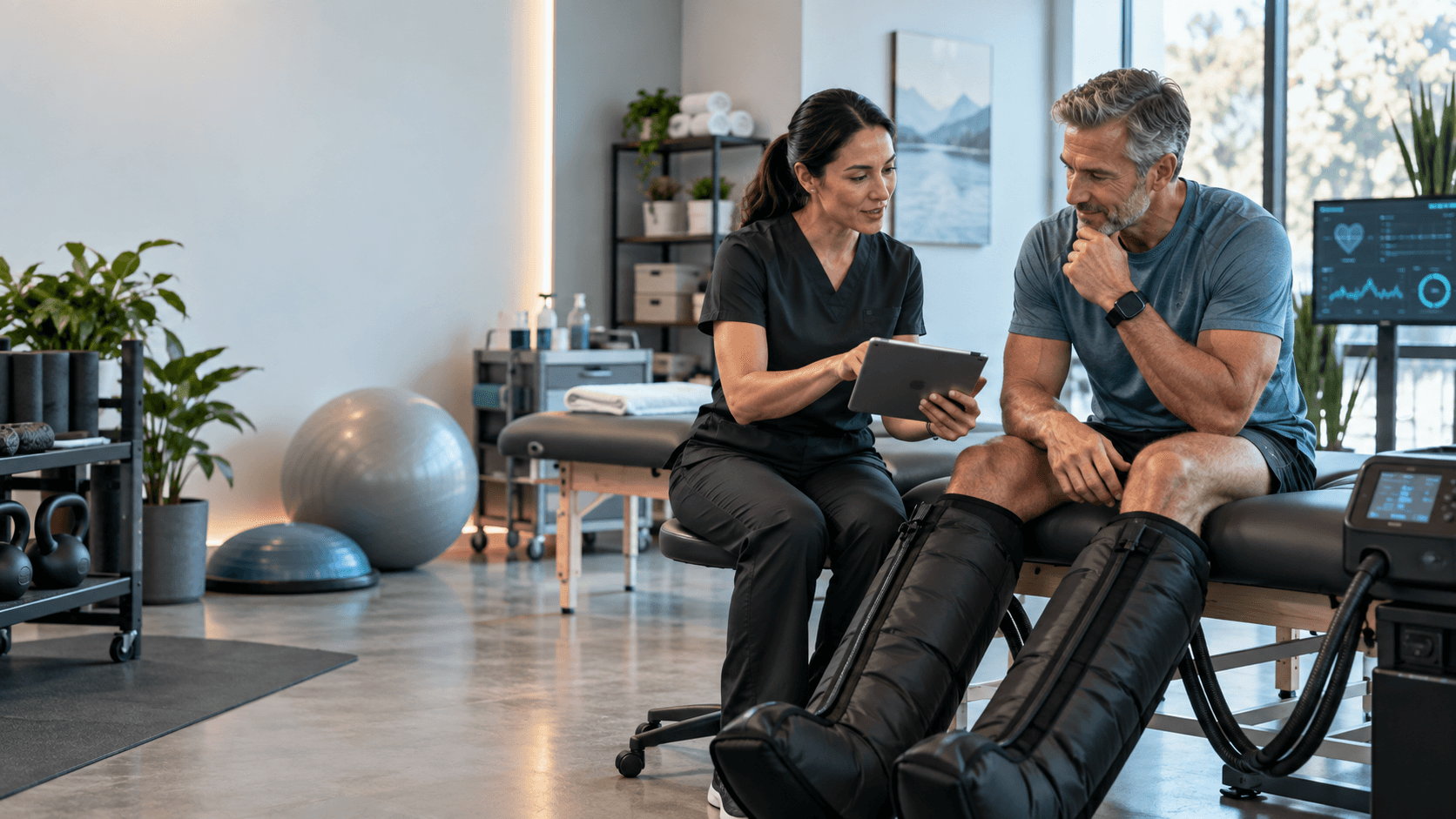
The EECP treatment protocol involves a comfortable, in-office procedure performed over 35 one-hour sessions spanning seven weeks. During treatment, pneumatic cuffs inflate on the patient's legs in synchronized rhythm with the heartbeat, gently increasing blood flow to the heart and encouraging the body to develop natural collateral pathways around arterial blockages. This non-invasive approach requires no surgery, anesthesia, or recovery time, allowing patients to relax during sessions while reading, watching television, or listening to music. The clinic reports that benefits often extend for years following treatment completion, with patients experiencing reduced chest pain, improved exercise tolerance, decreased fatigue, and enhanced quality of life.
Flow Therapy accepts Medicare, Medicaid, and most private insurance plans, making treatment accessible to qualifying patients with minimal out-of-pocket costs. The clinic's patient-centered approach includes comprehensive consultations to determine candidacy, detailed clinical evidence resources, and ongoing support throughout the treatment journey, positioning it as an ideal option for cardiac patients seeking effective alternatives to invasive procedures.