What this means
Skin tone changes how light- and heat-based aesthetic procedures behave. Melanin is a chromophore. It absorbs energy meant for a hair follicle, a brown spot, or water in the dermis. When the epidermis takes too much of that energy, the injury can look like a burn and then like post-inflammatory hyperpigmentation (PIH)—patches darker than the surrounding skin. PMC reviews of PIH describe it as especially common in darker phototypes after inflammation from acne, procedures, or trauma.
The Fitzpatrick scale is a six-type shorthand for how skin usually reacts to sun, from type I that always burns to type VI with deep pigmentation. It is clinically useful and incomplete. It does not measure ethnicity, mixed heritage, recent tanning, melasma risk, keloid history, or the body site being treated. Two people labeled type IV can have very different device safety if one is mid-summer tan and the other is not.
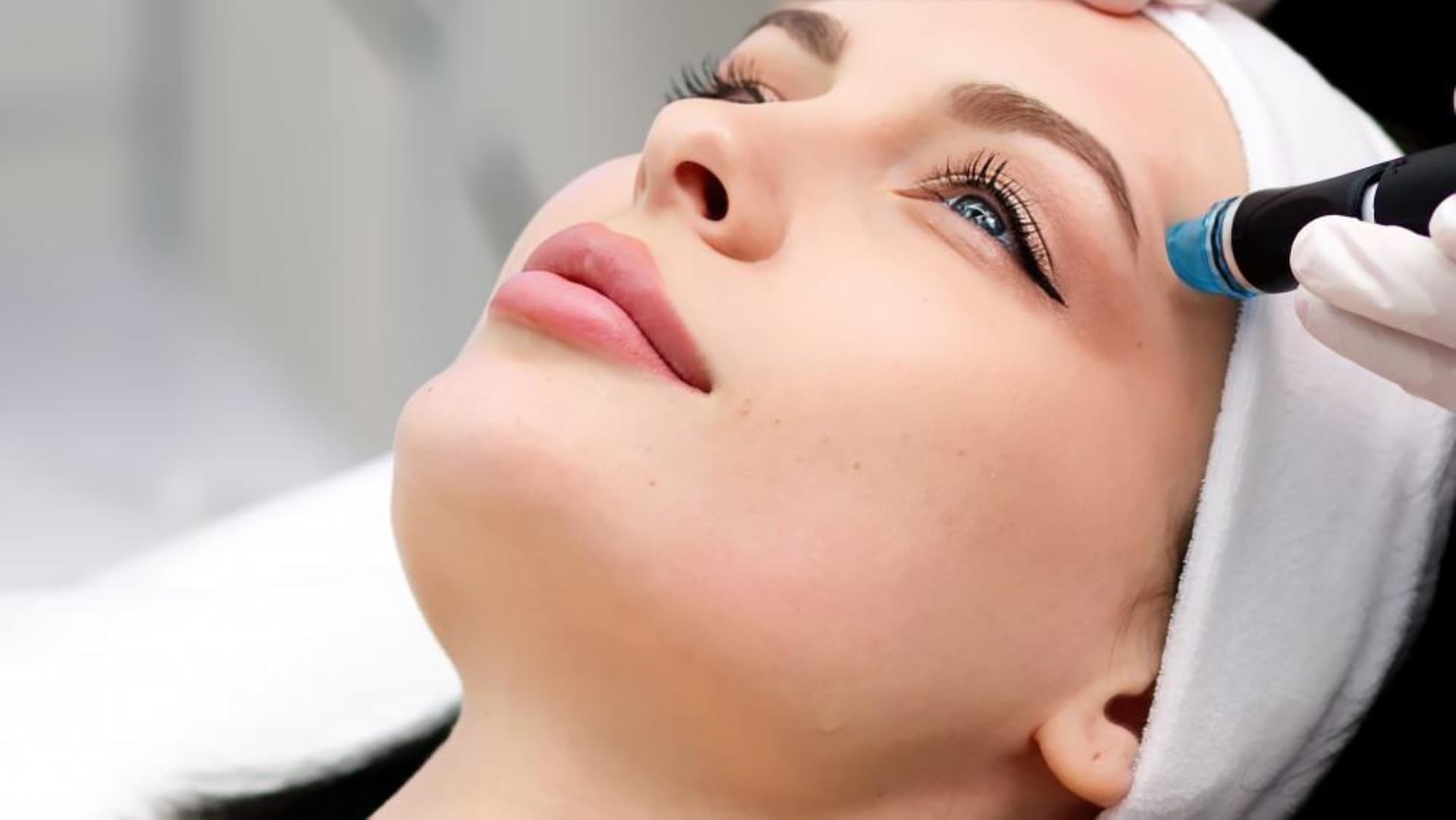
Energy devices include lasers, intense pulsed light, and radiofrequency systems, including RF microneedling. FDA regulates many of these as medical or radiation-emitting devices. Clearance for a general aesthetic indication is not a promise that a preset is safe on your face this week. A licensed clinician has to match diagnosis, device, and settings to the skin in front of them.
This page is for people comparing lasers, IPL, peels, and needling across skin tones. It is not a color-ranking of beauty, and it is not permission to treat a changing mole as a cosmetic spot. Undiagnosed pigmented lesions need a medical exam, not a glow package.
What the evidence shows
PIH risk rises when inflammation or thermal injury involves pigmented epidermis. Acne itself is a common PIH trigger; NIAMS acne pages note dark spots that linger after lesions in many people. Procedure-related PIH follows the same biology. Darker skin is not “too sensitive for all aesthetics,” but it is less forgiving of excess heat, overlap passes, and sun on healing skin.
Device physics explains the caution. Short-wavelength light and broad IPL bands are more likely to be absorbed by epidermal melanin. Longer-wavelength lasers are often discussed for hair or pigment work in darker skin because they relatively spare the epidermis—when pulse width, fluence, and cooling are correct. No wavelength is automatically safe. Tanned skin behaves like a darker target even if your winter Fitzpatrick number is lower.
RF microneedling is sometimes marketed as “color-blind” because electrical heat is less melanin-dependent than many lasers. That is only a relative statement. FDA’s safety communication on certain RF microneedling uses reports burns, scarring, fat loss, nerve injury, and other harms. Thermal injury still causes PIH. Mechanical needling without RF can also pigment if it is deep, dirty, or followed by irritants and sun.
Melasma is a special case. Heat and visible light can worsen it. Treating every brown patch as sun damage with IPL or an aggressive peel is a common way to produce rebound darkening. Diagnosis first, then conservative medical therapy and strict photoprotection, often beats a device package. Evidence for restraint is as important as evidence for a wavelength.
Common myths
Myth: “Safe for all skin types” means settings do not change. If a clinic will not discuss fluence, pulse duration, cooling, or test spots, they are reading a sales card. All-skin-types advertising is a claim about marketing reach, not about your PIH risk.
Myth: Fitzpatrick type alone picks the machine. The scale is a start. Recent sun, self-tanner, hydroquinone, isotretinoin, pregnancy, herpes history, and prior PIH or keloids change the plan. Copying a setting from a photo of someone with a similar label is not an exam.
Myth: darker skin cannot have laser at all, so a spa IPL is the only option. The reverse is often true: poorly chosen IPL is a frequent PIH machine. A dermatologist may choose a longer-wavelength laser, a non-light option, or no device. Being turned down is a clinical decision, not a slight.
Myth: a test spot guarantees a full-face result. A test can reveal an early bad response. Overlap, cumulative heat, and aftercare still change outcomes. Ask when the test will be read and what finding cancels treatment.
How clinics use it
Good aesthetic practices examine skin in person, photograph without filters, classify phototype and actual pigment, and pick a device for a diagnosis—acne scars, discrete lentigines, unwanted hair—not for a season special. They adjust energy for tone and tan, use cooling, and give written aftercare that emphasizes sun protection. They stop if the endpoint looks like a burn.
Weaker clinics use race as a proxy, run the same IPL filter on everyone, or treat melasma like ordinary sun spots. Some add unsterile serums into needling channels. Some delegate lasers to operators who cannot manage a blister. FDA aesthetic-device pages exist because these products can injure people when they are used casually.
Ask how often the clinician treats Fitzpatrick IV to VI with this device. Ask for the model, wavelength or peel agent, and the pigment-complication plan. Ask who is licensed in the room. A physician, NP, or PA should be accountable. Device-company “trainers” are not your treating clinician.
If you have active acne, start with medical therapy as NIAMS outlines. Clearing inflammation can reduce later PIH from both disease and procedures. Do not stack a peel on inflamed, picking skin because a package expires this month.
Practical takeaway
Protect pigment as carefully as you chase texture. Darker skin raises PIH risk after energy devices and peels. Fitzpatrick type helps the conversation; it does not finish it. A licensed clinician who will change settings—or refuse a device—is the safety feature.
Prepare by avoiding tanning, listing photosensitizing medicines, and pointing out every changing lesion. Afterward, use gentle care and strict sun protection. Do not pick crusts or add harsh actives. Call for blistering, pus, spreading redness, or unexpected darkening or lightening. Not every pigment injury is quickly reversible.
Walk away from all-skin-types guarantees, race-only device choice, and filtered before-and-after photos. Walk away if nobody can explain how they prevent PIH or manage a burn. Price a test spot and a follow-up, not only a full-face flash sale.
Aesthetic care can be appropriate across skin tones when diagnosis, device, and dose match the person. It is elective. It should never be rushed by a preset that ignores melanin.
Frequently Asked Questions
References
FDA Safety Communication: RF Microneedling Risks
https://www.fda.gov/medical-devices/safety-communications/potential-risks-certain-uses-radiofrequency-rf-microneedling-fda-safety-communicationFDA: Laser Products and Instruments
https://www.fda.gov/radiation-emitting-products/home-business-and-entertainment-products/laser-products-and-instrumentsNIAMS: Acne
https://www.niams.nih.gov/health-topics/acnePMC: Postinflammatory Hyperpigmentation
https://pmc.ncbi.nlm.nih.gov/articles/PMC2921758/FDA: Aesthetic Cosmetic Devices
https://www.fda.gov/medical-devices/aesthetic-cosmetic-devices Your Privacy Choices