What this means
Cold exposure is a short environmental stress: skin cools, vessels in the skin narrow, heart rate and blood pressure can rise, and you may shiver. Brown adipose tissue (BAT) can increase heat production without shivering in some adults. Those are real physiology lab findings. They are not the same as a proven treatment for obesity, type 2 diabetes, immunity, or longer life.
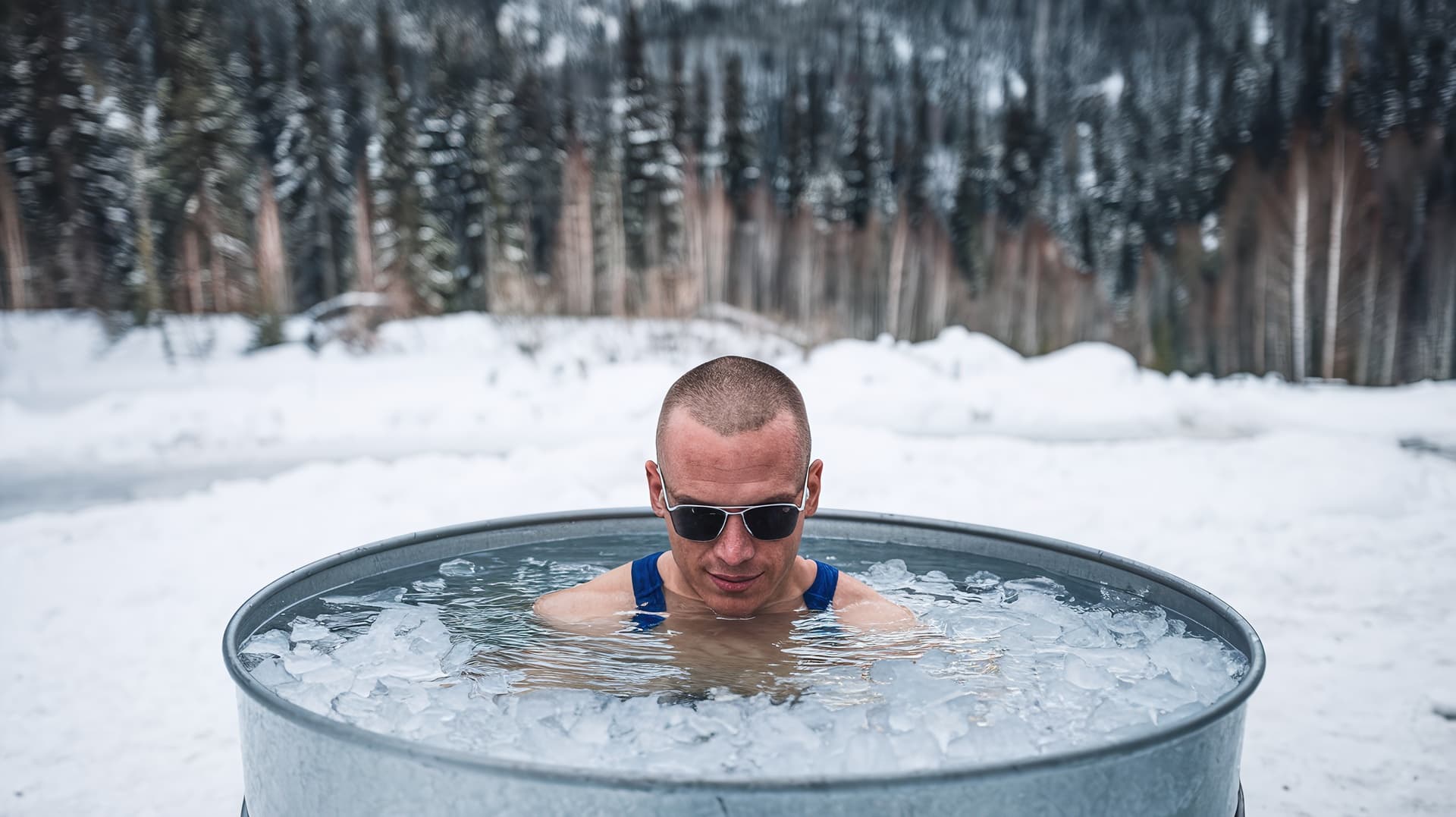
Longevity menus often collapse that gap. A plunge, ice bath, or cryotherapy session is sold as “activating brown fat,” “resetting metabolism,” or “hormetic longevity.” A few extra kilocalories during a cold bout do not establish a weight-loss or lifespan therapy. The National Institute of Arthritis and Musculoskeletal and Skin Diseases still discusses ice as a brief adjunct for some sports injuries—not as an aging protocol.
This page is for people deciding whether a cold membership is a medical plan. It is not a dare, and it does not rank plunges. If you have chest pain, known heart disease, or cannot feel your feet, the first clinician is a physician—not a recovery attendant timing your breath-hold.
What the evidence shows
Imaging studies show that mild cold can increase BAT activity and raise energy expenditure for the duration of the exposure. A PubMed Central review of cold and exercise describes BAT as a research target for obesity and diabetes, not a completed therapy. Another PMC narrative on intermittent cold exposure concluded that body weight and fat mass do not fall consistently, that glucose handling sometimes improves in small studies, and that most mechanistic work is in rodents housed in cold rooms—not humans in a three-minute tank.
Human protocols that change insulin sensitivity often use hours of mild cool air, not a single heroic plunge. Extrapolating those protocols to a gym tub overstates the dose and the outcome. Even when energy expenditure ticks up, appetite and later eating can offset it. No outcome trial shows fewer heart attacks, less cancer, or longer survival from recreational cold.
Cardiac and cold-injury evidence is more practical than the metabolism story. Sudden immersion can trigger a cold-shock response: gasping, hyperventilation, and a surge of catecholamines that raises cardiac workload. NHLBI materials on arrhythmias and on peripheral artery disease explain why extra heart stress or further reduced limb flow is a problem in the wrong patient. CDC winter-safety pages treat hypothermia and frostbite as injuries to prevent, not badges of a protocol.
- Shown in labs: BAT can activate; energy use can rise during cold.
- Not shown: plunges as obesity, diabetes, immune, or lifespan treatments.
- Clearer risk: cold shock, arrhythmia risk, frostbite, hypothermia.
Common myths
Myth: more shivering means more fat loss. Shivering burns some energy because muscle is working. It also means you are losing heat. It is not a clinical endpoint. Staying in until you cannot speak clearly is hypothermia risk, not optimization.
Myth: brown fat turns a plunge into a metabolic drug. Adult BAT volume is limited compared with marketing illustrations. Activating it briefly does not reproduce rodent cold-housing experiments. Myth: cold “boosts immunity” or “burns inflammation” in a way that replaces vaccines, diabetes care, or physical therapy. Feeling invigorated is not an immune panel and not a rehab plan.
Myth: if elite athletes plunge, it must be longevity medicine. Athletes sometimes use cold for short-term soreness when a rapid return to play matters. That is a sports-recovery choice with trade-offs—including possible interference with strength adaptations, discussed in a companion dose guide. It is not evidence that a sedentary adult will live longer by joining a plunge club.
How clinics use it
A careful sports or physical-therapy setting uses cold as a time-limited adjunct after a specific injury or workout, with a thermometer or known water temperature, a clock, a way to get out, and exclusion rules for heart and vascular disease. NIAMS-style home ice is a wrapped pack for minutes, not a membership.
Longevity studios often invert the framing. They sell unlimited plunges as metabolic training, add breath-holds, and praise tolerance. Breath-holding plus face-in-water can intensify autonomic conflict and is a poor add-on for anyone with rhythm risk. Staff who cannot take a brief cardiac history or who encourage alcohol before a plunge are not running a clinic.
Ask who is licensed to clear you, what temperature and time they use, whether someone watches the first session, and what they do if you faint. If the brochure promises diabetes reversal or extra years of life, treat that as advertising. Pair any optional cold with the unglamorous work that actually changes cardiometabolic risk: movement you can sustain, diet quality, sleep, tobacco cessation, and indicated medicines.
Practical takeaway
Cold can change how you feel for an hour. It can activate brown fat in a lab. It does not become a lifespan treatment because a menu says “metabolic.” If you enjoy a short, supervised cool-down and a clinician has no objection, that is a recreation choice. If you are buying cold to lose weight, fix glucose, or age more slowly, the evidence does not support the purchase.
- Get licensed clearance if you have heart, blood-pressure, or circulation disease.
- Use a known temperature, a short time, and a way out—no breath-hold contests.
- Stop for chest pain, severe gasping, confusion, or white numb skin.
- Keep indicated metabolic care; do not replace it with a plunge streak.
Judge success by whether you still have a medical plan for the problem you actually have. A colder tank is not a longer life. Licensed decisions stay with licensed clinicians, not with a metabolism slogan.
Frequently Asked Questions
References
PMC: Intermittent Cold Exposure and Adipose Tissue
https://pmc.ncbi.nlm.nih.gov/articles/PMC10778965/PMC: Cold and Exercise as Tools to Activate Brown Adipose Tissue
https://pmc.ncbi.nlm.nih.gov/articles/PMC6466122/NHLBI: Peripheral Artery Disease
https://www.nhlbi.nih.gov/health/peripheral-artery-diseaseNHLBI: Arrhythmias
https://www.nhlbi.nih.gov/health/arrhythmiasCDC: Prevent Hypothermia and Frostbite
https://www.cdc.gov/winter-weather/prevention/preventing-frostbite.htmlNIAMS: Sports Injuries — Diagnosis, Treatment, and Steps to Take
https://www.niams.nih.gov/health-topics/sports-injuries/diagnosis-treatment-and-steps-to-take Your Privacy Choices