
Guides
Longevity Treatment Guides
Treatment explainers, comparisons, and advice for choosing a longevity clinic — written to help you understand options before you book.
Topics
Filter by Type
Showing all 15 guides
Cold Therapy
15 guides in this topic

How to Choose a Cold Therapy Clinic
Clinic SelectionA good cold-therapy clinic screens for heart disease and cold intolerance, supervises every session, and keeps water clean. Extreme marketing is a red flag.
Also known as:
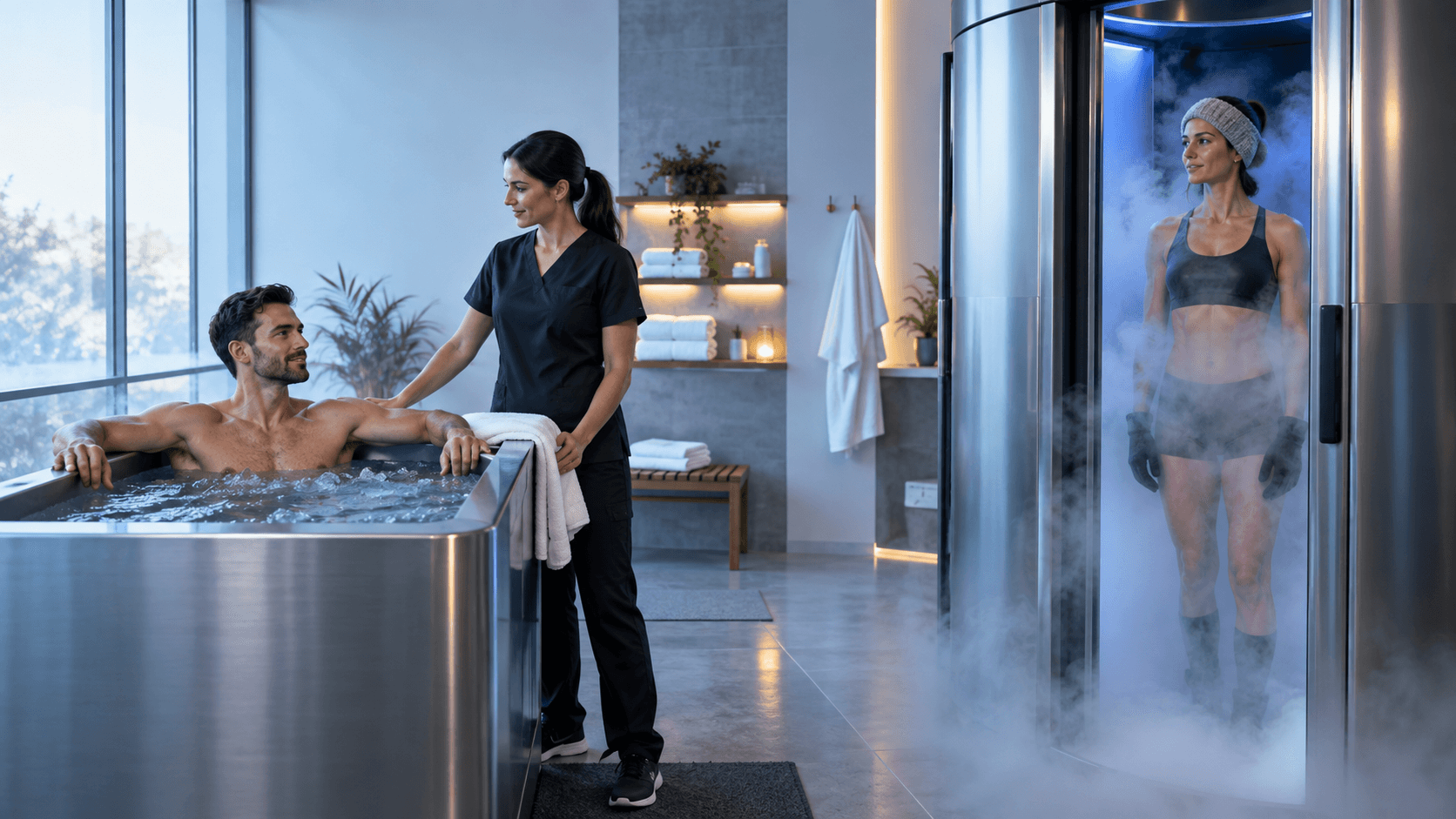
Cold Plunge vs Whole-Body Cryotherapy
ComparisonsCold-water immersion and nitrogen chambers differ in cost and risk. Neither is a proven longevity therapy. Cold shock can stress the heart; chambers add frostbite and asphyxiation hazards.
Also known as:
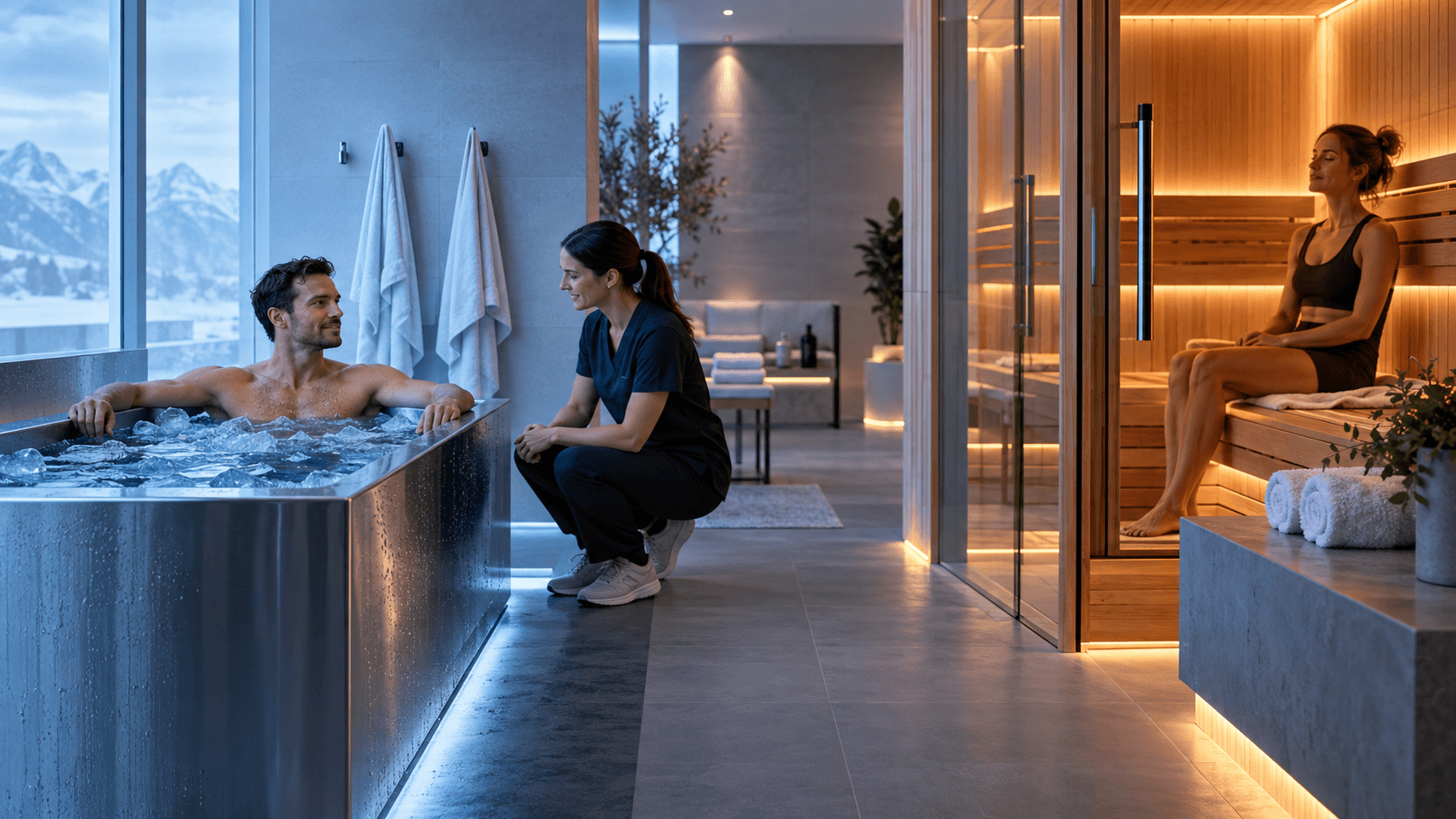
Cold Therapy vs Heat Therapy
ComparisonsCold is for short-term swelling and pain after a new sprain or strain. Heat is for stiffness and chronic muscle pain. Avoid both if sensation, circulation, or skin is impaired.
Also known as:
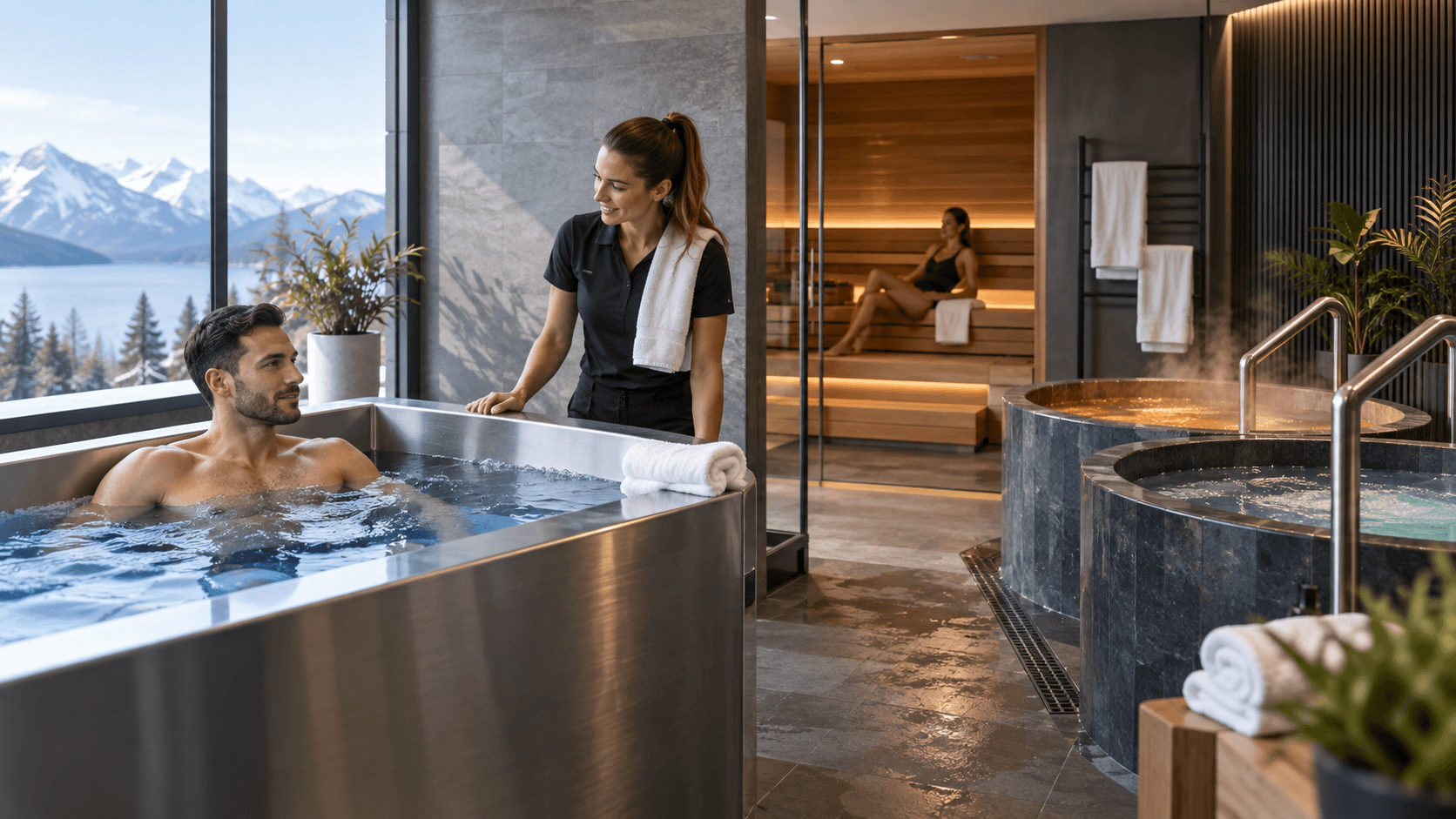
Cold Therapy vs Contrast Therapy
ComparisonsContrast therapy alternates heat and cold. Recovery evidence is mixed versus rest or cold alone. Skip it on open wounds, infection, or vascular disease unless a clinician clears you.
Also known as:
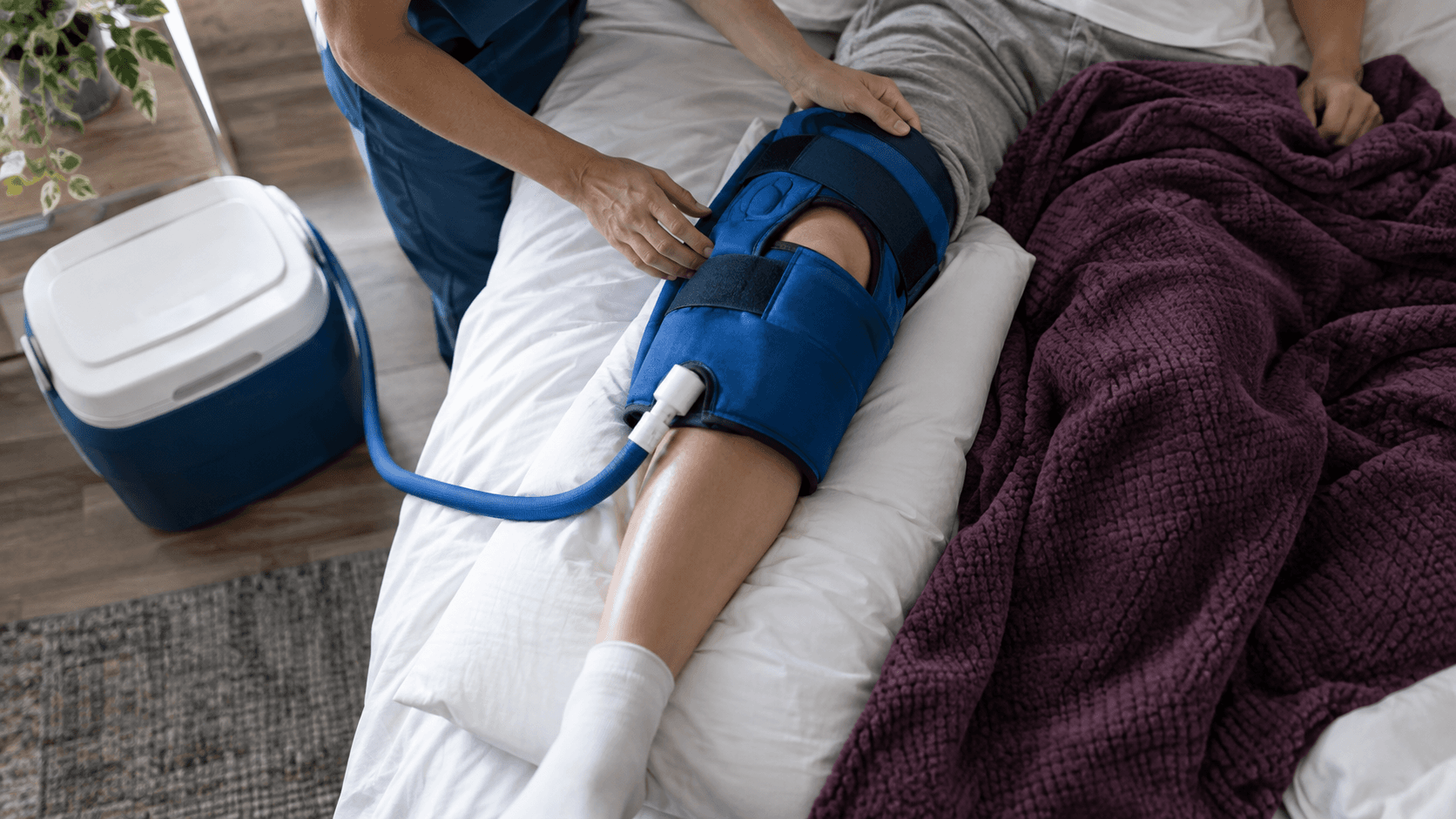
Cold Therapy After Injury or Surgery
Conditions & GoalsUse cold after injury or surgery only as your surgeon or physical therapist directs. PRICE or PEACE and LOVE can frame home care. Worsening pain, fever, or calf swelling need urgent review.
Also known as:
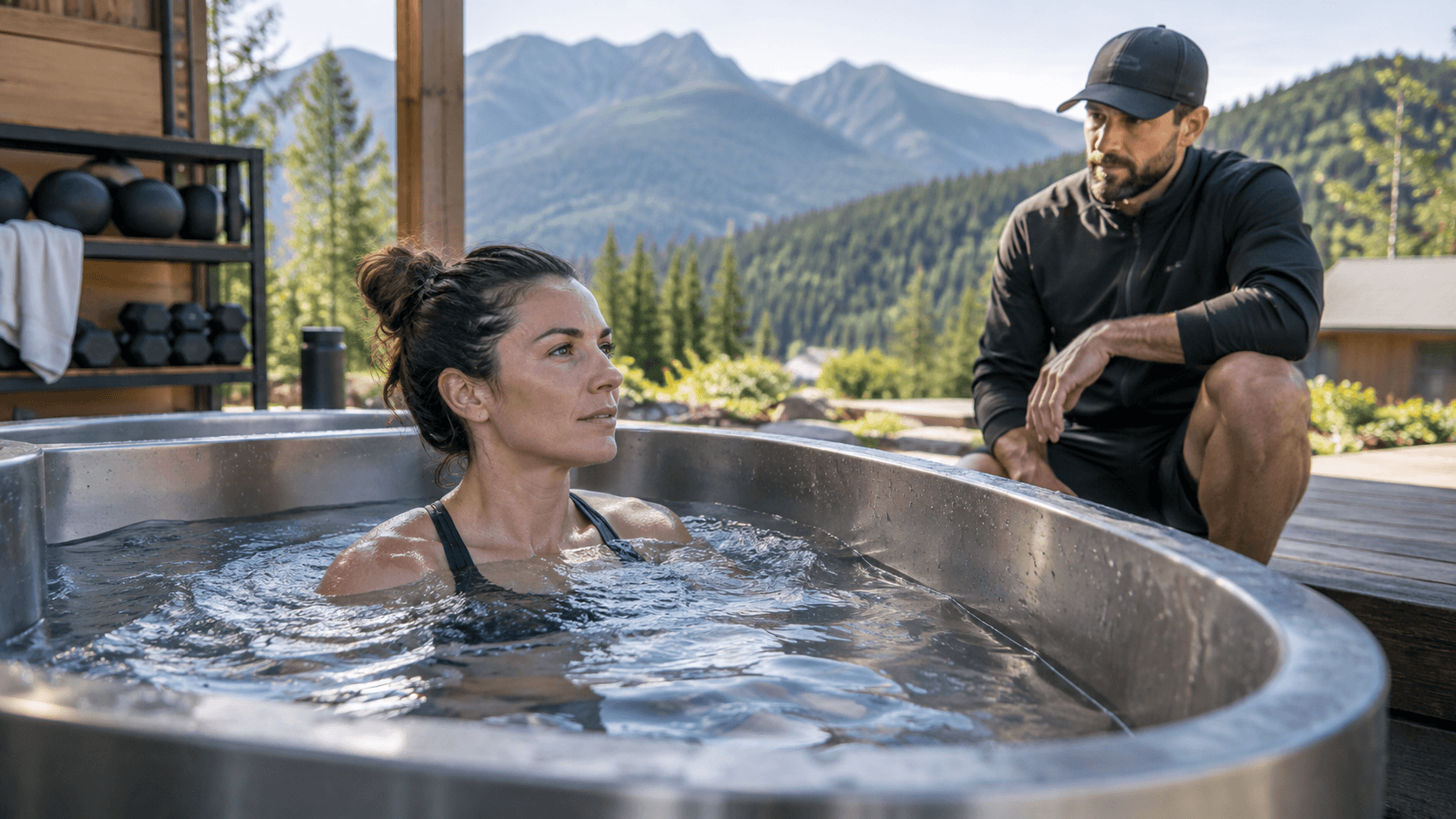
Cold Therapy for Exercise Recovery
Conditions & GoalsCold after hard training can ease soreness. Used immediately after strength work, it may blunt hypertrophy. Sleep, training load, and protein usually matter more than the plunge.
Also known as:
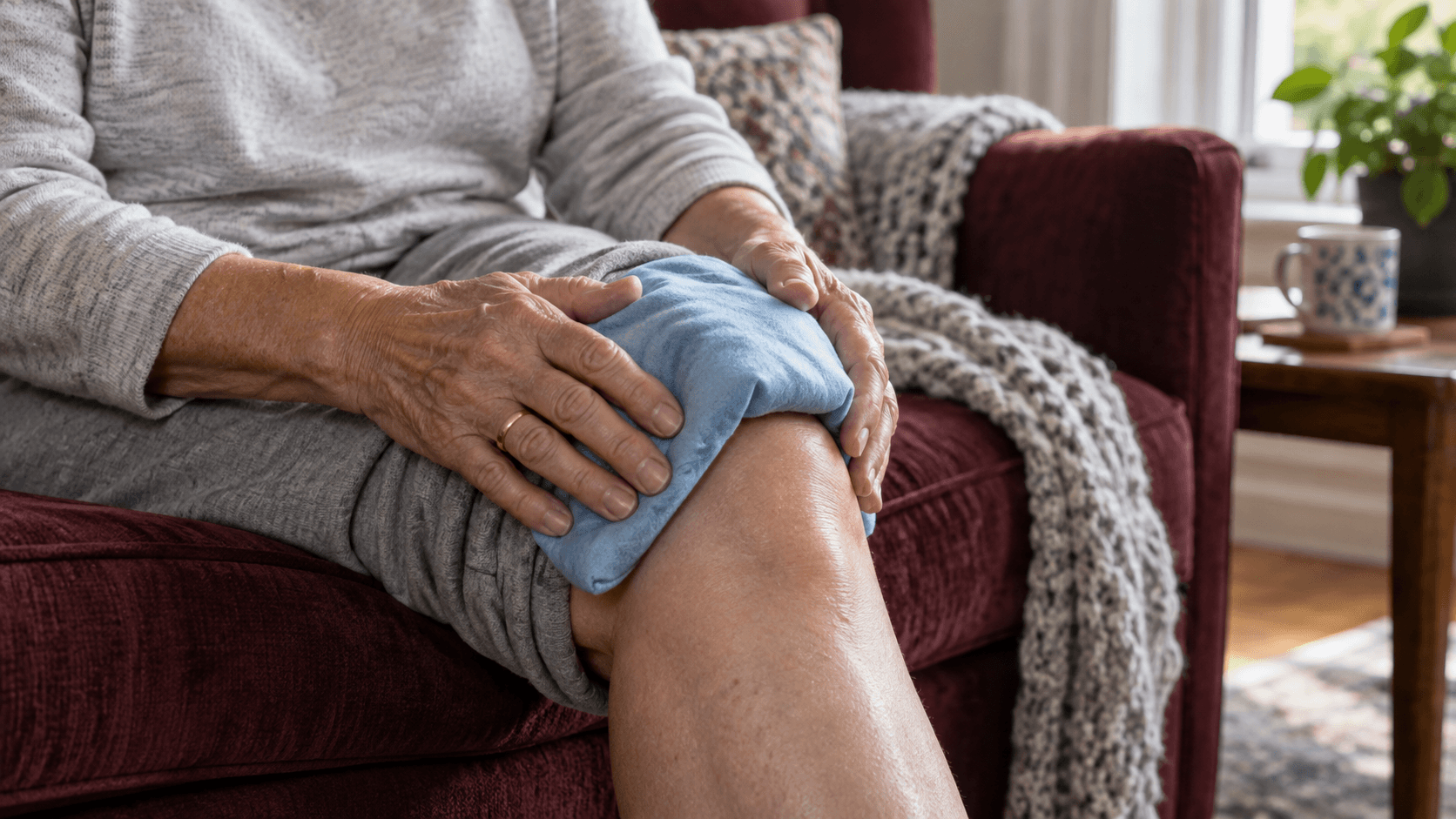
Cold Therapy for Pain and Inflammation
Conditions & GoalsCold can numb pain and limit swelling for a short time. It does not modify osteoarthritis or autoimmune disease. Screen circulation, sensation, and open wounds before you ice.
Also known as:
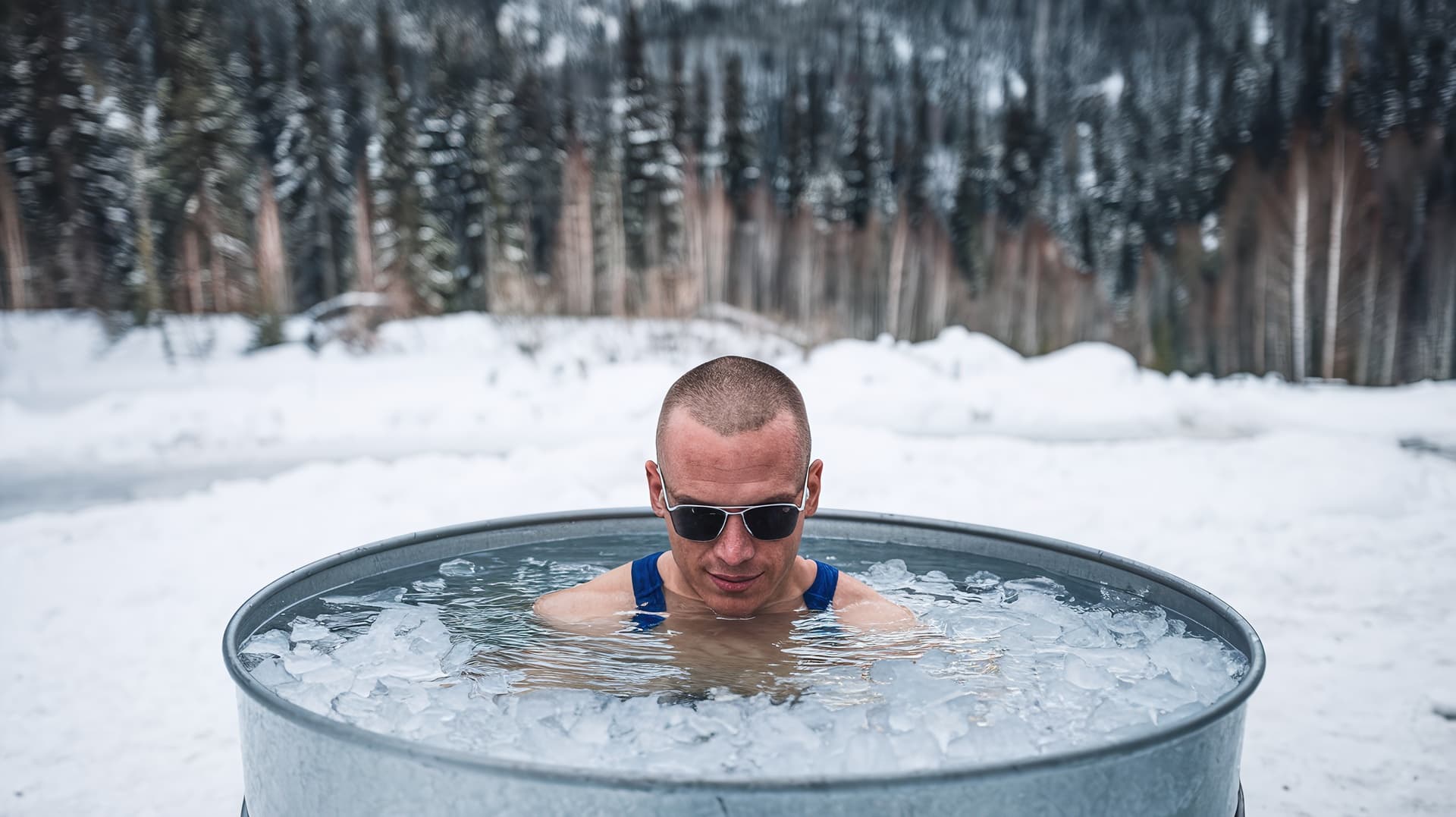
Cold Exposure, Metabolism, and Longevity Claims
Longevity InsightsBrown-fat and metabolism claims from cold plunges are overstated. Cold shock can stress the heart. Cold exposure is not a lifespan treatment.
Also known as:
Cold Therapy Temperature, Timing, and Dose Explained
Longevity InsightsCold dose is time, temperature, and skin protection—not toughness. After strength training, immersion may blunt hypertrophy. Stop for numbness or mottling.
Also known as:

Cryotherapy Explained: Is It Worth It?
Longevity InsightsWhole-body cryotherapy evidence is limited. Poorly run nitrogen chambers can cause frostbite or asphyxia. Short-term soreness relief is not a longevity treatment.
Also known as:
What Is Cold Compression Therapy?
TreatmentsCold-compression devices combine circulating cooling with a wrap or intermittent pressure. They may help short-term postoperative pain and swelling but can cause serious skin, nerve, and pressure injuries if misused.
Also known as:
What Is Localized Cryotherapy?
TreatmentsLocalized cryotherapy cools a limited body area using an ice pack, cold-air device, vapocoolant, or controlled applicator. Method and dose determine tissue cooling, evidence, and injury risk.
Also known as:
What Is Cold-Water Immersion?
TreatmentsCold-water immersion uses a tub or plunge for short-term cooling. It may reduce post-exercise soreness, but introduces cold-shock, drowning, cardiovascular, hygiene, and overexposure risks.
Also known as:
What Is Cold Therapy?
TreatmentsCold therapy ranges from ice packs and cold-compression devices to cold-water immersion and whole-body cryotherapy. Benefits, dose, and risks differ; colder and longer are not automatically better.
Also known as:
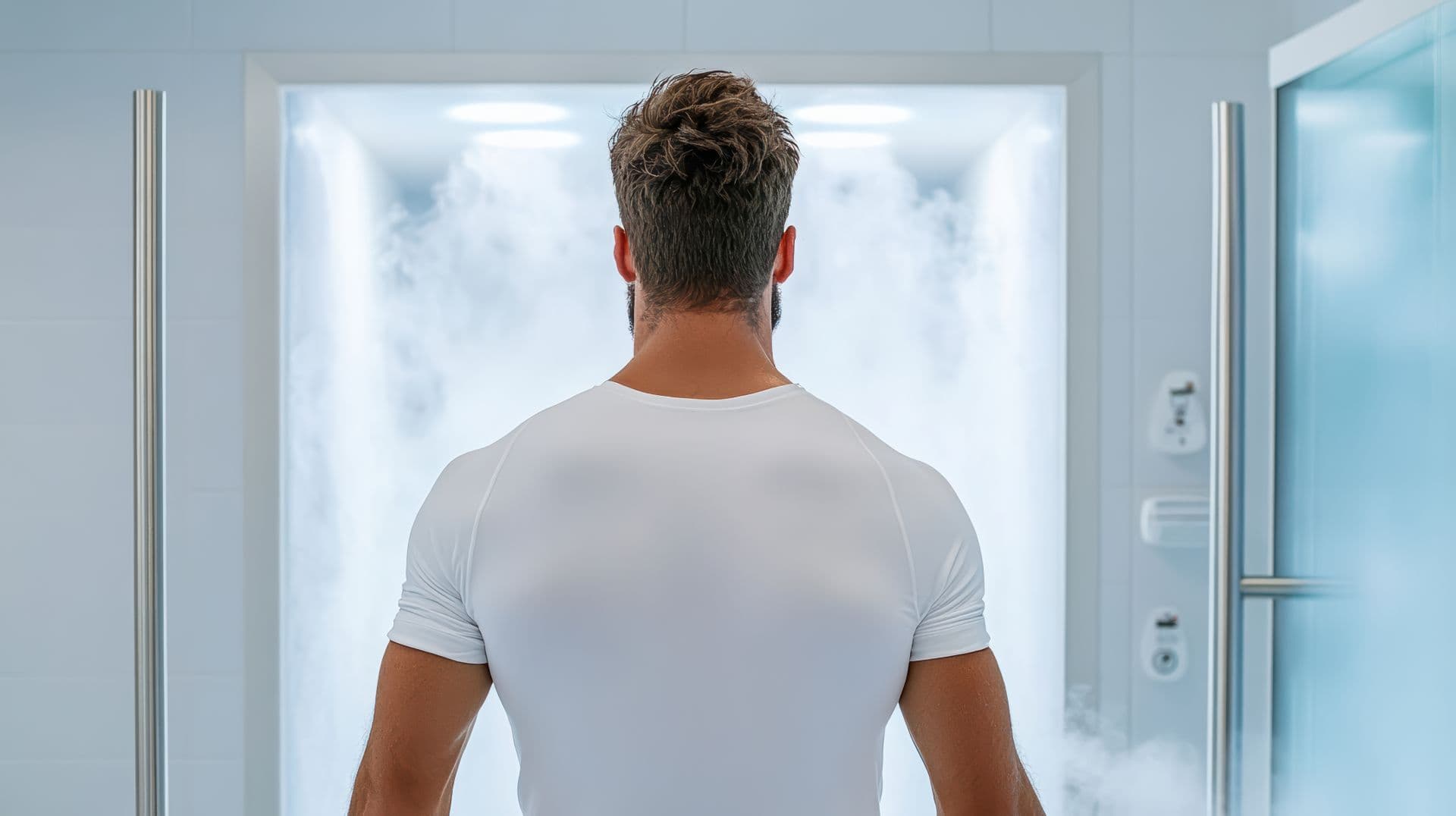
What Is Whole-Body Cryotherapy?
TreatmentsWhole-body cryotherapy exposes most or all of the body to extremely cold dry air for a few minutes. Short-term soreness benefits are uncertain and FDA has not cleared or approved WBC devices to treat medical conditions.
Also known as:
 Your Privacy Choices