Electrostimulation Therapy: TENS and NMES
TENS may ease some pain; NMES can help recruit muscle during rehab. Both are adjuncts. Pacemakers, broken skin, and the front of the neck are common contraindications.
TENS may ease some pain; NMES can help recruit muscle during rehab. Both are adjuncts. Pacemakers, broken skin, and the front of the neck are common contraindications.
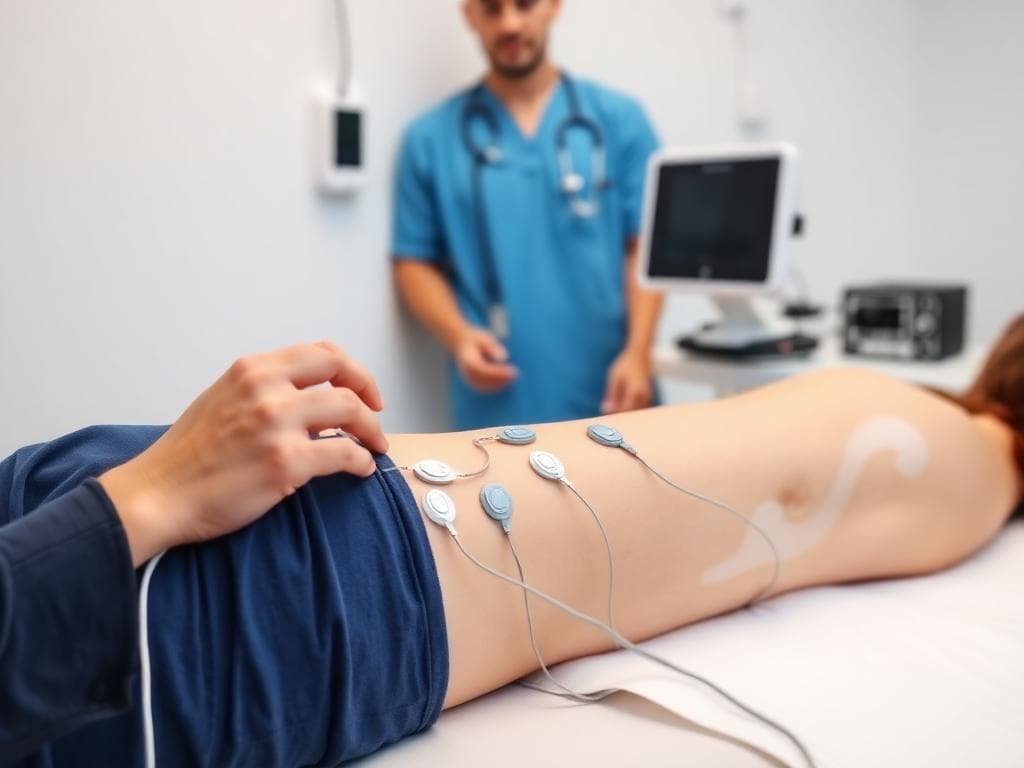
Electrostimulation therapy in rehabilitation usually means two different tools. TENS (transcutaneous electrical nerve stimulation) delivers sensory-level current through skin electrodes to modulate pain for some people, often for a short period during or after use. NMES (neuromuscular electrical stimulation, a powered muscle stimulator) is set to produce a muscle contraction so you can practice activation after injury, surgery, or neurologic inhibition. FDA device labeling treats these as distinct indications. Neither replaces diagnosis, progressive loading, or treatment of the condition causing pain.
NCCIH reviews complementary approaches to chronic pain and does not present electrical stimulation as a cure. NIH StatPearls notes that TENS evidence is mixed and condition-specific, and that clinicians must screen implanted electronics, pregnancy, seizures, skin integrity, and sensation before use. FDA guidance for powered muscle stimulators lists a cardiac demand pacemaker as a contraindication and warns against stimulation over the carotid sinus, across the chest, transcerebrally, or over open wounds or cancerous lesions. Consumer “abs” belts and spa e-stim beds are not the same as a PT-directed protocol.
A licensed physical therapist or physician should name the impairment—pain limiting movement, or poor voluntary contraction—then choose electrode sites, pulse width, frequency, and duty cycle. TENS that is only pleasant buzzing with no functional goal is entertainment. NMES that causes uncontrolled fatigue or is applied over numb skin can burn. Impaired sensation, dermatitis, and poor electrode contact raise burn risk. Pregnancy, epilepsy, and malignancy in the field need individualized medical advice; manufacturer manuals often list them as contraindications or precautions.
Reasonable outcomes are temporary pain reduction that lets you complete prescribed exercise, or a clearer muscle contraction during a rehab set. There is no reliable evidence that clinic e-stim “heals tissue,” erases delayed-onset soreness as a wellness service, or substitutes for imaging or medical evaluation of red-flag pain. If a recovery studio applies electrodes without asking about implants or neck placement, leave.
Wear clothing that exposes the treatment area. Do not lotion the skin where electrodes will sit. Bring implant cards and a medicine list. Tell the clinician about pregnancy, seizures, cancer treatment, recent surgery, and any patch or numb area. Eat and hydrate as you would for a normal therapy visit; this is not an infusion.
No downtime is expected. Mild redness under pads usually fades within hours. NMES can leave the muscle tired, similar to a light strengthening set. Report burns, spreading rash, chest symptoms, dizziness, or implant alerts immediately. Resume usual activity unless the therapist limited a specific movement.
Skin irritation, contact burns from poor pads, discomfort, and vasovagal lightheadedness can occur. Interference with pacemakers, ICDs, or neurostimulators can be dangerous. Stimulation over the carotid sinus or across the chest can affect heart rhythm or blood pressure. Impaired sensation hides burns. E-stim can delay diagnosis if it is used instead of evaluation of progressive neurologic, infectious, or cardiac pain.
FDA: Guidance for powered muscle stimulator 510(k)s
https://www.fda.gov/regulatory-information/search-fda-guidance-documents/guidance-document-powered-muscle-stimulator-510ks-guidance-industry-fda-reviewersstaff-andFDA: Pain management devices
https://www.fda.gov/medical-devices/consumer-products/pain-management-devicesNCCIH: Chronic Pain and Complementary Health Approaches
https://www.nccih.nih.gov/health/chronic-pain-in-depthNIH StatPearls: Transcutaneous Electrical Nerve Stimulation
https://www.ncbi.nlm.nih.gov/books/NBK537188/PMC: Meta-TENS systematic review of TENS for acute and chronic pain
https://pmc.ncbi.nlm.nih.gov/articles/PMC8845179/© 2026 Longevity Clinic Finder. All rights reserved.
Designed by SMBPulse
People with a defined pain or activation goal, intact sensation in the field, and no incompatible implant, who will use e-stim as part of a licensed rehab plan. It is not appropriate as a stand-alone wellness treatment or over numb skin, the anterior neck, or an implanted electronic device without specialist clearance.
Explore nearby clinics, compare profiles, and find providers offering this treatment.
Find Clinics Near You© 2026 Longevity Clinic Finder. All rights reserved.
Designed by SMBPulse
 Your Privacy Choices