
Guides
Longevity Treatment Guides
Treatment explainers, comparisons, and advice for choosing a longevity clinic — written to help you understand options before you book.
Topics
Filter by Type
Showing all 156 guides
Filter by Topics
Treatments
What a therapy is, how it works, cost, and what to expect
Aesthetic Medicine
18 guides

What Is Electromagnetic Muscle Stimulation?
TreatmentsNoninvasive powered muscle-conditioning devices, including brands such as Emsculpt®, that trigger repeated contractions using magnetic fields. They are not weight-loss devices or substitutes for exercise or rehabilitation.
Also known as:
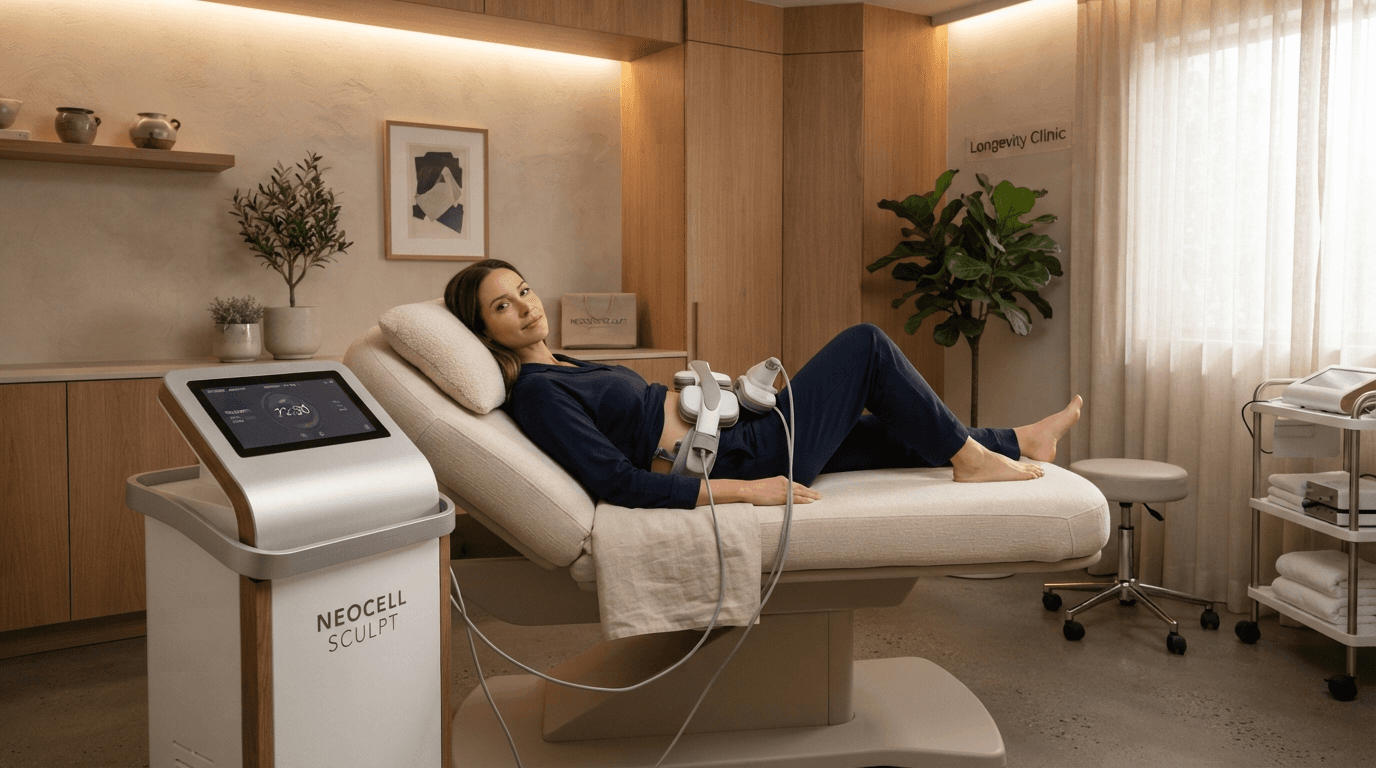
What Is Cryolipolysis (CoolSculpting)?
TreatmentsPrescription device treatment that cools selected pinchable fat bulges. It is not weight loss, and a rare complication—paradoxical adipose hyperplasia—causes the treated area to enlarge and may require surgery.
Also known as:
What Are HydraFacial® and Medical Facial Treatments?
TreatmentsSuperficial cleansing, exfoliation, suction, extraction, and topical-product treatments, including branded hydradermabrasion systems such as HydraFacial®. Benefits are temporary and depend on the exact device and ingredients.
Also known as:
What Are RF and Ultrasound Skin-Tightening Treatments?
TreatmentsNoninvasive energy procedures that heat tissue using radiofrequency or focused ultrasound. They may produce modest tightening in selected patients but can cause burns, nerve injury, pain, or unwanted fat loss.
Also known as:
What Are Chemical Peels?
TreatmentsControlled application of an acid or other chemical to exfoliate skin at a superficial, medium, or deep level. Agent, concentration, pH, layers, exposure, anatomy, and skin tone determine injury and downtime.
Also known as:
What Is Laser Skin Resurfacing?
TreatmentsAblative or nonablative laser treatment for selected wrinkles, scars, texture, or pigment concerns. Wavelength, fractionation, depth, skin tone, eye protection, and aftercare determine benefit and risk.
Also known as:
What Is an IPL Photofacial?
TreatmentsIntense pulsed light treatment using a broad range of filtered wavelengths for selected pigment, vascular, redness, or hair concerns. IPL is not a laser and can burn skin or injure eyes.
Also known as:
What Is Microneedling?
TreatmentsControlled mechanical puncture of skin with a powered needle device for authorized aesthetic indications such as selected facial acne scars or wrinkles. It is not automatically cleared to deliver cosmetics, drugs, PRP, or biologics.
Also known as:
What Is Radiofrequency Microneedling?
TreatmentsPowered needle treatment that delivers radiofrequency energy into or beneath skin. FDA has warned about reported burns, scarring, fat loss, disfigurement, and nerve damage with certain aesthetic uses.
Also known as:
What Is Kybella (Deoxycholic Acid)?
TreatmentsPrescription deoxycholic acid injections FDA-approved to improve moderate-to-severe submental fat in adults. It is not a general-purpose fat-dissolving injection and can injure the marginal mandibular nerve or nearby tissue.
Also known as:
What Are PDO Thread Lifts?
TreatmentsMinimally invasive placement of absorbable barbed sutures to create temporary tissue repositioning. Results and durability vary; dimpling, extrusion, infection, asymmetry, nerve injury, and difficult revision can occur.
Also known as:
What Are Botulinum Toxin Neuromodulators?
TreatmentsPrescription botulinum toxin injections that temporarily reduce selected muscle activity. Products are not dose-equivalent and carry a boxed warning for distant spread of toxin effect.
What Are Dermal Fillers?
TreatmentsInjectable implants used to add volume or alter contour. Materials and reversibility differ; accidental injection into a blood vessel can cause tissue death, stroke, or permanent blindness.
Also known as:
What Are Aesthetic Biostimulators?
TreatmentsInjectable products such as poly-L-lactic acid and calcium hydroxylapatite used to create gradual contour or collagen-related effects. They are not simply dissolvable and share serious filler injection risks.
Also known as:

What Are PRP and PRF Facial Treatments?
TreatmentsAutologous platelet preparations injected or applied in aesthetic skin procedures. PRP and PRF protocols vary, evidence is mixed, and combining blood products with microneedling adds infection and delivery considerations.
Also known as:

What Is Endermologie®?
TreatmentsA branded mechanical massage treatment using rollers and suction, marketed for temporary improvement in cellulite appearance and skin texture. It is not weight loss, fat removal, or a substitute for medical lymphedema care.
Also known as:
What Is Aesthetic Medicine?
TreatmentsMedical and device-based cosmetic care including injectables, resurfacing, energy devices, skin treatments, and body contouring. Benefits, credentials, regulation, downtime, and serious risks vary by procedure.
Also known as:
What Is Peptide Aesthetic Therapy?
TreatmentsTopical cosmetic products containing short amino-acid chains marketed for hydration, barrier support, or modest improvement in photoaging. Injectable peptides and delivery through microneedling are different, higher-risk practices and are not established cosmetic equivalents.
Also known as:
Alternative Medicine
5 guides
Image Coming Soon
Acupuncture: Evidence, Safety, and What to Expect
TreatmentsNeedle-based complementary care for selected pain and headache. Evidence is modest and condition-specific. It does not replace diagnosis or indicated medical treatment.
Also known as:
Image Coming Soon
Homeopathy: Evidence, Risks, and Regulatory Facts
TreatmentsHighly diluted products are not supported beyond placebo for any condition. The main harm is delay of proven care. No homeopathic product is FDA-approved.
Also known as:
Image Coming Soon
Herbal Medicine: Evidence, Interactions, and Product Quality
TreatmentsPlant-derived products vary by species, dose, and quality. Some have narrow evidence. Interactions, contamination, and delay of indicated care are the main safety issues.
Also known as:
Image Coming Soon
Chiropractic Care: Evidence, Safety, and Scope
TreatmentsHands-on spinal care that may help selected back or neck pain. Neck manipulation has an uncommon stroke discussion. It does not treat infection, cancer, or systemic disease.
Also known as:

Alternative Medicine: Evidence, Safety, and Informed Use
TreatmentsAlternative medicine is not one treatment. Evidence and risks vary by modality; this guide separates complementary use from risky substitution and explains how to choose safely.
Also known as:
Cognitive Performance
2 guides
Image Coming Soon
Cognitive Performance Assessment
TreatmentsA structured screen of attention, memory, and related skills. It is not a dementia or ADHD diagnosis. Progressive decline needs licensed medical referral, not repeat wellness testing.
Also known as:
Image Coming Soon
What Is Cognitive Training?
TreatmentsStructured practice can improve trained tasks. Transfer to daily function is limited. It is not a dementia treatment and should not delay evaluation of cognitive decline.
Also known as:
Cold Therapy
5 guides
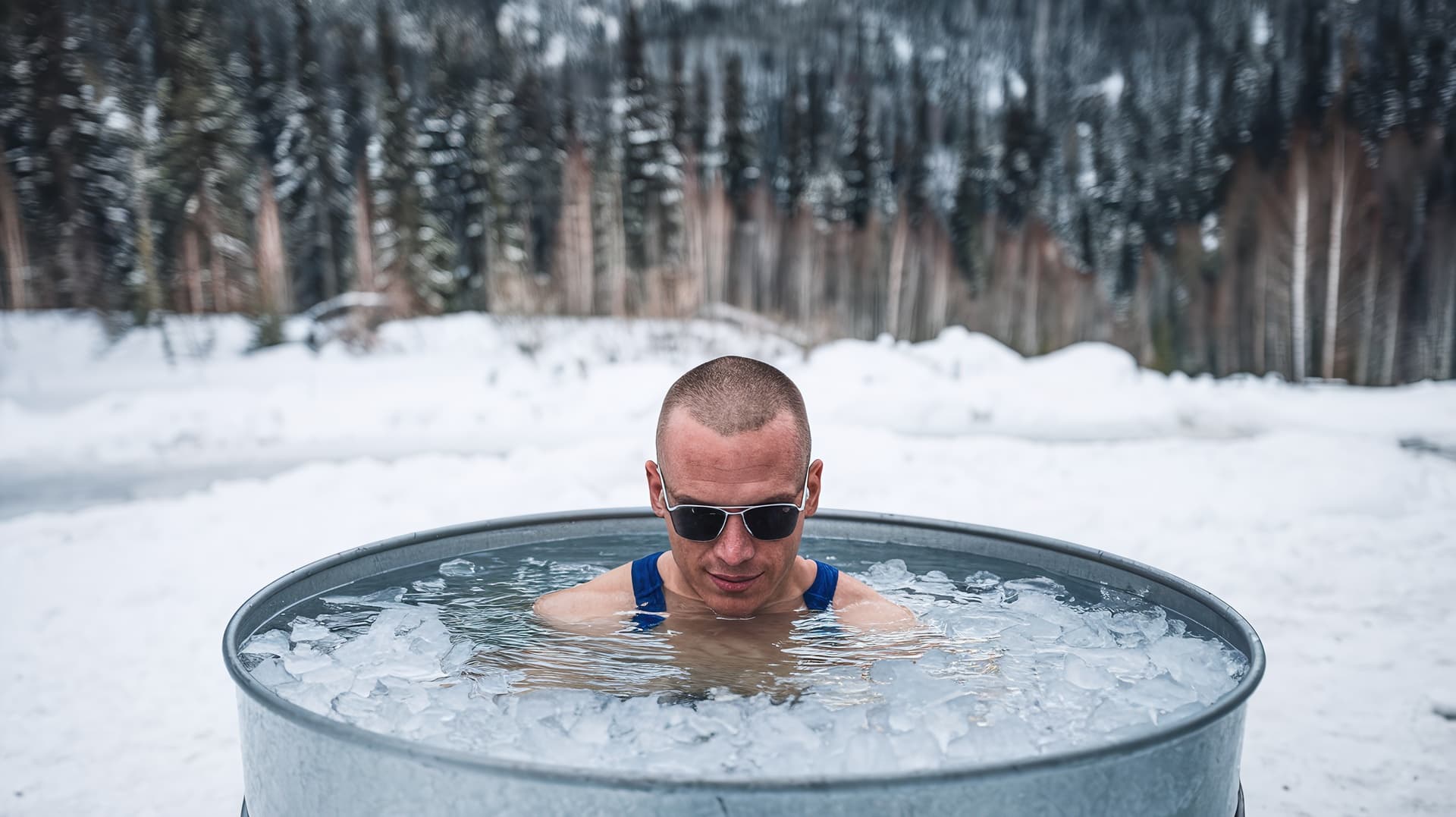
What Is Cold Compression Therapy?
TreatmentsCold-compression devices combine circulating cooling with a wrap or intermittent pressure. They may help short-term postoperative pain and swelling but can cause serious skin, nerve, and pressure injuries if misused.
Also known as:
What Is Localized Cryotherapy?
TreatmentsLocalized cryotherapy cools a limited body area using an ice pack, cold-air device, vapocoolant, or controlled applicator. Method and dose determine tissue cooling, evidence, and injury risk.
Also known as:
What Is Cold-Water Immersion?
TreatmentsCold-water immersion uses a tub or plunge for short-term cooling. It may reduce post-exercise soreness, but introduces cold-shock, drowning, cardiovascular, hygiene, and overexposure risks.
Also known as:
What Is Cold Therapy?
TreatmentsCold therapy ranges from ice packs and cold-compression devices to cold-water immersion and whole-body cryotherapy. Benefits, dose, and risks differ; colder and longer are not automatically better.
Also known as:

What Is Whole-Body Cryotherapy?
TreatmentsWhole-body cryotherapy exposes most or all of the body to extremely cold dry air for a few minutes. Short-term soreness benefits are uncertain and FDA has not cleared or approved WBC devices to treat medical conditions.
Also known as:
Detoxification
3 guides
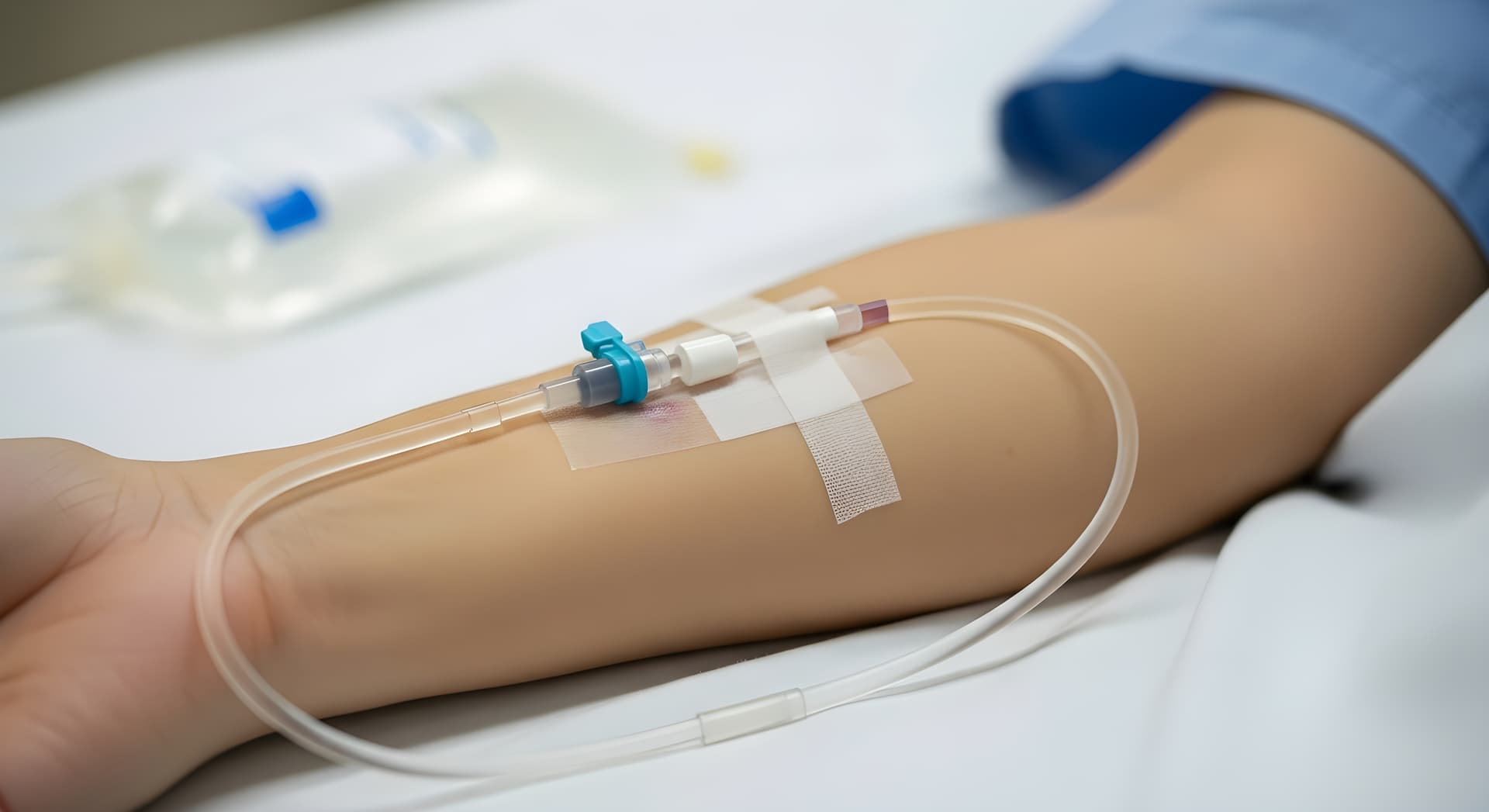
What Is Detoxification Therapy?
TreatmentsA screening-first framework for distinguishing proven treatment of a known toxic exposure from unsupported wellness cleanses. Effective care identifies the substance, stops exposure, supports organ function, and uses a specific antidote only when indicated.
Also known as:
What Is Colon Hydrotherapy?
TreatmentsColon hydrotherapy introduces water through the rectum to flush the colon. Evidence does not support routine toxin removal or wellness benefits, and complications can include infection, perforation, dehydration, and electrolyte disturbance.
Also known as:
What Is Chelation Therapy?
TreatmentsPrescription chelating drugs bind specific metals for selected confirmed poisonings. Agent, dose, route, and monitoring must match the metal; elective “detox” chelation and provoked urine testing are not equivalent to toxicology care.
Also known as:
Diagnostic Testing
9 guides

What Is Diagnostic Testing?
TreatmentsScreening and diagnostic tests can estimate risk, detect disease, monitor treatment, or measure function. High-value testing starts with a question and includes interpretation, follow-up, and protection from false positives and overdiagnosis.
Also known as:

What Is VO2 Max Testing?
TreatmentsVO2 max testing measures peak oxygen consumption during progressive exercise with gas analysis. It can assess cardiorespiratory fitness and exercise limitation when protocol, effort, calibration, and safety monitoring are appropriate.
Also known as:
What Is a DEXA (DXA) Scan?
TreatmentsDual-energy X-ray absorptiometry measures bone mineral density and can estimate body composition using low-dose ionizing radiation. Bone and body-composition protocols, outputs, and repeat intervals differ.
Also known as:

What Is an Executive Physical?
TreatmentsAn executive physical bundles history, examination, preventive planning, labs, and sometimes imaging or performance tests. Quality depends on evidence-based selection, continuity, and follow-up—not the number of tests.
Also known as:
What Is Performance Testing?
TreatmentsPerformance testing measures cardiorespiratory fitness, thresholds, body composition, strength, power, movement, or sport-specific capacity. Useful programs standardize protocols and turn results into training decisions.
Also known as:
What Are Diagnostic Scans?
TreatmentsDiagnostic imaging includes X-ray, ultrasound, DEXA, CT, MRI, and nuclear studies. The right scan answers a defined question or follows a validated screening guideline while minimizing radiation, contrast, incidental findings, and unnecessary follow-up.
Also known as:
What Is Genetic Testing?
TreatmentsGenetic testing examines selected variants, genes, panels, exomes, or genomes for a defined purpose. Test scope, ancestry, laboratory method, counseling, privacy, and confirmatory testing determine clinical value.
Also known as:

What Is Biomarker Testing?
TreatmentsBiomarker testing measures selected blood, urine, or other indicators to answer a clinical question. Useful testing links each result to pretest probability, standardized collection, interpretation, and an action plan.
Also known as:
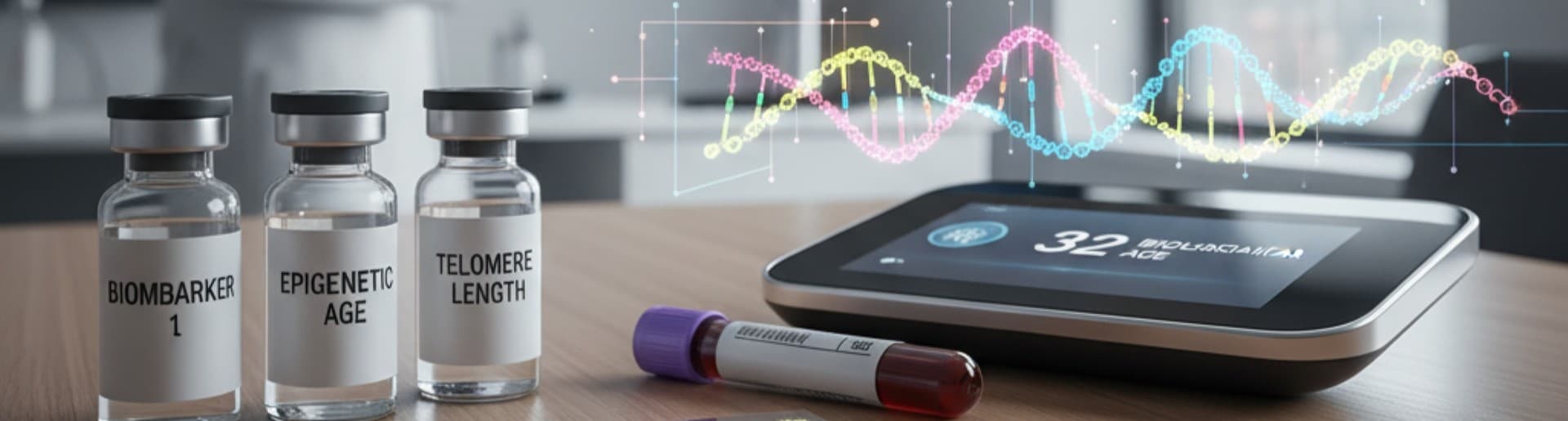
What Is Biological Age Testing?
TreatmentsResearch-oriented tests use DNA methylation, proteins, metabolites, physiology, or clinical data to estimate biological age or aging pace. Results are model-dependent and are not a diagnosis or proven treatment target.
Also known as:
Electromagnetic Therapy
4 guides
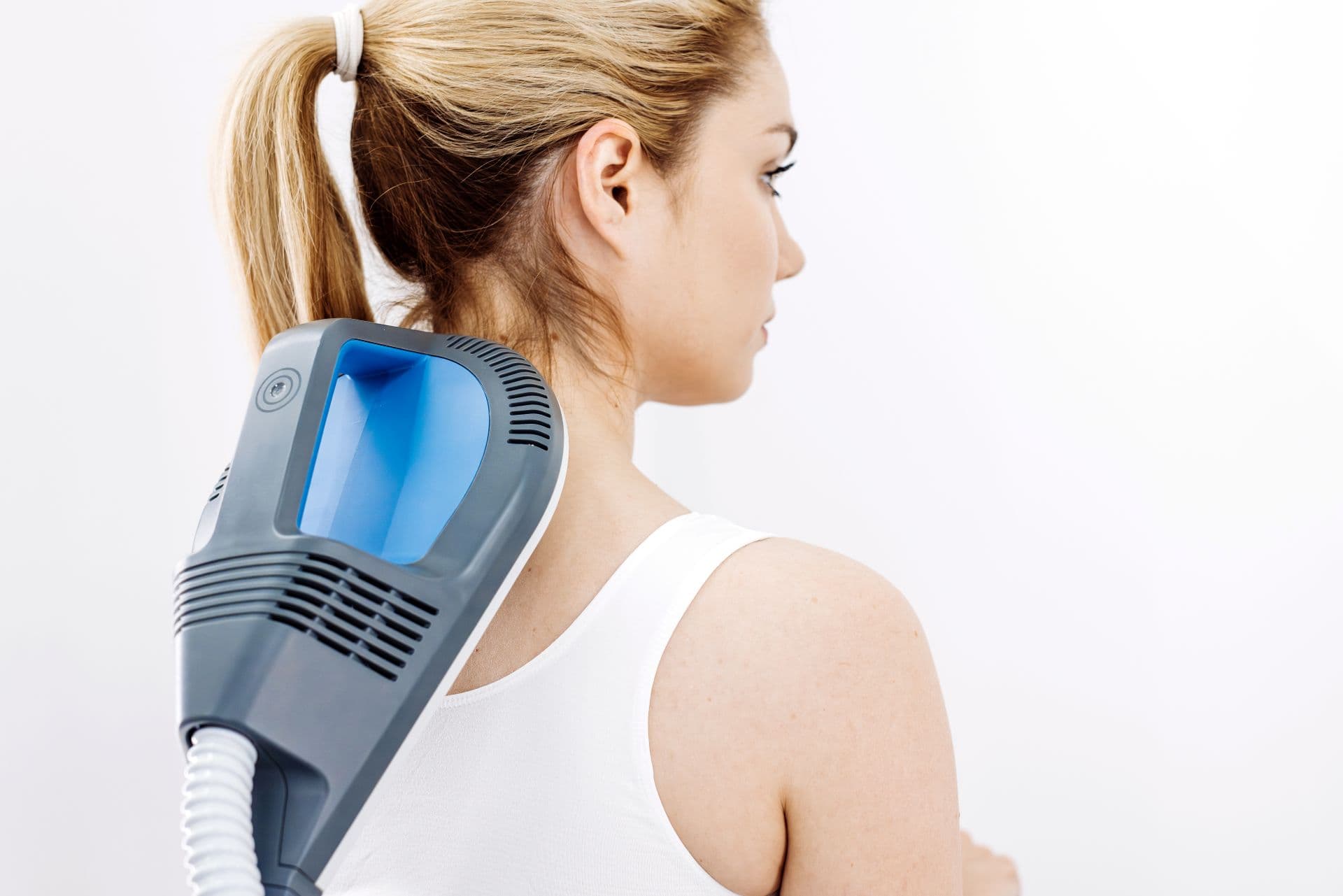
What Is Bone Growth Stimulation?
TreatmentsPrescription bone-growth stimulators use PEMF, combined fields, capacitive coupling, or low-intensity ultrasound for specific nonunion, fracture, or spinal-fusion indications. They are not general wellness devices.
Also known as:
What Is Electromagnetic Therapy?
TreatmentsElectromagnetic therapy includes time-varying magnetic or radiofrequency fields used by indication-specific devices. PEMF, bone stimulators, diathermy, and TMS differ fundamentally from static magnets and electrical stimulation.
Also known as:
What Is Shortwave Diathermy?
TreatmentsShortwave diathermy heats tissue with radiofrequency electromagnetic energy. It is contraindicated with implanted electronics, many metals, pregnancy, and impaired sensation.
Also known as:
What Is PEMF Therapy?
TreatmentsPEMF devices use time-varying magnetic fields to induce small electrical fields in tissue. Prescription bone-growth stimulators have specific FDA-approved indications; wellness mats and broad recovery claims are not equivalent.
Also known as:
Functional Medicine
1 guide

What Is Functional Medicine?
TreatmentsPersonalized, systems-based approach to root causes of disease.
Also known as:
Health Coaching
5 guides
Image Coming Soon
What Is Group Health Coaching?
TreatmentsFacilitated behavior-change coaching in a small group, offering peer support and often lower cost, with less privacy than one-to-one coaching.
Also known as:
Image Coming Soon
What Is Chronic Condition Self-Management Coaching?
TreatmentsCoaching that supports day-to-day self-management of a diagnosed chronic condition alongside licensed clinical care—not as a replacement for it.
Also known as:
Image Coming Soon
What Is Digital Health Coaching?
TreatmentsRemote health coaching by video, phone, messaging, or an app, with human support and privacy limits—not a substitute for licensed medical care.
Also known as:
Image Coming Soon
What Is Behavior Change Health Coaching?
TreatmentsOne-to-one health coaching that turns clinician recommendations into daily habits using goals, problem-solving, and accountability—not diagnosis or prescribing.
Also known as:

What Is Health Coaching?
TreatmentsPersonalized guidance on lifestyle, nutrition, exercise, sleep, and recovery programs.
Also known as:
Heat Therapy
9 guides

What Is Infrared Sauna?
TreatmentsA cabin or blanket that uses infrared emitters to heat the body at lower air temperatures than a Finnish sauna. Marketed for recovery, relaxation, and “detox.” Evidence is thinner than for traditional sauna; overheating and unsupervised blankets are the main safety issues.
Also known as:
What Is Heat Therapy?
TreatmentsStructured whole-body heating—traditional sauna, infrared, steam, or contrast protocols—used as a short hormetic stress for circulation, recovery, and cardiovascular conditioning. Elective and typically cash-pay in longevity clinics.
Also known as:
Heat Therapy for Recovery and Performance
TreatmentsSauna, infrared, or contrast used around training: perceived recovery, plasma-volume expansion, and heat acclimation. Not a substitute for sleep, protein, or periodization. Cold immediately after lifting can work against hypertrophy.
Also known as:
Heat Therapy for Heart Health and Longevity
TreatmentsThe Finnish sauna evidence story: frequent hot-dry sauna is associated with lower cardiovascular and all-cause mortality in observational cohorts, and passive heating can improve vascular function in small trials. Not a replacement for blood-pressure treatment, statins, or exercise.
Also known as:
Heat Therapy for Sleep and Stress
TreatmentsEvening heat (sauna, steam, or a hot bath) used to downshift and, in some research, to help sleep via a later drop in core temperature. Not a treatment for insomnia, anxiety disorders, or depression. Timing and overheating matter.
Also known as:
Sauna Types and Temperatures Explained
TreatmentsA practical map of Finnish/traditional, infrared, steam/hammam, and blankets: typical temperatures, humidity, session length, and which research applies to which room. Use this to read a clinic menu without mixing devices.
Also known as:
What Is Steam Therapy?
TreatmentsWet heat in a steam room or hammam: lower air temperature than a Finnish sauna, near-100% humidity. Used for relaxation and as part of spa or contrast circuits. Not a medical respiratory treatment, and not interchangeable with dry sauna research.
Also known as:
What Is Contrast Therapy?
TreatmentsAlternating heat (sauna, steam, or hot bath) with cold (plunge, shower, or ice bath). Popular for recovery and “nervous system” branding. Evidence for performance is mixed; the cardiovascular swing is real and not appropriate for everyone.
Also known as:
What Is Sauna Therapy?
TreatmentsSauna and heat therapy services.
Also known as:
Hormone Replacement Therapy
9 guides

TRT for Low Energy and Sexual Function
TreatmentsTestosterone for men whose fatigue and low libido come with confirmed hypogonadism. It will not fix sleep apnea, depression, or a normal testosterone. Hematocrit, PSA as indicated, and fertility plans are part of the deal.
Also known as:
HRT for Menopause
TreatmentsMenopausal hormone therapy for hot flashes, night sweats, sleep disruption, and genitourinary symptoms. Best evidence is for bothersome symptoms, especially when started nearer to menopause. Not a default anti-aging prescription.
Also known as:
What Is Testosterone Replacement Therapy (TRT)?
TreatmentsPrescription testosterone for men with confirmed hypogonadism. Injections, gels, and pellets are common in longevity clinics. It suppresses sperm production, can raise hematocrit, and is not a wellness tonic for a normal testosterone level.
Also known as:
What Is Estrogen Therapy?
TreatmentsEstradiol (or other estrogen) for menopausal symptoms, genitourinary syndrome, and selected bone indications. If the uterus is present, a progestogen is required for endometrial protection. Transdermal routes are often preferred over oral conjugated estrogen.
Also known as:
HRT Routes and Doses Explained
TreatmentsA map of how sex hormones are actually delivered: patch, gel, oral, vaginal, injection, and pellet. Route changes clotting risk, convenience, and how fast you can stop—often more than the word bioidentical does.
Also known as:
What Are Hormone Pellets?
TreatmentsSmall subcutaneous implants of testosterone and/or estradiol, usually compounded, inserted in the hip or buttock every few months. Convenient and hard to reverse if levels run high. Not first-line in major society guidelines.
Also known as:
What Is Hormone Replacement Therapy?
TreatmentsMedical replacement of sex hormones—chiefly estradiol, progesterone, and testosterone—when deficiency causes symptoms or disease risk. Includes FDA-approved products and, in some clinics, compounded bioidenticals. Not a longevity drug and not the same as thyroid or peptide protocols.
Also known as:
What Is Progesterone Therapy?
TreatmentsMicronized progesterone (and, separately, synthetic progestins) used with estrogen to protect the endometrium, and sometimes for sleep. Prometrium-type progesterone is not the same molecule as medroxyprogesterone acetate used in WHI.
Also known as:
What Is Bioidentical Hormone Replacement Therapy?
TreatmentsCustomized use of bioidentical hormones (e.g., estrogen, progesterone, testosterone, DHEA) compounded or FDA-approved to address symptoms of hormone decline, such as menopause, andropause, or adrenal insufficiency. Delivered via creams, gels, troches, injections, or pellets, under medical supervision.
Also known as:
IV Therapy
11 guides

Metabolic and Weight-Loss IV Drips
TreatmentsIV or injection protocols marketed for metabolism and fat loss—often a Metabolic Boost IV, MIC (methionine, inositol, choline) plus L-carnitine, or a Weight Loss IV. These are elective nutrient drips, not FDA-approved obesity drugs. Evidence for meaningful fat loss is limited; they do not replace nutrition, activity, o...
Also known as:
IV Vitamins and Ingredients Explained
TreatmentsA field guide to common IV add-ins: B-complex (B1, B2, B3, B5, B6, B9, B12), biotin, zinc, lysine, and taurine. These are cofactors and amino acids, not a single protocol. Doses, compatibility, and lab interference (especially biotin) matter more than the menu name.
IV Therapy for Energy and Performance
TreatmentsDrips marketed as Athletic IV, Performance IV, Energy & Performance IV, or Brain Boost IV—typically B vitamins, amino acids, and fluids, sometimes stacked with NAD+. Useful as elective nutrient delivery around training or travel; not a proven ergogenic drug or nootropic, and athletes should check anti-doping rules.
Also known as:
IV Therapy for Recovery and Hydration
TreatmentsMenu drips sold as Recovery IV, Cold & Flu IV, Hangover IV, or Immunity IV—usually saline plus electrolytes and a vitamin blend. Strongest use is replacing volume when you cannot drink. Immunity and hangover branding outpace evidence; these are not antivirals, vaccines, or treatment for alcohol poisoning.
Also known as:
Beauty and Skin IV Drips Explained
TreatmentsClinic menus for glow, detox, liver-support, and antioxidant IVs—often glutathione, vitamin C, and biotin in saline. Marketed for skin brightness and “toxin” clearance. Evidence is strongest for treating deficiency or oxidative-stress adjuncts; skin-lightening and liver-flush claims are not established, and some uses h...
Also known as:
What Is High-Dose Vitamin C IV Therapy?
TreatmentsIntravenous ascorbic acid given at pharmacologic doses (typically 10–100+ grams) to reach plasma levels oral vitamin C cannot. Used in longevity and integrative clinics for immune support, recovery, and as an investigational cancer adjunct. Requires G6PD and renal screening; it is not FDA-approved as a cancer treatment...
Also known as:
What Is Glutathione IV Therapy?
TreatmentsIntravenous glutathione (GSH)—the body’s primary intracellular antioxidant—given as a short push or infusion, often after a nutrient drip. Marketed for redox support, recovery, liver “detox,” and skin appearance. Evidence is indication-specific (stronger as a studied oncology adjunct in some settings) and weak for gene...
Also known as:
What Is a Myers’ Cocktail IV?
TreatmentsA customized intravenous micronutrient infusion originating with Baltimore physician John Myers, M.D., and later described in the literature by Alan Gaby, M.D. Typical components include magnesium, calcium, B-complex vitamins, and vitamin C in sterile fluid. Used electively for fatigue, migraine, fibromyalgia, and reco...
Also known as:
What Is Hydration IV Therapy?
TreatmentsIntravenous infusion of isotonic fluids—and, when indicated, electrolytes—to restore plasma volume and correct dehydration. Used for volume depletion, heat or travel stress, athletic recovery, and peri-procedure support. Evidence is strongest for true fluid deficits; elective “hangover drips” are adjuncts, not a substi...
Also known as:
What Is IV Therapy?
TreatmentsIntravenous therapy delivering fluids, electrolytes, vitamins/minerals, antioxidants (e.g., glutathione), and specialized agents (e.g., NAD+) directly into the bloodstream for rapid, titratable bioavailability. Used for rehydration, targeted micronutrient repletion, and adjunctive protocols. Requires sterile technique,...
Also known as:
What Is NAD+ IV Therapy?
TreatmentsIntravenous infusion of nicotinamide adenine dinucleotide (NAD+) delivered in saline to temporarily raise circulating NAD+ levels; marketed for energy, focus, and recovery. Evidence for specific clinical outcomes remains limited in humans; safety appears acceptable in short-term studies when administered properly.
Also known as:
Lifestyle Medicine
10 guides
Image Coming Soon
What Is a Lifestyle Medicine Program?
TreatmentsA clinician-led program using nutrition, activity, sleep, stress, social connection, and substance-risk changes to prevent or help manage chronic disease.
Also known as:
Image Coming Soon
What Is Alcohol Risk Reduction Counseling?
TreatmentsNonjudgmental screening, brief intervention, and referral (SBIRT) to reduce alcohol-related harm or connect you with specialty treatment when needed.
Also known as:
Image Coming Soon
What Is a Stress Management Program?
TreatmentsSkills-based support for stress load and coping, with referral to licensed mental-health treatment when symptoms exceed the program’s scope.
Also known as:
Image Coming Soon
What Is a Social Connection and Well-Being Program?
TreatmentsStructured assessment and support for loneliness, belonging, and community participation, with referral when mental-health treatment is needed.
Also known as:
Image Coming Soon
What Is a Sleep and Circadian Health Program?
TreatmentsA structured program for sleep timing, opportunity, and light habits, with referral for insomnia, obstructive sleep apnea, and other sleep disorders.
Also known as:
Image Coming Soon
What Is Exercise Prescription and Physical Activity Counseling?
TreatmentsClinician-informed planning for aerobic, resistance, balance, and less sitting time, with referral when symptoms or safety limits require specialized care.
Also known as:
Image Coming Soon
What Is Tobacco Cessation Counseling?
TreatmentsEvidence-based counseling to quit tobacco, with referral or prescribing support for FDA-approved cessation medications when they are appropriate.
Also known as:

What Is Whole-Body Vibration (WBV)?
TreatmentsPlatform-based vibration training to stimulate neuromuscular activation and circulation.
Also known as:

What Is Float Therapy (Flotation-REST)?
TreatmentsSensory-deprivation float tank sessions to promote relaxation and recovery.
Also known as:
What Is an Anti-Aging Clinic?
TreatmentsA longevity-labeled clinic visit focused on evidence-based risk reduction and licensed preventive care—not claims that aging can be reversed.
Also known as:
Light Therapy
5 guides

Light Therapy Wavelengths and Doses Explained
TreatmentsHow to read a PBM or light-box spec: nanometers, irradiance (mW/cm²), energy (J/cm²), distance, and time. LED vs laser, biphasic dosing, and why a pretty bed can still be underdosed.
Also known as:
What Is Near-Infrared Light Therapy?
TreatmentsPhotobiomodulation using near-infrared wavelengths (often ~800–850 nm) that penetrate deeper than visible red. Still a light-signaling dose, not an infrared sauna. Common on mixed LED panels and “NIR” helmets.
Also known as:
What Is Light Therapy?
TreatmentsClinic “light therapy” is usually one of three jobs: photobiomodulation (red/NIR LED or laser), bright-light boxes for circadian/SAD, or—misnamed—infrared heat. This parent is the map. Not tanning, not UV, not an ablative cosmetic laser.
Also known as:
What Is Bright Light Therapy?
TreatmentsA 10,000-lux light box used in the morning for seasonal affective disorder and circadian timing. This is about lux and clock time, not red/NIR photobiomodulation. UV should be filtered. Bipolar mania is a stop sign.
Also known as:
What Is Red Light Therapy?
TreatmentsPhotobiomodulation uses low-level red and near-infrared light to influence cellular activity (e.g., mitochondrial cytochrome c oxidase), aiming to reduce inflammation, support recovery, and improve skin quality. Delivered via LED panels, laser diodes, or targeted devices.
Also known as:
Lymphatic Therapy
5 guides

What Is Lymphatic Therapy?
TreatmentsTechniques that move lymph and interstitial fluid: manual lymphatic drainage, pneumatic compression, and—when medically indicated—complete decongestive therapy. Not a detox massage, not a substitute for treating DVT or infection.
Also known as:
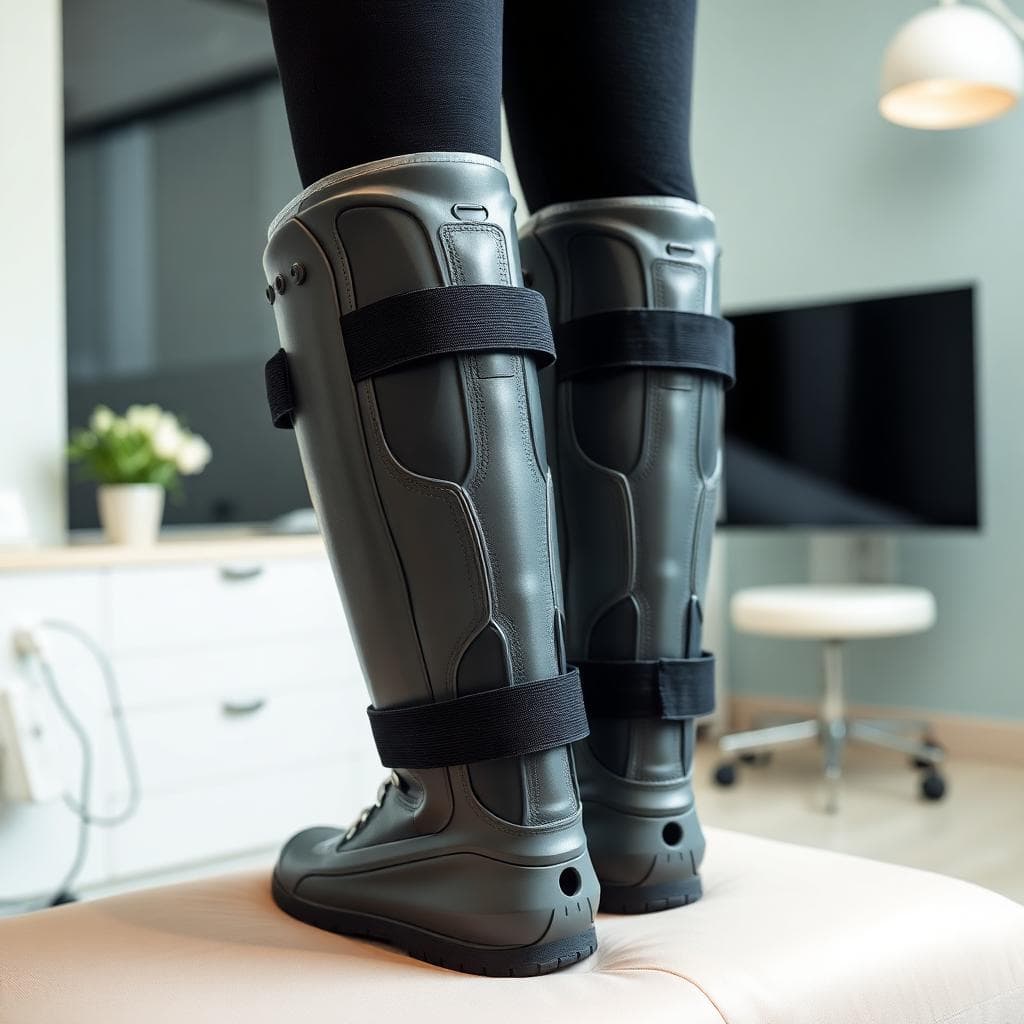
Lymphatic Therapy Types Explained
TreatmentsA map of MLD, pneumatic compression, CDT, garments, and spa ‘detox drainage.’ Use this to read a clinic menu without mixing NormaTec, Vodder, and lymphedema bandaging.
Also known as:
What Is Complete Decongestive Therapy (CDT)?
TreatmentsThe standard medical program for lymphedema: MLD, compression bandaging/garments, skin care, and exercise, in an intensive phase then maintenance. Not a single spa drainage session.
Also known as:
What Is Lymphatic Compression Therapy?
TreatmentsExternal pneumatic compression to promote lymphatic and venous return.
Also known as:
What Is Manual Lymphatic Drainage?
TreatmentsHands-on lymphatic massage techniques that encourage lymph flow and reduce swelling.
Also known as:
Naturopathic Medicine
6 guides
Image Coming Soon
What Is a Homeopathy Consultation?
TreatmentsA consultation that discloses homeopathy’s lack of reliable efficacy evidence, reviews product safety, and prevents delay of proven medical care.
Also known as:
Image Coming Soon
What Is a Naturopathic Initial Consultation?
TreatmentsA first naturopathic visit reviewing history and goals; legal scope, testing, and treatment depend on the provider’s credentials and jurisdiction.
Also known as:
Image Coming Soon
What Is a Supplement Review and Interaction Check?
TreatmentsA structured reconciliation of vitamins, minerals, herbs, and other supplements against medicines, conditions, labs, and your actual treatment goals.
Also known as:
Image Coming Soon
What Is a Botanical Medicine Consultation?
TreatmentsA licensed-care review of herbal products for a stated goal, covering evidence, dose, quality, contraindications, and drug–supplement interactions.
Also known as:
Image Coming Soon
What Is Naturopathic Lifestyle Counseling?
TreatmentsLifestyle counseling within a naturopathic provider’s verified legal scope, coordinated with dietitians, therapists, and other specialists when those services are needed.
Also known as:

What Is Naturopathic Medicine?
TreatmentsJurisdiction-dependent care that may include lifestyle counseling and selected complementary approaches; credentials, legal scope, and evidence vary.
Also known as:
Neurological Optimization
3 guides
Image Coming Soon
What Is Transcranial Magnetic Stimulation (TMS)?
TreatmentsPrescription magnetic pulses for FDA-cleared psychiatric and selected neurologic uses. TMS is not a consumer PEMF mat and is not a cognitive-enhancement gadget.
Also known as:

What Is Neurofeedback?
TreatmentsEEG biofeedback that provides real-time feedback from scalp electrical activity. Evidence is mixed and condition-specific; qEEG does not diagnose ADHD, and benefits should be verified with blinded or functional outcomes.
Also known as:

What Is CES (Cranial Electrotherapy Stimulation)?
TreatmentsLow-current cranial electrical stimulation. In the U.S., insomnia/anxiety devices are Class II with special controls; depression CES remains Class III. Evidence is device- and indication-specific.
Also known as:
Nutrition Therapy
3 guides
What Is Medical Nutrition Therapy (MNT)?
TreatmentsA structured, diagnosis-focused nutrition service delivered by a registered dietitian nutritionist or another qualified clinician. MNT uses assessment, a nutrition diagnosis, intervention, and outcome monitoring.
Also known as:
What Is Nutrition Therapy?
TreatmentsIndividualized food and nutrition counseling based on health history, dietary intake, preferences, medications, and measurable goals. Scope and insurance coverage depend on clinician credentials and diagnosis.
Also known as:

What Is a Gut Health Program?
TreatmentsA symptom- and diagnosis-focused nutrition program for digestive health. It prioritizes red-flag screening and guideline-based testing before restrictive diets, microbiome panels, probiotics, or antimicrobial supplements.
Also known as:
Ozone & Oxygen Therapies
6 guides
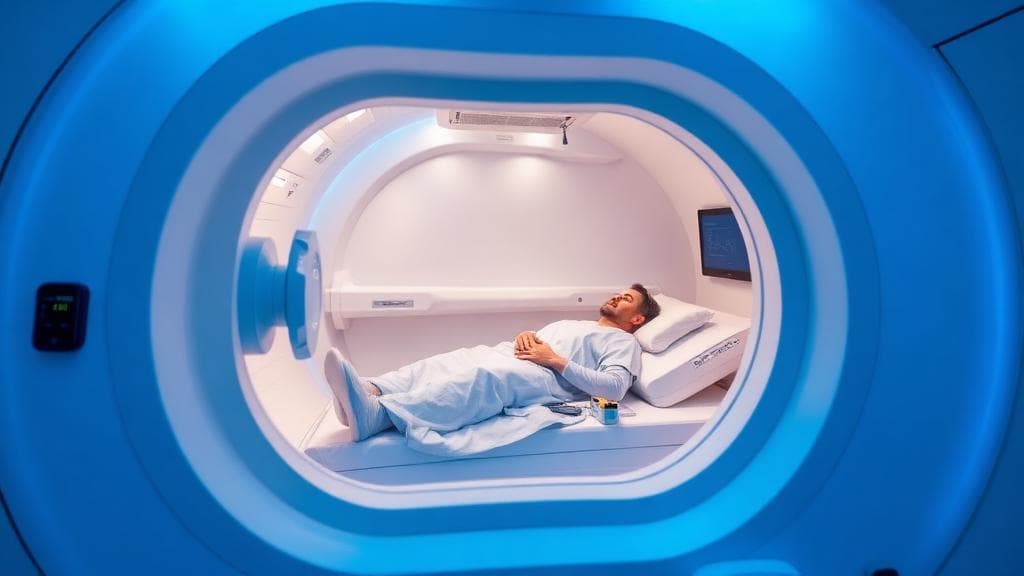
What Is Exercise With Oxygen Therapy (EWOT)?
TreatmentsSupervised exercise while breathing oxygen-enriched gas through a mask or cannula. EWOT is not the same as hyperbaric oxygen therapy, and longevity or performance claims exceed current clinical evidence.
Also known as:
What Is Major Autohemotherapy (MAH)?
TreatmentsA blood-based ozone procedure in which a limited amount of blood is drawn into a sterile container, mixed with a measured oxygen–ozone gas mixture outside the body, then reinfused. It is distinct from EBOO and is not FDA-approved to treat disease.
Also known as:
What Are Ozone & Oxygen Therapies?
TreatmentsA screening-first map of ozone therapy, MAH, EBOO, EWOT, and medical hyperbaric oxygen therapy—including major differences in route, pressure, evidence, regulation, and risk.
Also known as:
What Is EBOO?
TreatmentsAn invasive, continuous extracorporeal blood procedure in which blood is circulated through a circuit for oxygen–ozone exposure and processing before return. Distinct from limited-volume major autohemotherapy, not FDA-approved to treat disease, and typically cash-pay.
Also known as:
What Is Ozone Therapy?
TreatmentsUse of an oxygen–ozone gas mixture by methods such as major autohemotherapy, topical application, or insufflation. Ozone is toxic when inhaled, is not FDA-approved to treat disease in the U.S., and should never be injected directly as gas into a vein.
Also known as:
What Is Hyperbaric Oxygen Therapy (HBOT)?
TreatmentsHBOT involves breathing 100% oxygen in a pressurized chamber, increasing oxygen delivery to tissues. Originally developed for conditions such as decompression sickness, carbon monoxide poisoning, and chronic wounds, it is now also marketed for recovery, wellness, and anti-aging.
Also known as:
Peptide Therapy
1 guide

What Is Peptide Therapy?
Treatments“Peptide therapy” is a marketing umbrella covering approved peptide drugs and unapproved compounded or research compounds. Safety, evidence, legality, dose, and quality must be evaluated for the exact molecule and indication.
Also known as:
Performance Optimization
5 guides
Image Coming Soon
Recovery Integration for Training and Competition
TreatmentsRecovery should serve the next session or race. Sleep, food, and training load usually matter more than devices or infusion packages sold as performance recovery.
Also known as:
Image Coming Soon
Endurance Performance Training and Testing
TreatmentsEndurance training uses lab or field testing to set zones and progression. Heat, iron status, fueling, and injury screening still limit how hard you can train.
Also known as:
Image Coming Soon
What Is Performance Optimization?
TreatmentsPerformance optimization links a defined goal to valid tests and a training plan. Wearables, IVs, and supplements do not replace sleep, food, or medical screening.
Also known as:
Image Coming Soon
Strength and Power Training: Assessment and Programming
TreatmentsStrength and power programs use progressive overload, reliable testing, and enough recovery. Generic charts and max-effort videos are not a prescription.
Also known as:
Image Coming Soon
Altitude and Hypoxic Training: Protocols, Benefits, and Risks
TreatmentsNatural altitude, tents, and hypoxic workouts are different doses. Iron status, sleep, training quality, and altitude-illness rules decide if a protocol is reasonable.
Also known as:
Recovery Therapy
4 guides
Image Coming Soon
What Is Recovery Therapy?
TreatmentsRecovery therapy starts with sleep, load management, and rehabilitation. Compression, float, vibration, and other gadgets are adjuncts, not the plan.
Also known as:
Image Coming Soon
What Are Intermittent Pneumatic Compression Boots?
TreatmentsIPC boots cycle pressure around the legs. Medical devices treat selected clot or swelling problems; athletic recovery benefits are mostly modest and short-term.
Also known as:
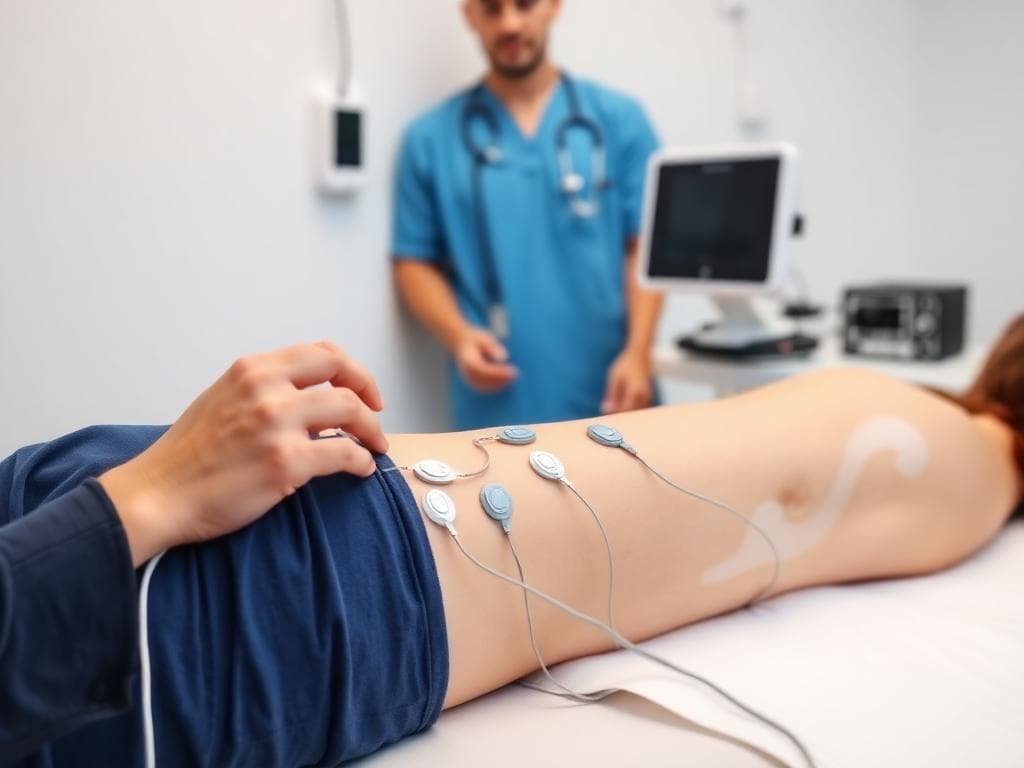
Electrostimulation Therapy: TENS and NMES
TreatmentsTENS may ease some pain; NMES can help recruit muscle during rehab. Both are adjuncts. Pacemakers, broken skin, and the front of the neck are common contraindications.
Also known as:

Osteogenic Loading and OsteoStrong: What the Evidence Shows
TreatmentsOsteoStrong is a branded osteogenic-loading franchise. Evidence is limited versus standard resistance training, and it is not a fracture-treatment substitute.
Also known as:
Regenerative Medicine
9 guides

What Is Prolotherapy?
TreatmentsInjection of an irritant solution—commonly hypertonic dextrose with local anesthetic—around selected joints, tendons, or ligaments. Evidence varies by diagnosis, and it should not be marketed as proven tissue regeneration.
Also known as:
What Is Platelet-Rich Fibrin (PRF) Therapy?
TreatmentsAn autologous blood-derived fibrin preparation made without the standard anticoagulant used in many PRP systems. PRF can form a clot, membrane, gel, or injectable liquid depending on timing and processing; evidence is indication-specific.
Also known as:
What Is Bone Marrow Aspirate Concentrate (BMAC)?
TreatmentsAn autologous point-of-care concentrate made from aspirated bone marrow and injected for selected musculoskeletal uses. BMAC is a heterogeneous mixture—not purified or cultured stem cells—and no stem-cell product is FDA-approved for orthopedic conditions.
Also known as:
What Is Regenerative Medicine?
TreatmentsAn umbrella field spanning approved cell and gene therapies, tissue engineering, blood-derived orthobiologics, and investigational products. Evidence, FDA status, manufacturing, and risk must be evaluated for the exact product and indication.
Also known as:

What Is Acoustic Compression Therapy?
TreatmentsA nonstandard marketing term used for some acoustic pressure-wave treatments. Because “ACT” does not define wave type or dose, patients should verify whether the device delivers focused shockwaves, radial pressure waves, or another technology.
Also known as:
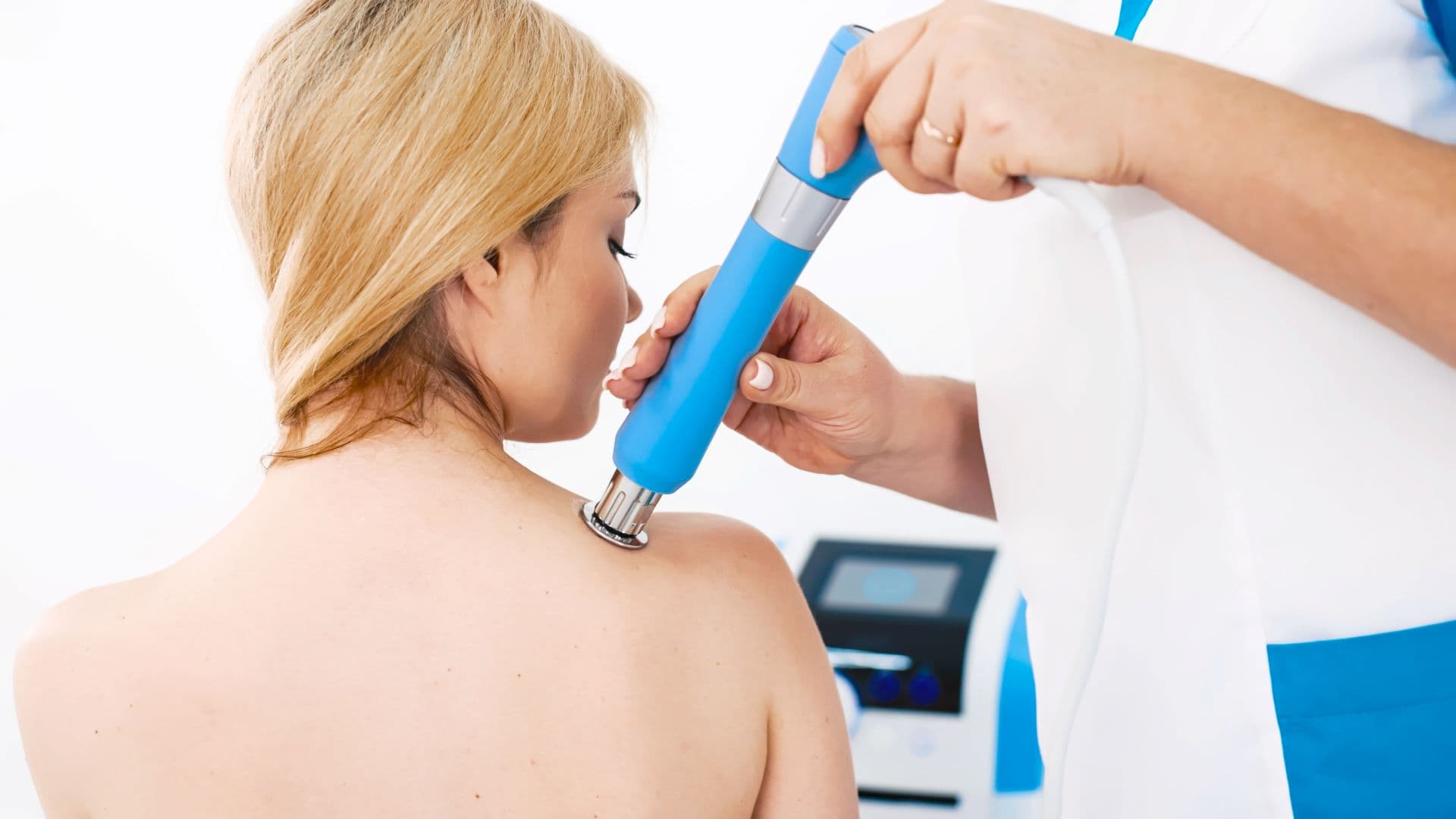
What Is Shockwave Therapy (ESWT)?
TreatmentsNoninvasive acoustic treatment using focused shockwaves or radial pressure waves for selected musculoskeletal conditions. These technologies have different wave physics, depth, dosing, device status, and evidence.
Also known as:

What Is Exosome Therapy?
TreatmentsProducts marketed as exosomes or extracellular vesicles are offered by injection, IV infusion, inhalation, or after skin procedures. FDA states there are currently no FDA-approved exosome products, and serious adverse events have been reported.
Also known as:
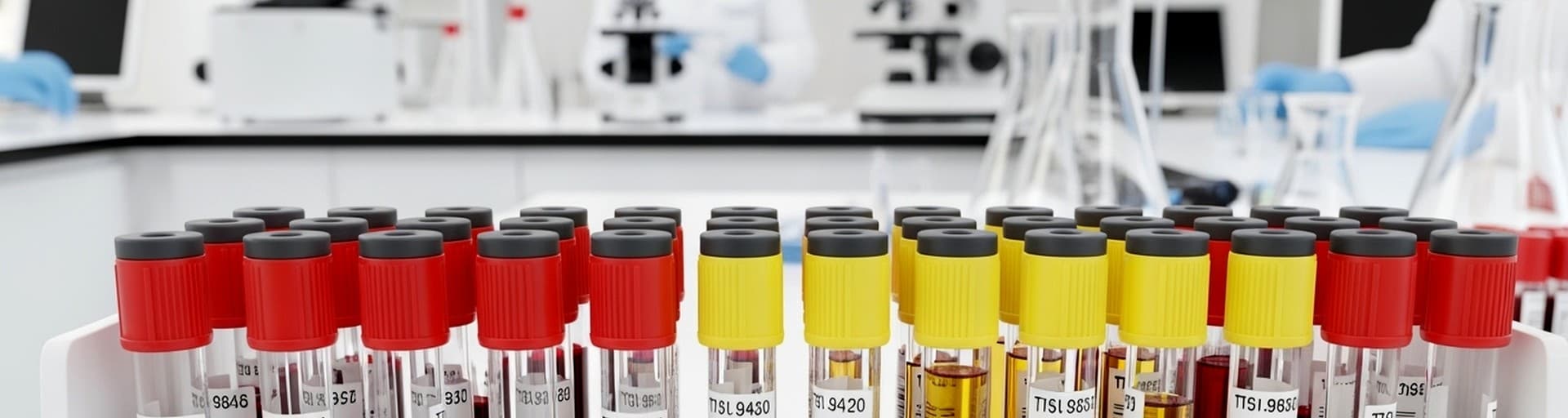
What Are Stem Cell and Cell-Based Therapies?
TreatmentsCell-based products vary by source, processing, dose, and intended use. In the U.S., FDA-approved stem-cell products are blood-forming cells from cord blood for specified hematologic disorders—not orthopedic, neurologic, cardiac, or anti-aging injections.
Also known as:
What Is Platelet-Rich Plasma (PRP) Therapy?
TreatmentsAn autologous platelet-containing plasma preparation injected or applied for selected musculoskeletal, hair, dental, or surgical uses. PRP protocols vary substantially, and evidence must match the exact indication and product.
Also known as:
Sexual Wellness
5 guides
Image Coming Soon
What Is an Erectile Dysfunction Evaluation?
TreatmentsAn ED evaluation reviews medical, sexual, and psychosocial history and screens cardiovascular risk. AUA guidance treats ED as a possible marker of vascular disease.
Also known as:
Image Coming Soon
Pelvic Floor Physical Therapy for Sexual Health
TreatmentsLicensed pelvic-floor physical therapy can address muscle-related sexual pain after a clinician exam. Internal treatment is optional and requires ongoing consent.
Also known as:
Image Coming Soon
What Is Sexual Counseling and Sex Therapy?
TreatmentsLicensed sex therapy is talk-based care for distress, pain, desire, and relationship factors. Coaching is not psychotherapy and is not a substitute for a licensed therapist.
Also known as:
Image Coming Soon
Genitourinary Syndrome of Menopause Care
TreatmentsGSM care starts with moisturizers and lubricants, then local hormones when needed. Energy devices have weaker evidence and are not first-line treatment.
Also known as:

What Is Evidence-Based Sexual Wellness Care?
TreatmentsEvidence-based sexual wellness care matches licensed medical, pelvic, and counseling options to the symptom. Hormones and devices are not automatic first steps.
Also known as:
Therapeutic Plasma Exchange
1 guide

What Is Therapeutic Plasma Exchange (TPE)?
TreatmentsAn extracorporeal medical procedure that removes a large volume of plasma and replaces it with albumin, donor plasma, or another prescribed fluid. TPE has disease-specific guideline roles but is not an established anti-aging or detox treatment.
Also known as:
Vitamin Shots
6 guides
Vitamin Shot Types and Ingredients Explained
TreatmentsA field guide to B12, B-complex, biotin, vitamin D, MIC, L-carnitine, and glutathione injections—what each ingredient is, which claims are supported, and which lab or safety issue matters.
Also known as:
What Are Vitamin B12 Injections?
TreatmentsIntramuscular vitamin B12 for confirmed deficiency, pernicious anemia, or malabsorption. Cyanocobalamin and hydroxocobalamin have established use; methylcobalamin is common in compounded clinics. High-dose oral B12 is effective for many patients.
Also known as:
What Are Glutathione Injections?
TreatmentsIntramuscular or subcutaneous glutathione marketed for antioxidant support, detox, skin brightening, and recovery. Glutathione is biologically important, but routine injectable wellness use has limited evidence and compounded-product quality matters.
Also known as:
What Are Lipotropic (MIC) Injections?
TreatmentsCompounded injections containing methionine, inositol, and choline, often with B12 or L-carnitine. Marketed as fat-burning or metabolic shots. These nutrients have biologic roles, but evidence for meaningful weight loss from MIC injections is limited.
Also known as:
What Are Vitamin Shots?
TreatmentsIntramuscular or subcutaneous injections of nutrients such as B12, vitamin D, B-complex, MIC/lipotropic blends, L-carnitine, or glutathione. Useful when a deficiency or absorption problem supports the route; wellness claims often exceed evidence.
Also known as:
What Are Vitamin D Injections?
TreatmentsHigh-dose intramuscular vitamin D used selectively for deficiency when oral therapy is unsuitable, absorption is impaired, or adherence is difficult. Oral vitamin D is first-line for most people. Excess injectable dosing can cause prolonged hypercalcemia.
Also known as:
Weight Management
6 guides
Image Coming Soon
Bariatric Surgery Referral and Coordination
TreatmentsCoordinates metabolic and bariatric surgery referral: eligibility, procedure tradeoffs, insurance steps, and lifelong nutrition and medical follow-up.
Also known as:
Image Coming Soon
GLP-1 and Other Anti-Obesity Medications
TreatmentsGLP-1 and other anti-obesity drugs need an FDA-approved product, monitoring, and a protein-and-strength plan. Compounded copies are not the same.
Also known as:
Image Coming Soon
What Is Evidence-Based Weight Management?
TreatmentsEvidence-based weight management treats obesity as chronic disease: nutrition, activity, behavior, approved medicines, and surgery referral matched to health risk.
Also known as:
Image Coming Soon
Body Composition and Metabolic Assessment
TreatmentsDXA, BIA, and resting metabolic rate answer different questions. Use them when the result changes care, and know each method’s error and limits.
Also known as:
Image Coming Soon
Medical Nutrition and Behavioral Weight Programs
TreatmentsIntensive nutrition and behavior programs use repeated visits, self-monitoring, activity, and relapse planning—not a one-week meal plan or guaranteed number.
Also known as:

What Is a Weight Optimization Program?
TreatmentsA weight optimization program targets health and function—glucose, blood pressure, mobility, sleep—not cosmetic size or a promised clothing size.
Also known as:
 Your Privacy Choices