What this means
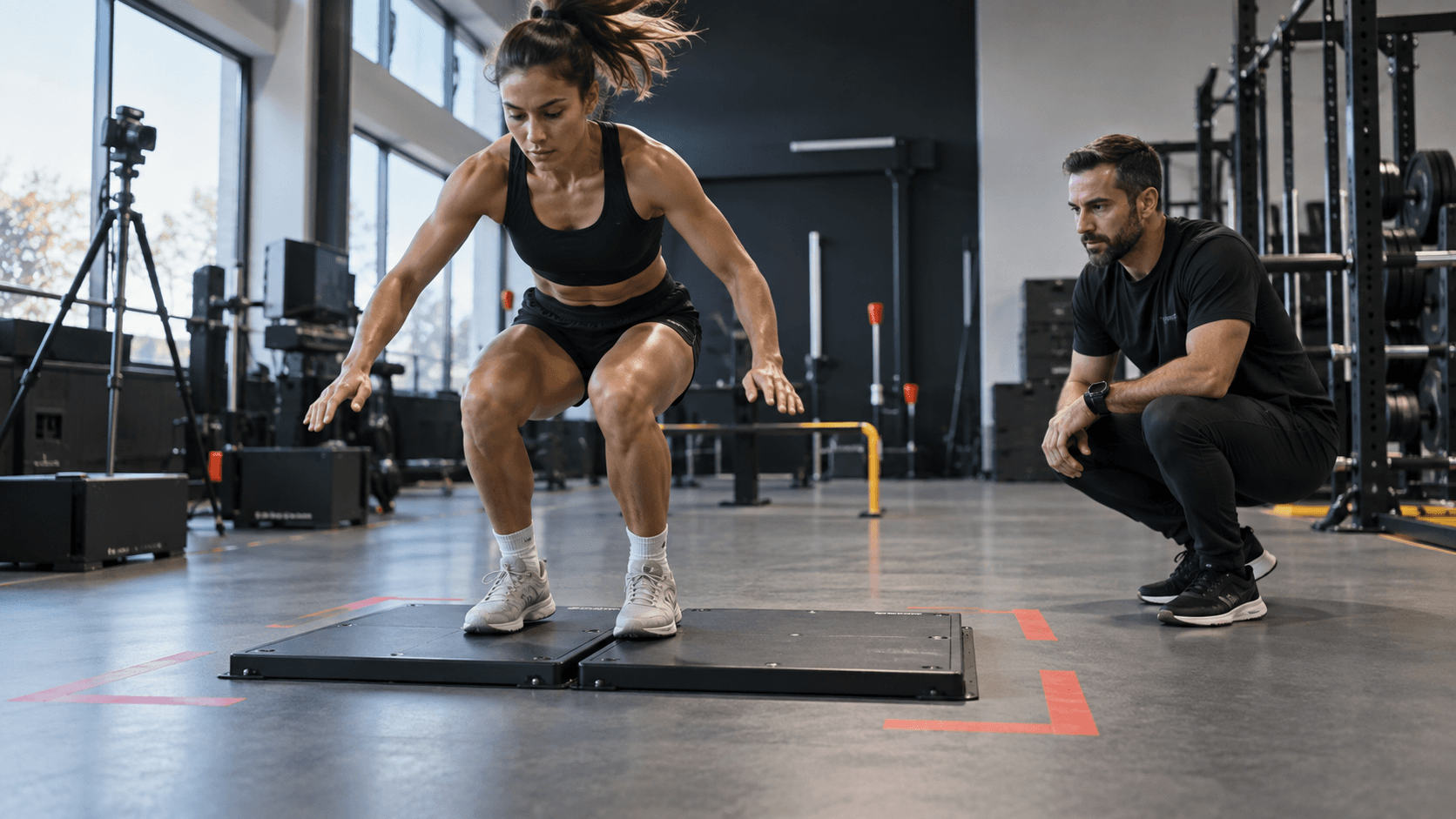
Performance assessment is any test used to describe current capacity: a VO2 or submaximal aerobic test, a strength or power measure, a movement or balance screen, or a field test such as a timed walk or run. Programming is the written plan that uses those results to set load, exercises, and rest. Assessment without programming is a souvenir.
Wearable vanity metrics are scores that look precise and do not change decisions. A readiness number, a biological-age ring, or a single HRV snapshot can be interesting. They are not a substitute for minutes of activity, sets you completed, or a clinician’s evaluation of symptoms. CDC and AHA still describe activity in time and intensity you can name.
Useful assessment answers a question. Examples include which zones to use for the next endurance block, whether a squat pattern is limited by pain that needs physical therapy, or whether a masters athlete needs medical clearance before a maximal test. If the clinic cannot state the question, the test is inventory.
Assessment is not diagnosis of unexplained chest pain, syncope, or a new neurologic deficit. Those belong in licensed medical care. A treadmill number does not make a red-flag symptom safe.
What the evidence shows
Exercise testing has a long clinical and performance history when protocols, contraindications, and supervision match the person. ACSM resources treat testing as a way to estimate capacity and guide prescription. The value is in the prescription that follows, not in a percentile compared with strangers.
Strength and movement screens help when they identify a limitation that changes exercise selection or triggers referral. They do not reliably predict every future injury, and they should not be sold as a guarantee. A painful test is data for a therapist or physician, not a dare to repeat it loaded.
Public-health evidence for health still starts with regular aerobic and muscle-strengthening activity. CDC adult guidelines and AHA recommendations describe weekly minutes and two or more days of strength work. NIA pages on exercise for older adults emphasize balance and strength that support daily function. Those doses can be programmed without a luxury lab.
Wearables can improve awareness of inactivity or short sleep. They have not earned a role as stand-alone medical devices for diagnosing overtraining or cardiac disease. A dashboard that disagrees with how you feel is a prompt to look at load and symptoms, not an automatic order for peptides or IVs.
Common myths
One myth is that a higher VO2 or a younger biological-age score is the goal of care. Capacity can be a useful marker. It is not a diagnosis, and it does not replace blood-pressure treatment, tobacco cessation, or sleep. Chasing a number while ignoring symptoms is the opposite of programming.
Another myth is that more testing means a smarter plan. Repeating an expensive panel every month without a decision rule mainly funds the lab. Re-test when the program changes or when a time-limited block ends. Otherwise you are collecting noise.
A third myth is that wearables can clear you for hard training after illness, concussion, or chest symptoms. They cannot. AHA warning-sign pages exist because cardiac events are clinical, not algorithmic. A green recovery badge is not a stress test or a medical note.
A fourth myth is that assessment is only for elite athletes. Submaximal tests and simple function measures can help beginners and older adults when they set a realistic starting dose. The myth to reject is that you need a boutique score before you are allowed to walk.
How clinics use it
Better clinics screen for test risk, explain the protocol, and hand you a program: days, intensities, exercises, and a review date. They will say who supervises a maximal test and what symptoms stop it. They will refer out when pain or cardiac risk appears.
Weaker clinics run a long Saturday of gadgets, print a branded booklet, and sell a membership. The booklet may list dozens of metrics with no weekly plan. If you cannot tell what you will do on Tuesday, the assessment did not become programming.
Some clinics bundle assessment with recovery devices or supplements. That bundle is a sales path. Testing can stand alone. You can take a legitimate result to a coach or physical therapist you already trust. You do not owe the testing room your training calendar.
Ask how data are stored. Body-composition images and GPS files are personal. They should not appear in marketing. If the clinic uses consumer wearables, ask whether anyone licensed reviews alerts or whether you are expected to self-manage every spike.
Practical takeaway
Before you book, write one question the test must answer and the decision it will change. If the clinic cannot work with that sentence, wait. Prefer tests that map onto a four- to eight-week program you will actually follow.
Get medical clearance when risk or symptoms warrant it. Do not maximal-test through chest pain, fainting, or uncontrolled disease. Keep AHA warning signs in mind on test day and on hard training days.
Use public-health minima as a sanity check. If your expensive report does not increase completed activity, strength work, or safer return from injury, it failed. CDC, AHA, ACSM, and NIA framing still rewards consistent dose over ornamental metrics.
Reassess on a schedule tied to the program, not to a sales calendar. Keep the measures that changed decisions. Drop vanity scores. A performance clinic earns its fee when assessment becomes a plan, not when the dashboard looks sophisticated.
Frequently Asked Questions
References
ACSM: Physical Activity Guidelines Resources
https://www.acsm.org/education-resources/trending-topics-resources/physical-activity-guidelinesCDC: Adult Physical Activity Guidelines
https://www.cdc.gov/physical-activity-basics/guidelines/adults.htmlAHA: Recommendations for Physical Activity in Adults
https://www.heart.org/en/healthy-living/fitness/fitness-basics/aha-recs-for-physical-activity-in-adultsNIA: Exercise and Physical Activity
https://www.nia.nih.gov/health/exercise-and-physical-activityAHA: Warning Signs of a Heart Attack
https://www.heart.org/en/health-topics/heart-attack/warning-signs-of-a-heart-attack Your Privacy Choices