What Is Lymphatic Compression Therapy?
External pneumatic compression to promote lymphatic and venous return.
External pneumatic compression to promote lymphatic and venous return.
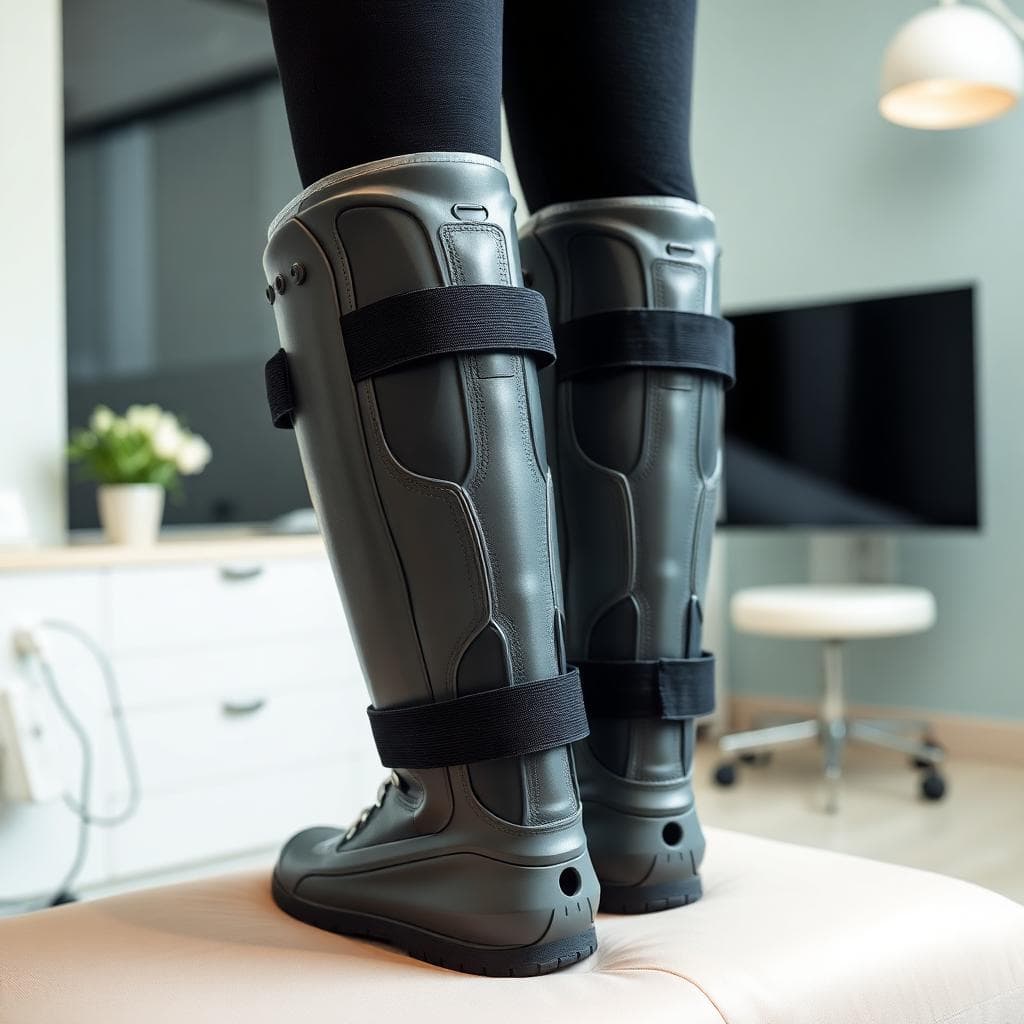
Lymphatic Compression Therapy uses external pneumatic compression (EPC) sleeves or boots that inflate and deflate in programmed sequences to promote lymphatic and venous return. By applying graded, peristaltic pressure to the limbs (and sometimes the hips), EPC helps mobilize interstitial fluid, reduce limb heaviness and transient swelling, and support recovery after training or prolonged sitting. Sessions are comfortable, noninvasive, and typically layered onto exercise, hydration, and—when medically indicated—compression garments or manual lymphatic drainage.
How It Works
Segmented chambers inflate distal-to-proximal, creating a pressure gradient that augments lymphatic uptake and venous flow, reduces venous stasis, and temporarily lowers limb volume. In athletes, EPC may decrease perceived soreness and improve readiness via enhanced microcirculation and metabolite clearance; in clinic pathways for lymphedema or venous insufficiency, EPC is used as an adjunct to guideline-based care.
Clinical Positioning
Best used for: (1) wellness/recovery—post-exercise soreness, travel edema, deskbound leg heaviness; (2) clinician-directed programs for lymphedema or chronic venous disease where EPC complements compression garments, exercise, skin care, and manual techniques. It is not a stand-alone treatment for diagnosed medical conditions.
Arrive hydrated and in loose clothing that allows access to the legs/arms/hips. Empty bladder beforehand. Avoid applying heavy lotions on treatment areas to ensure sleeve grip. Inform staff of any new calf pain, shortness of breath, fever, or skin infection.
No downtime. Most clients feel lighter limbs immediately after. If mild indentation marks appear from the sleeves, they typically fade within minutes.
Generally well tolerated. Possible effects include transient skin indentation, warmth, or mild tingling. <strong>Do not use</strong> over acute deep vein thrombosis, suspected DVT, pulmonary edema, decompensated heart failure, severe peripheral arterial disease/critical limb ischemia, active skin infection/cellulitis, open wounds without coverage, or over recent grafts without surgeon clearance. Use caution in neuropathy (reduced sensation), uncontrolled hypertension, or fragile skin; adjust pressures accordingly.
International Society of Lymphology (ISL) Consensus Document: Diagnosis and Treatment of Peripheral Lymphedema (2020).
https://pubmed.ncbi.nlm.nih.gov/33388612/O’Donnell T.F. Jr., et al. The (Society for Vascular Surgery/American Venous Forum) clinical practice guidelines for the management of lymphedema (2022 update/context).
https://doi.org/10.1016/j.jvsv.2022.03.009Cochrane Review: Intermittent pneumatic compression for treating venous leg ulcers (2014).
https://doi.org/10.1002/14651858.CD001899.pub3FDA — Compression Devices for Lymphedema (patient & device overview).
https://www.fda.gov/medical-devices/safety-communications/information-about-lymphedema-pumpsZaleska M., Olszewski W.L. Intermittent pneumatic compression in lymphedema therapy: mechanisms and outcomes (Phlebology, 2014).
https://pubmed.ncbi.nlm.nih.gov/24398235/© 2026 Longevity Clinic Finder. All rights reserved.
Designed by SMBPulse
Adults with leg heaviness or transient swelling after travel or prolonged sitting/standing; athletes seeking recovery support; patients in clinician-managed lymphedema or venous insufficiency programs who need an at-home adjunct and have no contraindications.
Explore nearby clinics, compare profiles, and find providers offering this treatment.
Find Clinics Near You© 2026 Longevity Clinic Finder. All rights reserved.
Designed by SMBPulse
 Your Privacy Choices