What Is Manual Lymphatic Drainage?
Hands-on lymphatic massage techniques that encourage lymph flow and reduce swelling.
Hands-on lymphatic massage techniques that encourage lymph flow and reduce swelling.
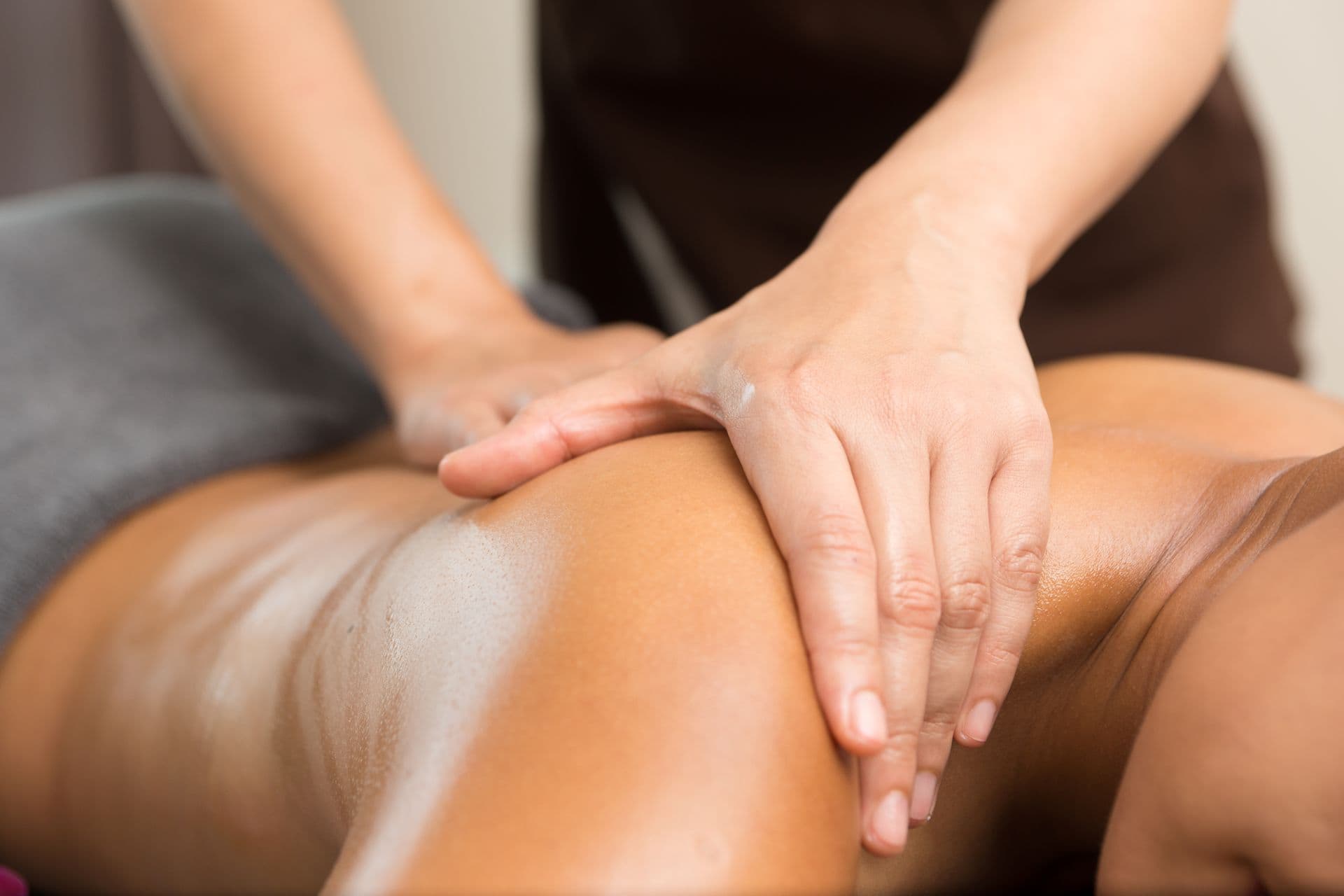
Manual Lymphatic Drainage (MLD) is a specialized soft-tissue technique designed to assist the lymphatic system—the network of vessels and nodes responsible for moving tissue fluid, immune cells, and metabolic waste out of peripheral tissues and back into circulation. Unlike massage modalities that work primarily on muscles, MLD uses gentle, rhythmic, directional strokes at precise pressures to stretch lymph vessel walls, encourage smooth-muscle contraction within those vessels, and guide fluid toward functioning drainage pathways. When performed correctly, MLD is one of the few hands-on interventions that can measurably reduce edema, accelerate clearance of inflammation byproducts, and support immune surveillance—making it particularly valuable after surgery, injury, or in chronic lymphatic insufficiency.
What MLD Actually Is (and Isn't)
MLD is not a relaxation massage with light pressure. It is a clinically oriented protocol that respects lymph-vessel anatomy and physiology. Practitioners trained in Vodder, Leduc, Földi, or Casley-Smith methods learn to match stroke direction to the natural flow of lymph collectors, to clear proximal (trunk) zones before distal (limb) zones, and to adjust pressure based on tissue depth and vessel location. Deep pressure or rapid kneading can collapse delicate lymph capillaries; too little pressure achieves nothing. The hallmark of competent MLD is a rhythm that mimics the 6–10 contractions per minute of healthy lymphangions (the functional segments of lymph vessels) and a systematic sequence that never "pushes" fluid into dead-ends.
How the Lymphatic System Works—Why Technique Matters
Your lymphatic system has no central pump. Fluid moves because of: intrinsic smooth-muscle contractions in lymph vessel walls, external compression from adjacent muscles, respiratory changes in thoracic pressure, and one-way valves that prevent backflow. When any part of this chain is compromised—surgery removes nodes, inflammation clogs vessels, prolonged immobility stops muscle contractions—fluid accumulates. MLD works by manually stretching vessel walls (which triggers smooth-muscle contraction), by gently compressing tissue to move interstitial fluid into initial lymphatics, and by directing that fluid along patent pathways toward functioning nodal basins. This is why sequence matters: clearing the terminus and proximal stations first creates "room" downstream so distal fluid has somewhere to go.
Common Indications and When MLD Shines
MLD is most effective for conditions where lymphatic load exceeds transport capacity:
Post-surgical edema: After lymph-node dissection (breast, melanoma, gynecologic surgery), cosmetic procedures (liposuction, facelift), or orthopedic surgery where local circulation is disrupted.
Lymphedema: Primary (congenital vessel malformation) or secondary (acquired from surgery, radiation, infection, trauma). MLD is a cornerstone of Complete Decongestive Therapy (CDT).
Chronic venous insufficiency: When veins struggle, the lymphatic system compensates until it, too, becomes overwhelmed.
Acute inflammation or injury: Sprains, contusions, post-fracture swelling—MLD can reduce edema and the mechanical "trash" (damaged cells, protein aggregates) that prolongs inflammation.
Migraine and sinus congestion: Facial and cervical MLD sequences may help when congestion involves lymphatic stasis.
Aesthetic applications: Reduction of post-procedure swelling, support for skin texture by improving interstitial fluid quality.
MLD is less useful when swelling is cardiac (heart-failure edema needs medical management first), when acute infection is present at the site (risk of spreading pathogens), or when edema is from acute deep-vein thrombosis or uncontrolled malignancy near the drainage field.
What a Proper MLD Session Looks Like
A trained therapist will:
Assess your history: surgical sites, radiation fields, current medications, signs of infection, cardiac or renal status.
Prepare proximal pathways: Begin at the neck (terminus where lymph re-enters circulation), then trunk quadrants, then the root of the affected limb or region. This "clears the road" so fluid has an exit.
Apply directional strokes: Gentle, skin-level circular or pumping movements that stretch skin in the direction of lymph flow, hold briefly, then release. Pressure is typically 30–40 mmHg—enough to engage superficial lymphatics without collapsing them.
Work distally: Once proximal zones are open, address the limb or affected area in segments, always directing fluid toward the cleared pathways.
Recheck and document: Measure limb circumference or volume, note tissue texture, and adjust the plan for subsequent visits.
Sessions typically last 45–60 minutes. You should feel relaxed but not sedated; the rhythm is methodical, not rushed. Many describe a sense of "lightness" or reduced tension immediately after, though full edema reduction often requires multiple sessions.
MLD as Part of Complete Decongestive Therapy (CDT)
For chronic lymphedema, MLD alone is insufficient. Best outcomes come from CDT, which combines:
MLD to mobilize fluid,
Compression bandaging or garments to prevent re-accumulation,
Remedial exercises to engage muscle pump and breathing mechanics,
Skin care to prevent infection (a risk in protein-rich edematous tissue).
CDT typically has two phases: an intensive reduction phase (daily or near-daily MLD with multi-layer bandaging for 2–4 weeks) and a maintenance phase (less frequent MLD, daily compression garments, ongoing exercise). For post-surgical or acute scenarios, a shorter course of MLD (4–8 sessions) may suffice if combined with appropriate compression and activity modification.
Choosing a Qualified Practitioner
Not all "lymphatic massage" is MLD. Look for therapists who have completed formal training (135+ hours) in a recognized method: Vodder, Leduc, Földi, or Casley-Smith. Certification by the Lymphology Association of North America (LANA) as a CLT (Certified Lymphedema Therapist) indicates competency in full CDT. Red flags include: practitioners who use deep pressure, who skip proximal clearing, who market MLD as a "detox" without understanding contraindications, or who cannot explain the anatomical basis of their sequence.
What to Expect During and After Treatment
During: You will lie comfortably, often with limbs elevated. The therapist's hands move in slow, rhythmic waves. Pressure is gentle—most people can read or doze. You may feel warmth, tingling, or increased urination in the hours after (a sign fluid is moving into circulation).
After: Mild fatigue is common; your body is processing mobilized fluid and metabolic waste. Drink water, avoid alcohol and salty foods that day, and follow any compression or exercise instructions. Swelling may initially worsen if fluid is mobilized faster than it can be cleared—this usually resolves within 24 hours and improves with subsequent sessions. Persistent increase, redness, warmth, or pain signals possible infection or DVT and requires immediate medical attention.
How to Track Progress
Objective measures are essential:
Circumference: Measure limbs at consistent landmarks (e.g., 10 cm above and below the knee) at the same time of day.
Volume: Water displacement or perometry (optoelectronic device) if available.
Tissue texture: Pitting vs non-pitting, skin thickness, presence of fibrosis.
Function: Range of motion, comfort during activity, ability to wear normal clothing or jewelry.
Photograph the area in consistent lighting and angles. Even subtle changes in contour or skin texture can be meaningful.
Common Misconceptions
"Harder pressure works faster." False. Excessive pressure collapses lymph capillaries and can damage valves. MLD efficacy depends on rhythm, direction, and sequence—not force.
"MLD is a detox treatment." Misleading. MLD supports lymphatic function, which does help clear metabolic byproducts, but it is not a cure-all for vague "toxins." The benefit is mechanical and immunological, not mystical.
"I can do this myself with a foam roller or massage gun." No. MLD requires precise hand placement, directional flow, and proximal-to-distal sequencing. Tools that apply random or deep pressure miss the target entirely and can worsen congestion.
"Once swelling is gone, I'm cured." For chronic lymphedema, there is no cure—only management. Maintenance compression and self-MLD are often lifelong.
Contraindications and Cautions
Do not proceed with MLD if you have:
Acute infection (cellulitis, lymphangitis) at or near the treatment site,
Acute deep-vein thrombosis,
Decompensated heart failure (fluid overload can stress the heart),
Acute renal failure,
Active malignancy in the drainage field (risk of spreading cancer cells is debated; many oncologists clear MLD after treatment is complete, but discuss first).
Use caution with: uncontrolled hypertension, asthma (thoracic MLD can trigger bronchospasm in sensitive individuals), hyperthyroidism, pregnancy (abdominal MLD is contraindicated in first trimester).
Self-Care and Home Techniques
After formal training, many patients learn simplified self-MLD sequences for maintenance. Key principles:
Always clear neck and trunk first.
Use gentle, rhythmic circles—never pull or push hard.
Follow the same directional flow your therapist uses.
Pair with diaphragmatic breathing (deep belly breaths create negative thoracic pressure that draws lymph centrally).
Perform daily if managing chronic lymphedema, or as needed for acute swelling.
Your therapist should provide written instructions or video links specific to your anatomy and condition.
Integration With Other Modalities
MLD complements:
Compression therapy: Garments or bandaging hold MLD gains.
Pneumatic compression devices: Mechanical pumps for home use; not a replacement for MLD but useful adjuncts.
Physical therapy: Exercise and movement re-education improve muscle-pump function.
Nutrition: Adequate protein supports tissue repair; excessive sodium worsens fluid retention. Weight management reduces lymphatic load.
Skin care: Gentle cleansing, moisturizing, and prompt treatment of cuts prevent cellulitis—a major risk in lymphedema.
Timeline and Realistic Expectations
For post-surgical edema, noticeable improvement often occurs within 2–4 sessions if started early. For established lymphedema, the intensive phase of CDT may take weeks to achieve maximum reduction, and maintenance is ongoing. For acute injuries, MLD can shorten recovery by days to a week. The key is consistency: sporadic sessions without compression or self-care yield minimal lasting benefit.
Cost and Access
MLD sessions typically cost $100–$200 per hour, depending on region and practitioner credentials. Full CDT programs (2–4 weeks intensive) can run $3,000–$6,000. Insurance coverage varies: Medicare and many private insurers cover CDT for diagnosed lymphedema, especially post-cancer treatment, but often require physician referral and documented medical necessity. Standalone "wellness" MLD for minor swelling or aesthetic goals is usually out-of-pocket.
The Bottom Line
Manual Lymphatic Drainage is a precise, evidence-supported intervention for reducing edema and supporting lymphatic function. It is not a magic cure, nor a vague "detox" spa treatment—it is a clinical skill grounded in anatomy and physiology. When delivered by trained hands, combined with compression and exercise, and supported by good daily habits, MLD can meaningfully improve comfort, function, and quality of life for those living with lymphatic compromise. Success requires patient education, realistic goal-setting, and a commitment to the full care plan—not just the hands-on session.
Wear loose, comfortable clothing; avoid heavy meals or alcohol before session; arrive hydrated; bring any compression garments currently in use.
Most resume normal activity immediately; increased urination and mild fatigue are common for 24 hours. Follow compression and self-care instructions. Report any signs of infection (redness, warmth, fever) immediately.
Risks are minimal with trained practitioners. Possible: temporary fatigue, increased urination, transient worsening of swelling if fluid mobilizes faster than it clears. Contraindicated in acute DVT, acute infection, decompensated heart failure, and active malignancy in drainage field. Improper technique can worsen congestion.
Földi M., Földi E. Földi's Textbook of Lymphology (Urban & Fischer, 2012).
https://www.elsevier.com/books/foldis-textbook-of-lymphology/foldi/978-0-7234-3677-3Lymphology Association of North America (LANA). Lymphedema Treatment Standards.
https://www.clt-lana.org/Devoogdt N., et al. Effect of Manual Lymph Drainage Following Breast Cancer Treatment: Randomised Controlled Trial (BMJ, 2007).
https://doi.org/10.1136/bmj.39339.691019.AEEzzo J., et al. Manual Lymphatic Drainage for Lymphedema Following Breast Cancer Treatment (Cochrane Database Syst Rev, 2015).
https://doi.org/10.1002/14651858.CD003475.pub2International Lymphoedema Framework. Best Practice for the Management of Lymphoedema (2012).
https://www.lympho.org/portfolio/best-practice-for-the-management-of-lymphoedema-2nd-edition/Lasinski B.B., et al. A Systematic Review of the Evidence for Complete Decongestive Therapy in Lymphedema (PM&R, 2012).
© 2026 Longevity Clinic Finder. All rights reserved.
Designed by SMBPulse
Individuals with post-surgical edema, lymphedema (primary or secondary), chronic venous insufficiency, acute injury swelling, or those seeking support for lymphatic function post-cancer treatment. Must be cleared by physician if contraindications present.
Explore nearby clinics, compare profiles, and find providers offering this treatment.
Find Clinics Near You© 2026 Longevity Clinic Finder. All rights reserved.
Designed by SMBPulse
 Your Privacy Choices