What Is Shortwave Diathermy?
Shortwave diathermy heats tissue with radiofrequency electromagnetic energy. It is contraindicated with implanted electronics, many metals, pregnancy, and impaired sensation.
Shortwave diathermy heats tissue with radiofrequency electromagnetic energy. It is contraindicated with implanted electronics, many metals, pregnancy, and impaired sensation.
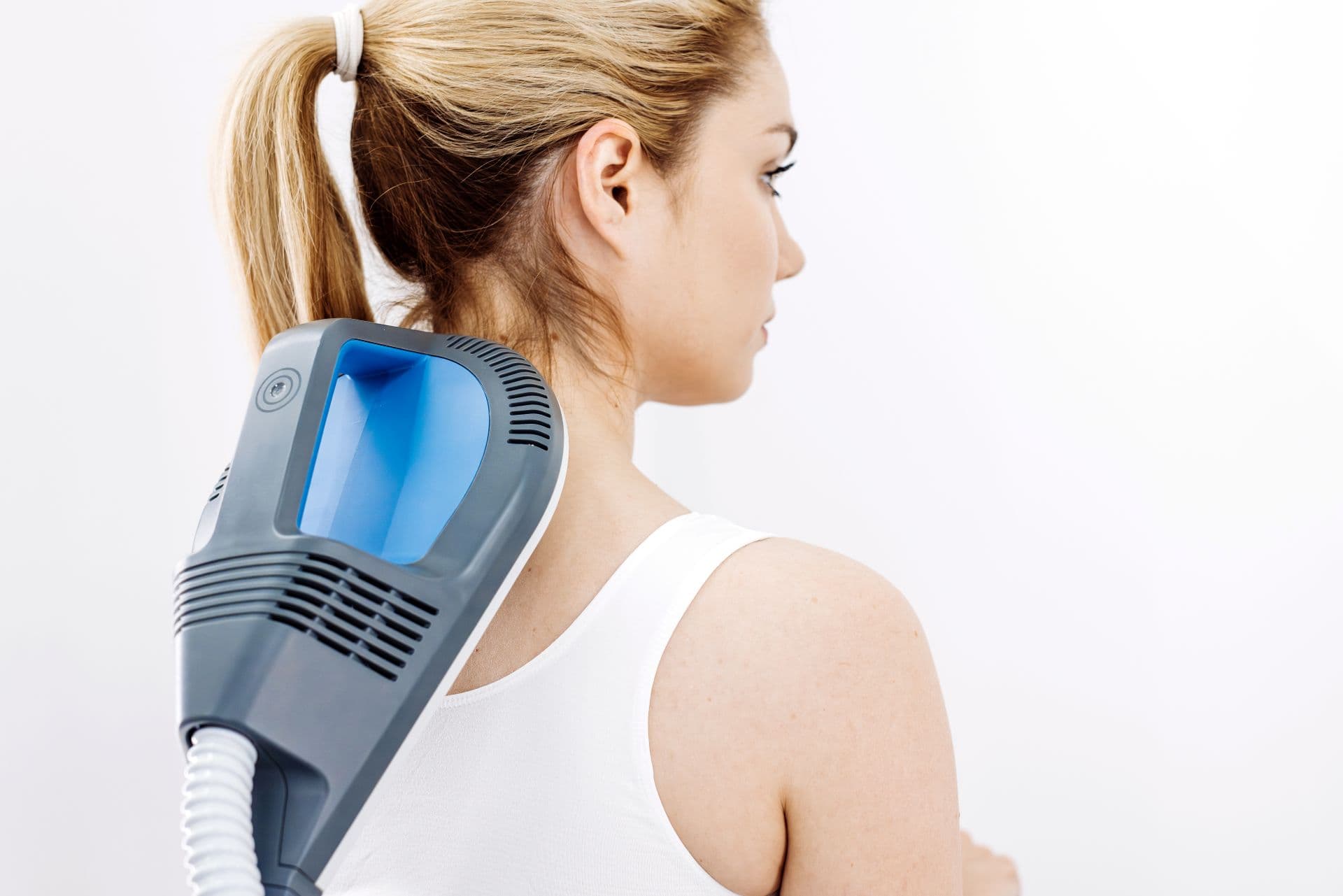
Shortwave diathermy (SWD) is a physical-medicine modality that uses radiofrequency electromagnetic energy—commonly 27.12 MHz—to produce therapeutic deep heating in muscle, joint, or other soft tissue. The FDA describes diathermy as controlled deep heating beneath the skin; radiofrequency shortwave units are distinct from microwave diathermy and from ultrasonic diathermy. Capacitive or inductive applicators couple energy into the field. Continuous modes emphasize heat. Pulsed modes may deliver less thermal load, but they are still electromagnetic energy and are not automatically safe around implants.
This is not PEMF marketed as nonthermal “cellular charging,” and it is not a cosmetic radiofrequency facial. A licensed physical therapist or physician should choose SWD only for a defined rehabilitation goal such as temporary pain or stiffness reduction that lets you complete mobility work. Evidence and dose are condition-specific. Spacing, tuning, power, on-time, and field size determine how much heat is delivered. Feeling pleasantly warm is not proof of a disease-modifying effect.
Contraindications are safety-critical. FDA inspection guidance warns that diathermy fields can induce currents that overheat metal in the body—bone pins, implanted electrodes, dental metal, and metal sutures—and can interfere with sensitive electronics. Implanted neurostimulators, pacemakers, defibrillators, pumps, and cochlear devices can be damaged or can heat leads, causing severe injury even if the implant is switched off. Impaired sensation or circulation is a contraindication because the patient cannot reliably report overheating. Pregnancy, malignancy in the field, active bleeding or infection, and wet skin or grounded metal contact add further risk. A PMC survey of physiotherapists underscores how often implant rules are misunderstood, especially for pulsed SWD and pacemakers.
Reasonable use is a short, screened course inside a rehab plan, with continuous communication and immediate stop for excess heat, pain, dizziness, or implant symptoms. There is no role for SWD as a stand-alone longevity or “deep detox heat” service. If a studio cannot produce implant-screening questions and a licensed supervisor, do not lie down next to the generator.
Bring implant cards and a list of all metal, including dental work, IUDs, and older pins. Tell the clinician about pregnancy, cancer, bleeding, poor circulation, neuropathy, and skin numbness. Wear dry clothing and remove jewelry in the field. Do not apply lotions that could change coupling. If you cannot feel temperature normally in the area, say so before the machine is turned on.
Most people have no downtime. Mild warmth should fade quickly. Report burns, blistering, persistent pain, neurologic change, or any implant alarm the same day. Resume activity as the therapist directs. There is no detox or recovery protocol; this is a heat modality, not an infusion.
Burns and deep-tissue overheating are the main direct harms, especially with impaired sensation or metal in the field. Implanted electronics can malfunction or heat leads, causing severe injury or death around neurostimulators. Shock or surface burns can occur if a patient in the field touches grounded metal. Pregnancy and malignancy in the treatment area are typical exclusions. Using SWD instead of evaluating infection, fracture, or progressive neurologic pain delays needed care.
FDA: Diathermy inspection guide
https://www.fda.gov/inspections-compliance-enforcement-and-criminal-investigations/inspection-guides/diathermyFDA: Shortwave diathermy product classification (PQY)
https://www.accessdata.fda.gov/scripts/cdrh/cfdocs/cfPCD/classification.cfm?ID=PQYPMC: Physiotherapists’ understanding of shortwave diathermy contraindications
https://pmc.ncbi.nlm.nih.gov/articles/PMC10312352/FDA device record example: diathermy and implanted leads risk
https://www.accessdata.fda.gov/cdrh_docs/pdf/p960009s007b.pdfNIH PubMed: Pulsed shortwave diathermy and implanted metal (case series)
https://pubmed.ncbi.nlm.nih.gov/17017272/© 2026 Longevity Clinic Finder. All rights reserved.
Designed by SMBPulse
Screened patients with a defined rehabilitation indication, intact sensation and circulation in the field, and no incompatible implant or metal risk. It is not for wellness heating, pregnancy, numb skin, or anyone with a pacemaker, neurostimulator, or other active electronic implant.
Explore nearby clinics, compare profiles, and find providers offering this treatment.
Find Clinics Near You© 2026 Longevity Clinic Finder. All rights reserved.
Designed by SMBPulse
 Your Privacy Choices