What Are Chemical Peels?
Controlled application of an acid or other chemical to exfoliate skin at a superficial, medium, or deep level. Agent, concentration, pH, layers, exposure, anatomy, and skin tone determine injury and downtime.
Controlled application of an acid or other chemical to exfoliate skin at a superficial, medium, or deep level. Agent, concentration, pH, layers, exposure, anatomy, and skin tone determine injury and downtime.
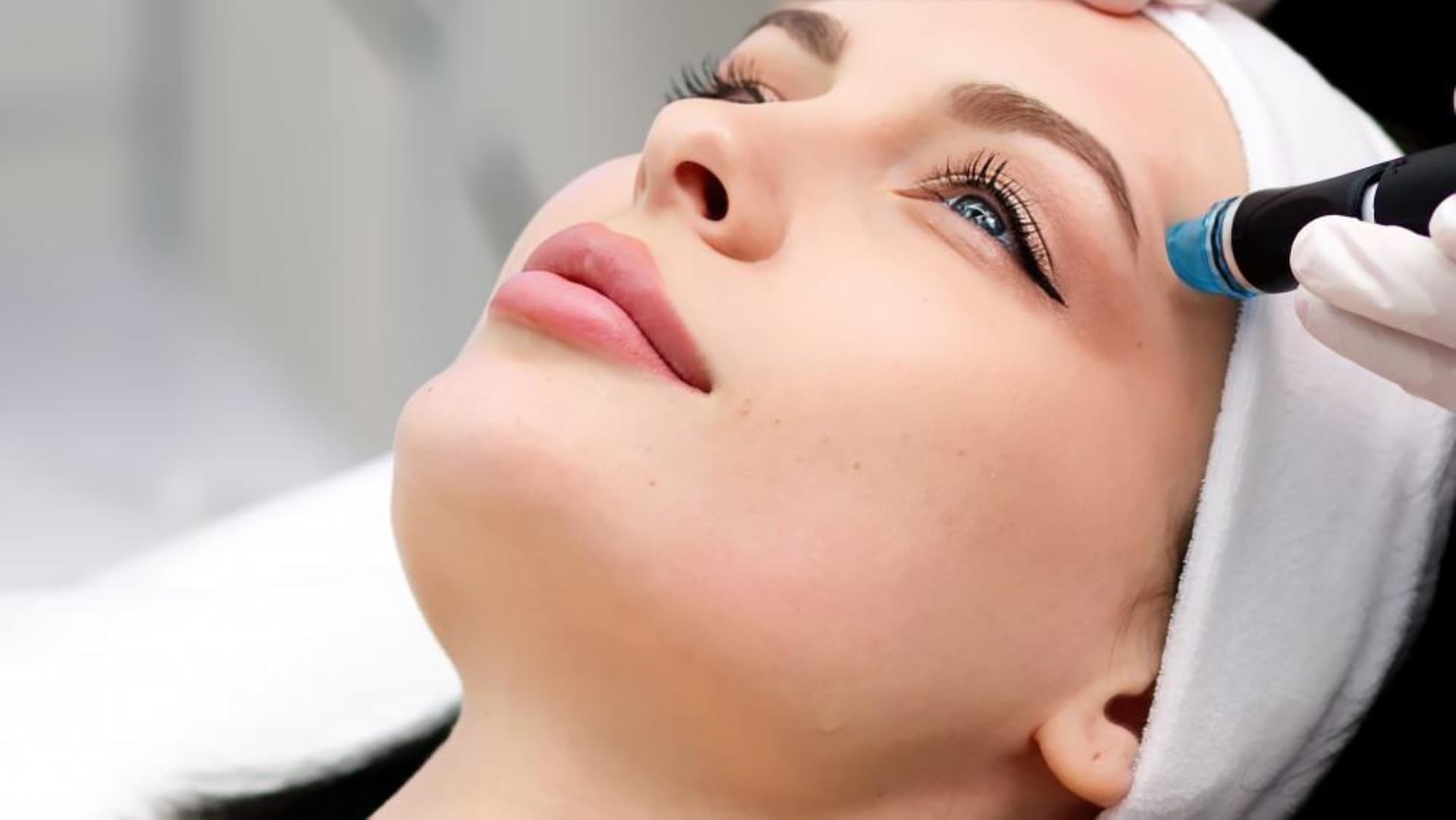
Chemical peels create controlled skin injury using an acid or other caustic formulation. Superficial peels affect the outer epidermis; medium-depth peels reach further; deep phenol-based peels can create major injury and require medical monitoring. Product name alone does not define depth.
Dose includes formulation and technique
Agent, concentration, pH, free-acid value, layers, volume, exposure time, skin preparation, occlusion, neutralization, and treatment area all matter. A “30% peel” from two products can behave differently.
Skin tone and pigment
Inflammation can trigger post-inflammatory hyperpigmentation or hypopigmentation. Melasma may recur or worsen. Deeper is not automatically better, especially with darker skin tones, recent tanning, impaired healing, or prior pigment problems.
Deep peels are not spa facials
Medium and deep peels carry infection, scarring, prolonged redness, demarcation lines, and systemic risks. Phenol can affect heart rhythm and requires appropriate selection, dosing, monitoring, and emergency capability.
Disclose cold sores, active dermatitis, allergies including aspirin sensitivity for salicylate products, pregnancy, isotretinoin, photosensitizing medicines, keloids, pigment history, recent tanning, facial surgery, and cardiac, kidney, or liver disease for deeper peels.
Superficial peels may cause days of dryness or flaking; medium and deep peels can cause swelling, crusting, wound care, and prolonged redness. Do not pick peeling skin. Report severe pain, pus, fever, blisters, or delayed healing.
Burns, pain, swelling, prolonged redness, infection, herpes reactivation, scarring, milia, acne flare, hyper- or hypopigmentation, demarcation lines, and poor result. Deep phenol peels can cause cardiac arrhythmia and systemic toxicity.
American Society for Dermatologic Surgery. Chemical Peels.
https://www.asds.net/skin-experts/skin-treatments/chemical-peelsPubMed: Chemical Peels in Skin of Color Reviews.
https://pubmed.ncbi.nlm.nih.gov/?term=chemical+peels+review+skin+of+colorPubMed: Phenol Peel Cardiac Safety Literature.
https://pubmed.ncbi.nlm.nih.gov/?term=phenol+peel+cardiac+toxicity© 2026 Longevity Clinic Finder. All rights reserved.
Designed by SMBPulse
Frequency
Superficial peels may be repeated every few weeks; deeper peels require much longer healing and are not routine maintenance.
Adults with a defined texture, acne, or pigment goal and ability to follow aftercare. Active infection, recent tanning, high scarring or pigment risk, impaired healing, or systemic contraindications may require deferral.
Explore nearby clinics, compare profiles, and find providers offering this treatment.
Find Clinics Near You© 2026 Longevity Clinic Finder. All rights reserved.
Designed by SMBPulse
 Your Privacy Choices