Overview
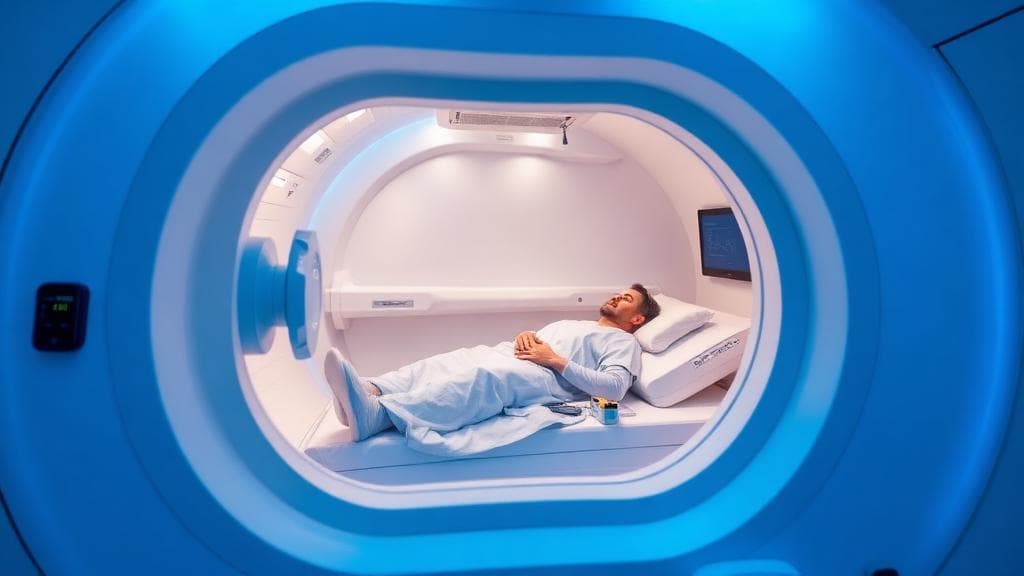
Exercise With Oxygen Therapy (EWOT) combines stationary cycling, treadmill walking, or another exercise with oxygen-enriched gas delivered through a mask or cannula. The session remains at normal atmospheric pressure. EWOT is therefore not hyperbaric oxygen therapy (HBOT), which places the patient in a pressurized chamber and uses an FDA-cleared system for specific indications.
What oxygen changes
Supplemental oxygen can raise inspired oxygen concentration, but benefit depends on baseline oxygenation, disease, workload, delivery flow, mask fit, and protocol. Medical oxygen is a prescription drug in the United States. People with hypoxemia or cardiopulmonary disease may have a medical indication for oxygen during activity; that is different from elective EWOT sold for longevity or athletic enhancement.
Evidence and claims
Research on oxygen-supplemented exercise is condition-specific. It does not establish broad claims that EWOT reverses aging, detoxifies, treats cancer, or permanently improves mitochondrial function in healthy adults. Fitness gains may come from the exercise itself. A useful clinic should measure workload, heart rate, symptoms, and oxygen saturation rather than rely on post-session feelings alone.
Safety
Oxygen supports combustion. No smoking, flames, oil-based products, or unsuitable electrical equipment should be near the system. Excess oxygen can be inappropriate for some patients, and exercise adds cardiovascular, fall, and overexertion risk. Screening matters.
Benefits
Provides structured aerobic exercise with physiologic monitoring
May support prescribed activity in selected patients with exertional hypoxemia
Allows workload, heart rate, symptoms, and oxygen saturation to be tracked
Avoids chamber pressure used in HBOT
Can be compared against the same exercise performed without supplemental oxygen
The Procedure
1
Baseline screen
2
Fit delivery equipment
3
Supervised exercise
4
Cool down and compare
Preparation
Avoid smoking and follow the clinic’s exercise instructions. Bring inhalers and prescribed oxygen plan if applicable. Wear exercise clothing and disclose chest pain, fainting, uncontrolled blood pressure, recent illness, or pregnancy.
Recovery & Aftercare
Expect normal exercise fatigue. Stop and seek assessment for chest pain, fainting, severe breathlessness, confusion, or persistent low oxygen saturation.
Risks & Considerations
Exercise-related cardiac events, falls, musculoskeletal injury, dizziness, oxygen-related dryness or headache, inappropriate oxygen administration, and fire. EWOT can delay appropriate diagnosis if low saturation is treated as a wellness issue.
Frequently Asked Questions
References
[1]
FDA Product Classification: Hyperbaric Chamber (Class II).
https://www.accessdata.fda.gov/scripts/cdrh/cfdocs/cfpcd/classification.cfm?ID=CBF[2]
American Thoracic Society. Home Oxygen Therapy for Adults with Chronic Lung Disease guideline.
https://www.thoracic.org/statements/resources/copd/oxygen-therapy.pdf[3]
OSHA. Oxygen standard, 29 CFR 1910.104.
https://www.osha.gov/laws-regs/regulations/standardnumber/1910/1910.104 Your Privacy Choices