What Is Laser Skin Resurfacing?
Ablative or nonablative laser treatment for selected wrinkles, scars, texture, or pigment concerns. Wavelength, fractionation, depth, skin tone, eye protection, and aftercare determine benefit and risk.
Ablative or nonablative laser treatment for selected wrinkles, scars, texture, or pigment concerns. Wavelength, fractionation, depth, skin tone, eye protection, and aftercare determine benefit and risk.
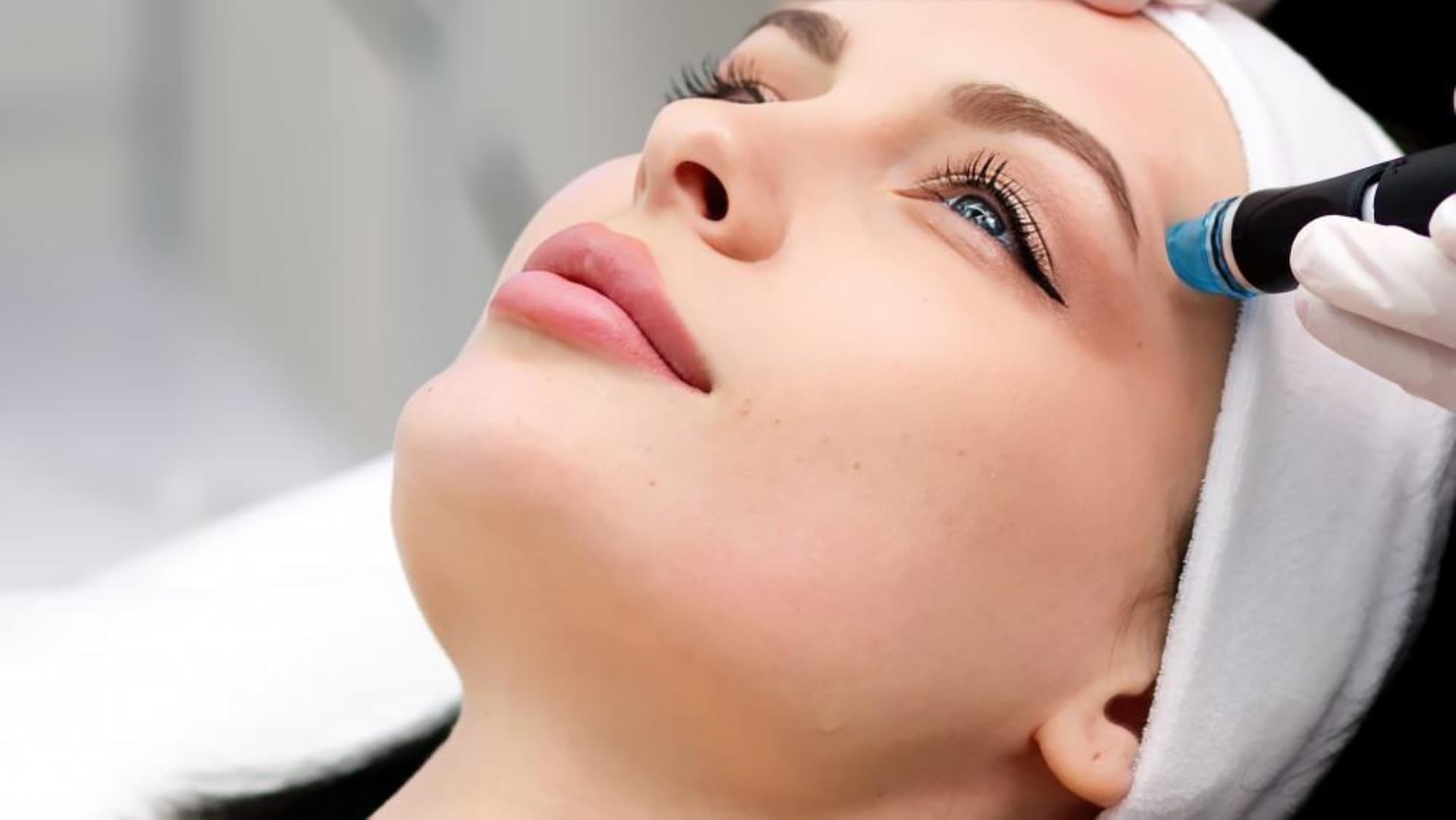
Laser skin resurfacing uses a specific wavelength to create controlled thermal injury. Ablative lasers remove columns or layers of tissue; nonablative lasers heat tissue with less surface removal. Fractional devices treat a grid of microscopic zones rather than the entire surface.
Laser type determines recovery
CO₂, erbium, fractional nonablative, and other systems are not interchangeable. Deeper or denser treatment can produce larger changes but also longer redness, infection risk, scarring, and pigment alteration. Brand name alone does not identify dose.
Skin tone and pigment
Melanin can absorb laser energy and inflammation can trigger post-inflammatory hyperpigmentation. Device choice, wavelength, fluence, density, cooling, pretreatment, and sun avoidance should reflect skin tone, tanning, melasma, and prior pigment response.
Medical procedure
Resurfacing requires eye protection, smoke-plume controls when tissue is ablated, infection and herpes planning, and detailed wound care. It cannot guarantee pore removal, erase every scar, or stop aging.
Avoid tanning and disclose melasma, keloids, cold sores, isotretinoin and photosensitizing drugs, immune suppression, smoking, pregnancy, active infection, prior radiation, fillers, permanent makeup, and recent procedures. Arrange downtime and wound supplies.
Nonablative recovery may be days; ablative resurfacing can involve oozing, crusting, swelling, and weeks of redness. Strict wound care and sun protection are essential. Fever, pus, severe pain, eye symptoms, or worsening wounds need urgent review.
Pain, prolonged redness, swelling, infection, herpes reactivation, acne or milia, burns, scarring, textural change, hyper- or hypopigmentation, line of demarcation, eye injury, and poor cosmetic result. Deeper treatment increases risk and recovery.
American Society for Dermatologic Surgery. Laser Resurfacing.
https://www.asds.net/skin-experts/skin-treatments/laser-light-therapy/laser-resurfacingPubMed: Fractional Laser Resurfacing Reviews.
https://pubmed.ncbi.nlm.nih.gov/?term=fractional+laser+resurfacing+reviewOSHA. Laser Hazards.
https://www.osha.gov/laser-hazards© 2026 Longevity Clinic Finder. All rights reserved.
Designed by SMBPulse
From one deeper treatment to 3–5 lighter sessions; repeat only after full healing and reassessment.
Adults with a defined resurfacing target who can follow wound and sun care. Active infection, recent tanning, uncontrolled pigment or scarring risk, impaired healing, or inability to manage downtime may require deferral or another modality.
Explore nearby clinics, compare profiles, and find providers offering this treatment.
Find Clinics Near You© 2026 Longevity Clinic Finder. All rights reserved.
Designed by SMBPulse
 Your Privacy Choices