What Is Cold Therapy?
Cold therapy ranges from ice packs and cold-compression devices to cold-water immersion and whole-body cryotherapy. Benefits, dose, and risks differ; colder and longer are not automatically better.
Cold therapy ranges from ice packs and cold-compression devices to cold-water immersion and whole-body cryotherapy. Benefits, dose, and risks differ; colder and longer are not automatically better.
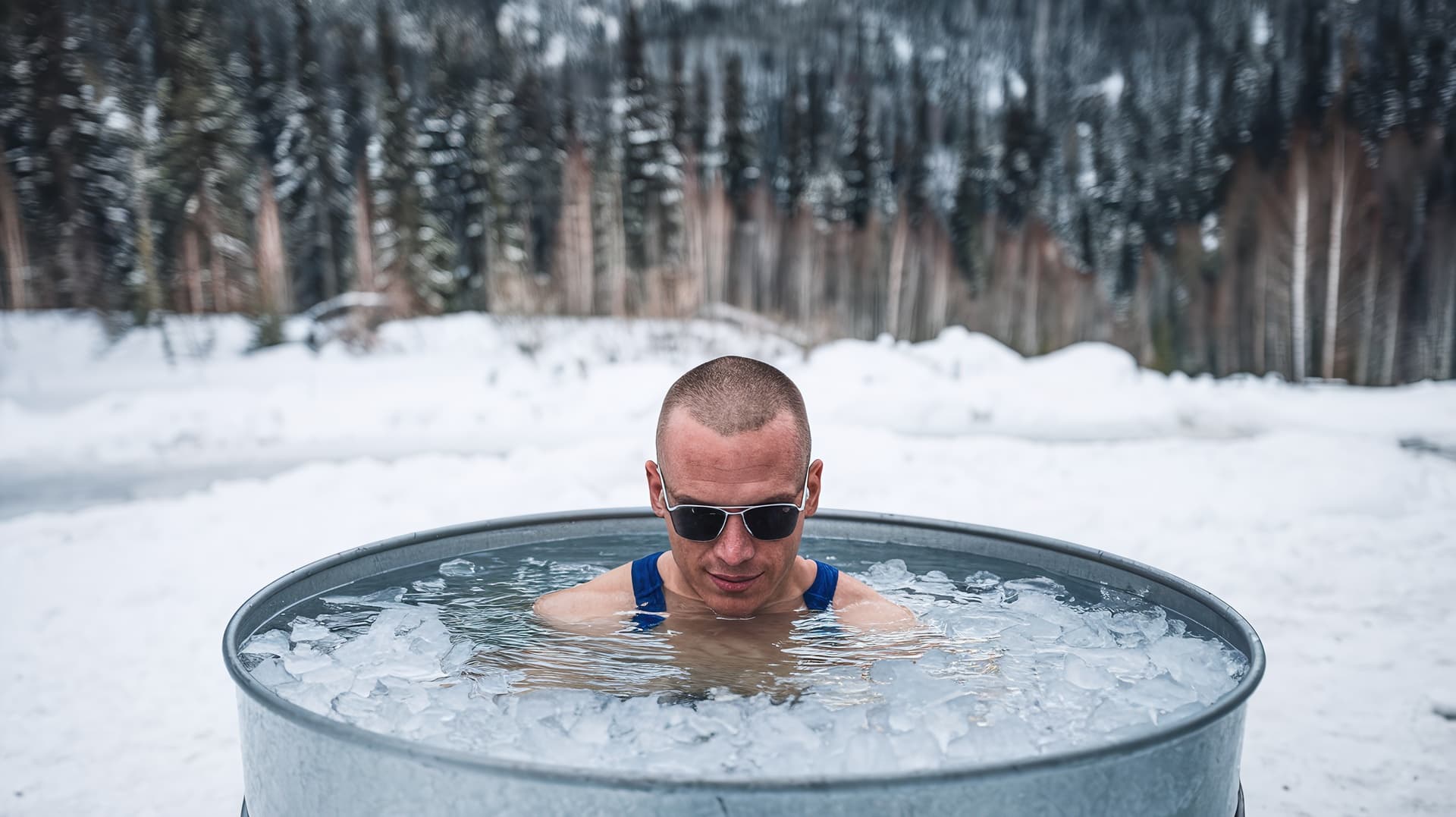
Cold therapy is an umbrella for local cooling, cold-compression devices, cold-water immersion (CWI), and extremely cold-air exposure. These methods are not interchangeable: water transfers heat much faster than air, immersion adds hydrostatic pressure, and local devices cool a limited target.
What cold can do
Cooling can temporarily reduce nerve-conduction speed, pain perception, blood flow, and tissue temperature. After strenuous exercise, CWI may reduce soreness and improve perceived recovery over the next day. These effects do not prove faster tissue healing or better long-term adaptation.
Recovery versus adaptation
Regular CWI immediately after resistance training may modestly attenuate hypertrophy and some strength adaptations. Athletes should distinguish short turnaround recovery—such as tournament play—from building long-term muscle and strength.
Metabolism and longevity claims
Repeated mild cold can activate brown adipose tissue and alter glucose metabolism in research settings, but this does not establish cold plunges or cryochambers as weight-loss, diabetes, immune, depression, or longevity treatments.
Safety
Cold water can trigger an involuntary gasp, hyperventilation, blood-pressure surge, and rhythm stress before hypothermia develops. Local cooling can injure skin or nerves, especially with impaired sensation. Whole-body cryotherapy adds frostbite, nitrogen displacement, equipment, and supervision risks.
Use the least exposure that meets the goal
Define the target, temperature, duration, body area, timing, frequency, and stop signs. Never plunge alone, use breath-holding challenges in water, or treat pain so aggressively that an injury is masked.
Hydrate normally, avoid alcohol or sedatives, discuss cardiovascular and cold-sensitivity history, keep skin and protective clothing dry for cryochambers, inspect skin and sensation, and arrange direct supervision for immersion.
Rewarm gradually, dry off, and monitor coordination, skin color, sensation, dizziness, and shivering. Persistent numbness, blistering, confusion, chest symptoms, fainting, or uncontrolled shivering requires prompt assessment.
Cold shock, hyperventilation, drowning, blood-pressure surge, arrhythmia, fainting, hypothermia, frostbite or cold burn, nerve injury, skin damage, cold urticaria, bronchospasm, masking of injury, and reduced training adaptation with poorly timed frequent use.
Cold-Water Immersion Dose and Exercise Recovery Meta-Analysis.
https://pmc.ncbi.nlm.nih.gov/articles/PMC11897523/Postexercise CWI and Muscle Hypertrophy Meta-Analysis.
https://onlinelibrary.wiley.com/doi/10.1002/ejsc.12074CDC Yellow Book: Cold Illness and Immersion.
https://www.cdc.gov/yellow-book/hcp/environmental-hazards-risks/heat-and-cold-illness-in-travelers.htmlFDA: Hot/Cold Therapy Device Safety.
https://www.fda.gov/consumers/consumer-updates/cold-facts-help-avoid-injury-water-circulating-hotcold-therapy-devices© 2026 Longevity Clinic Finder. All rights reserved.
Designed by SMBPulse
Frequency
Goal-specific. There is no universal daily protocol; frequent immediate post-lifting use may conflict with hypertrophy goals.
People seeking short-term soreness or symptom management with a defined goal and low cold-exposure risk. Unscreened cardiovascular disease, syncope, cold hypersensitivity, impaired sensation, vascular disease, intoxication, or inability to exit safely may preclude use.
Explore nearby clinics, compare profiles, and find providers offering this treatment.
Find Clinics Near You© 2026 Longevity Clinic Finder. All rights reserved.
Designed by SMBPulse
 Your Privacy Choices