What Is Localized Cryotherapy?
Localized cryotherapy cools a limited body area using an ice pack, cold-air device, vapocoolant, or controlled applicator. Method and dose determine tissue cooling, evidence, and injury risk.
Localized cryotherapy cools a limited body area using an ice pack, cold-air device, vapocoolant, or controlled applicator. Method and dose determine tissue cooling, evidence, and injury risk.
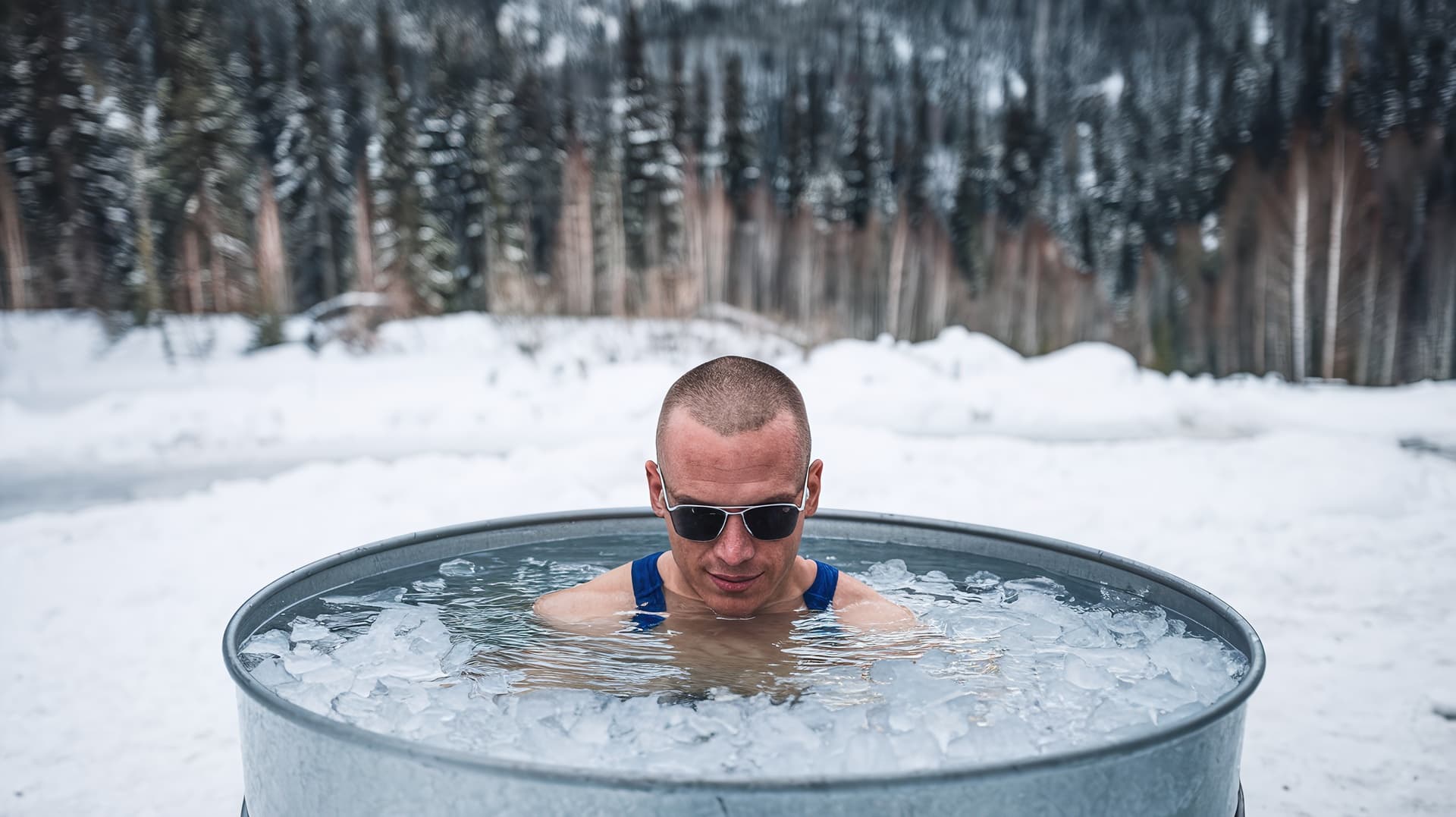
Localized cryotherapy applies cold to a defined area rather than the whole body. Methods include protected ice or gel packs, cold-air jets, vapocoolant sprays, circulating pads, and clinic devices. Medical cryosurgery that intentionally destroys lesions is a different procedure.
What local cooling does
Cooling can temporarily reduce skin and superficial tissue temperature, nerve-conduction speed, pain, and local blood flow. Actual dose depends on source temperature, contact, pressure, barrier, body site, tissue thickness, and duration.
Uses and limits
Protected local cooling may help short-term pain after selected injuries, exercise, or procedures. It does not prove faster ligament, tendon, muscle, or bone healing. Pain suppression can mask worsening injury or encourage premature loading.
Cold-air and vapor devices
A displayed air or vapor temperature does not equal tissue temperature. Direct spray, stationary application, wet skin, impaired sensation, or excessive duration can cause frostbite or cold burn. Regulatory status and cleared indication must be checked for the exact device.
Safe application
Use a protective barrier unless device labeling directs otherwise, avoid sleeping with a device, inspect skin frequently, and stop for burning, intense pain, white or blue skin, welts, or persistent numbness. Avoid direct cold over an area with poor circulation or sensation.
Inspect the skin, test sensation and circulation, review Raynaud phenomenon, cold urticaria, neuropathy, vascular disease, wounds, surgery instructions, and medications. Remove creams or moisture if the device requires dry skin.
Skin should rewarm and normal sensation should return. Persistent numbness, blistering, mottling, white or blue skin, severe pain, swelling, hives, or weakness requires assessment.
Frostbite or cold burn, skin necrosis, nerve palsy, pressure injury, hives, pigment change, delayed diagnosis, and reinjury when analgesia masks protective pain.
FDA: Cold Therapy Device Safety.
https://www.fda.gov/consumers/consumer-updates/cold-facts-help-avoid-injury-water-circulating-hotcold-therapy-devicesPubMed: Local Cryotherapy Safety and Tissue Cooling Reviews.
https://pubmed.ncbi.nlm.nih.gov/?term=local+cryotherapy+skin+temperature+nerve+injury+review© 2026 Longevity Clinic Finder. All rights reserved.
Designed by SMBPulse
People needing temporary, targeted symptom control with intact circulation and sensation and a clear diagnosis or care plan. Cold hypersensitivity, poor blood flow, neuropathy, fragile skin, or inability to monitor the area increases risk.
Explore nearby clinics, compare profiles, and find providers offering this treatment.
Find Clinics Near You© 2026 Longevity Clinic Finder. All rights reserved.
Designed by SMBPulse
 Your Privacy Choices