
Guides
Longevity Treatment Guides
Treatment explainers, comparisons, and advice for choosing a longevity clinic — written to help you understand options before you book.
Topics
Filter by Type
Showing all 22 guides
Diagnostic Testing
22 guides in this topic

How to Choose a Diagnostic Testing Clinic
Clinic SelectionPick a CLIA laboratory and indicated tests with a clinician who will counsel genetics results. Fear-based mega-panels are not a substitute for guideline screening.
Also known as:

Executive Physical vs Preventive Visit
ComparisonsUSPSTF-aligned preventive visits target indicated screening and counseling. Cash-pay executive packages add tests that can create incidental findings and extra follow-up.
Also known as:

Lab VO2 Max vs Wearable Estimate
ComparisonsLab cardiopulmonary testing measures expired gases during a graded effort. Wrist wearables estimate fitness from heart rate and algorithms. A wearable number is not a CPET.
Also known as:
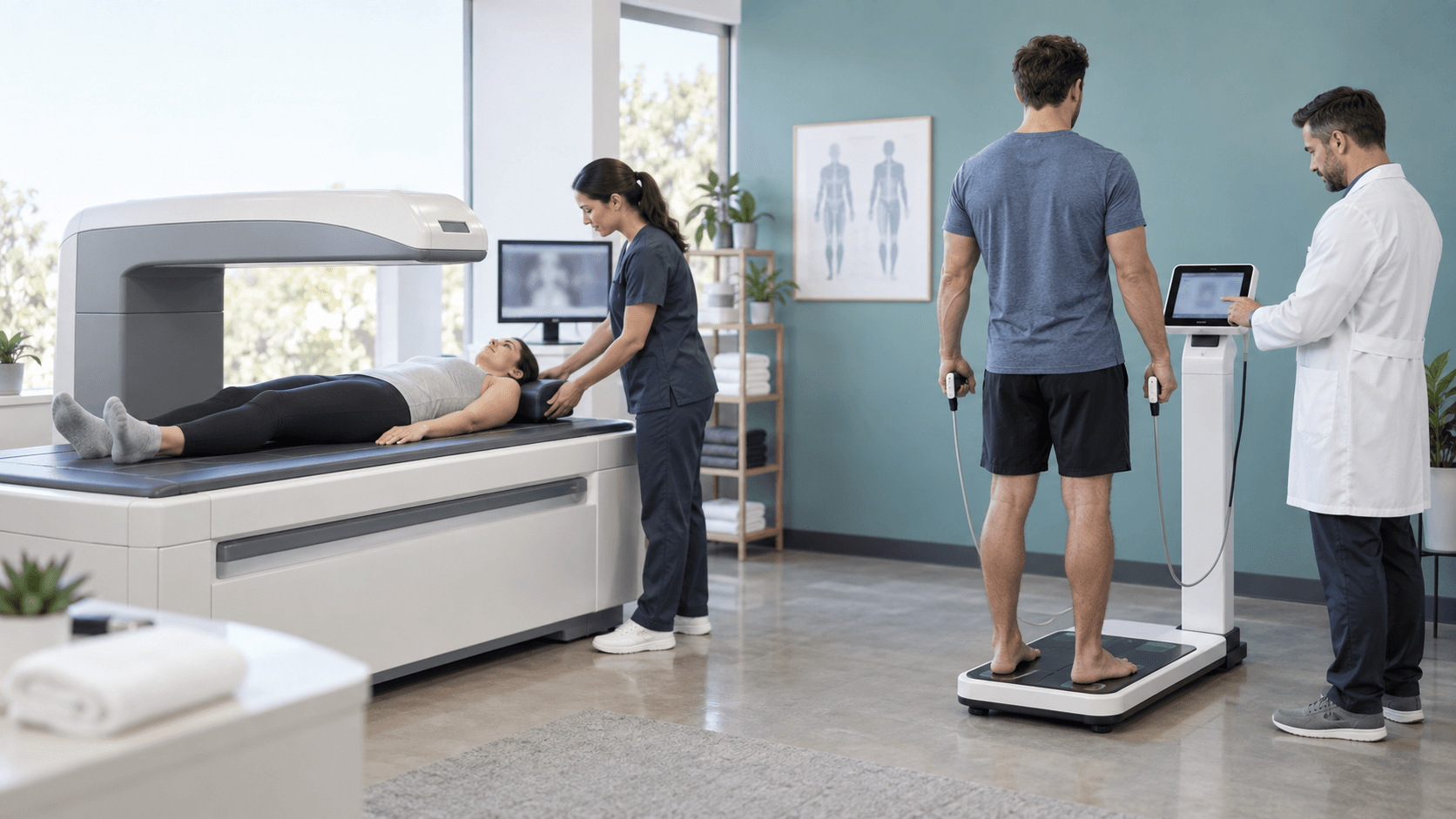
DEXA vs BIA for Body Composition
ComparisonsClinic DXA is generally more precise for bone, fat, and lean mass. BIA is convenient but changes with hydration. Neither scan replaces a medical evaluation of your health.
Also known as:

Genetic vs Epigenetic Testing
ComparisonsClinical genetic tests read inherited DNA and need counseling. Methylation biological-age clocks are research-grade estimates and should not replace screening.
Also known as:

Metabolic Health and Diabetes Testing
Conditions & GoalsA1C, fasting glucose, and OGTT diagnose prediabetes and diabetes when indicated. Boutique insulin-resistance labels do not replace ADA or USPSTF criteria.
Also known as:

Cancer Screening and Early-Detection Tests
Conditions & GoalsUse USPSTF-aligned, cancer-specific screening first. Cash-pay full-body scans and MCED blood tests can create incidental findings without proven mortality benefit.
Also known as:

Cardiovascular Risk Testing
Conditions & GoalsASCVD risk starts with blood pressure, lipids, and A1C. CAC or hsCRP can help selected adults. Testing is not a substitute for indicated treatment. Chest pain is an emergency.
Also known as:

False Positives, Overdiagnosis, and Incidental Findings
Longevity InsightsA false positive is a wrong alarm. Overdiagnosis finds real disease that would never have harmed you. Incidental findings start cascades you should plan before testing.
Also known as:

Reference Ranges vs “Optimal” Ranges
Longevity InsightsA lab reference interval is not a wellness “optimal” range. Treating numbers without a clinical indication can mean unnecessary drugs, procedures, and harm.
Also known as:
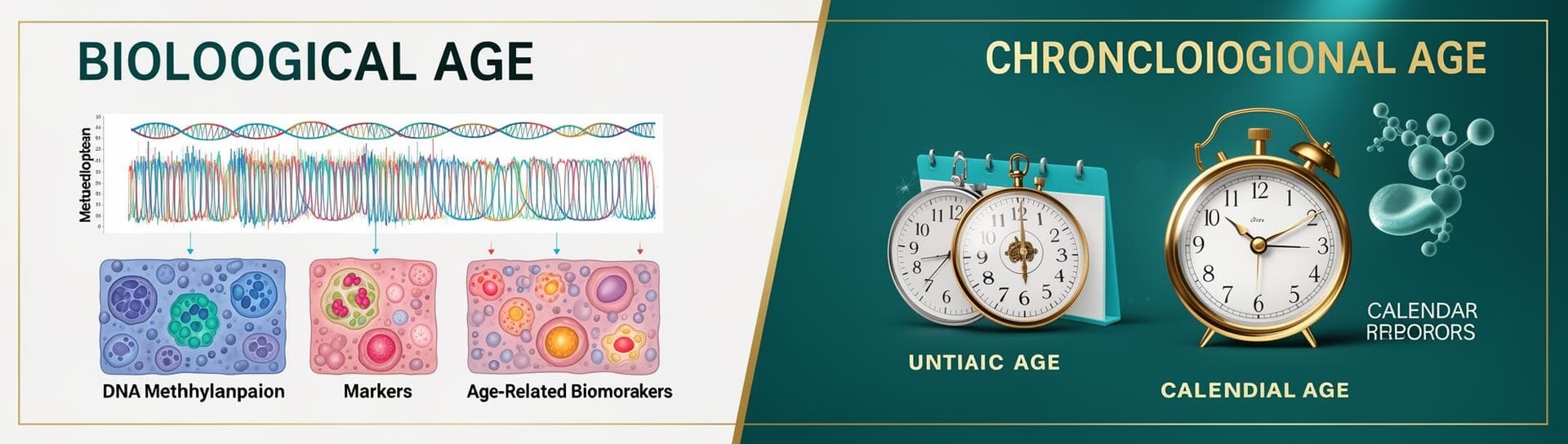
Biological Age vs. Chronological Age Explained
Longevity InsightsChronological age is calendar time. Biological-age scores are model estimates with limited clinical action. They should not replace recommended screening or treatment.
Also known as:
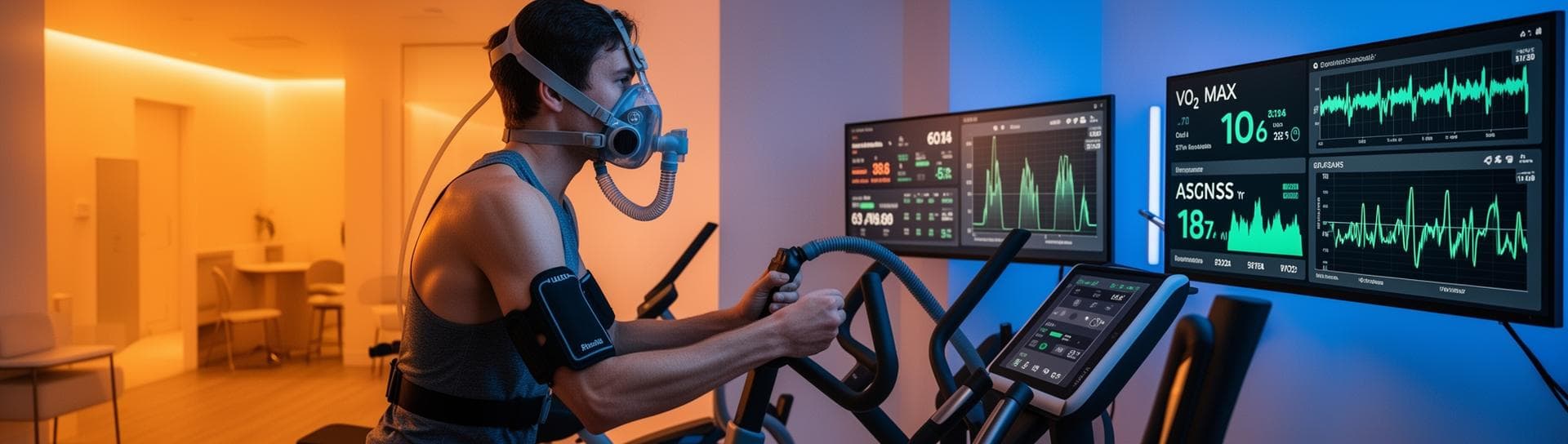
VO2 Max and Longevity: Why It Matters
Longevity InsightsCardiorespiratory fitness associates with better outcomes. A lab CPET is not a wristwatch estimate. Training can raise fitness; it is not a lifespan guarantee.
Also known as:

Top Biomarkers Longevity Clinics Test
Longevity InsightsSeparate USPSTF and indicated labs from boutique longevity panels. More markers do not mean better care. Ask which result will change a clinical decision this year.
Also known as:
What Is Diagnostic Testing?
TreatmentsScreening and diagnostic tests can estimate risk, detect disease, monitor treatment, or measure function. High-value testing starts with a question and includes interpretation, follow-up, and protection from false positives and overdiagnosis.
Also known as:

What Is VO2 Max Testing?
TreatmentsVO2 max testing measures peak oxygen consumption during progressive exercise with gas analysis. It can assess cardiorespiratory fitness and exercise limitation when protocol, effort, calibration, and safety monitoring are appropriate.
Also known as:
What Is a DEXA (DXA) Scan?
TreatmentsDual-energy X-ray absorptiometry measures bone mineral density and can estimate body composition using low-dose ionizing radiation. Bone and body-composition protocols, outputs, and repeat intervals differ.
Also known as:

What Is an Executive Physical?
TreatmentsAn executive physical bundles history, examination, preventive planning, labs, and sometimes imaging or performance tests. Quality depends on evidence-based selection, continuity, and follow-up—not the number of tests.
Also known as:
What Is Performance Testing?
TreatmentsPerformance testing measures cardiorespiratory fitness, thresholds, body composition, strength, power, movement, or sport-specific capacity. Useful programs standardize protocols and turn results into training decisions.
Also known as:
What Are Diagnostic Scans?
TreatmentsDiagnostic imaging includes X-ray, ultrasound, DEXA, CT, MRI, and nuclear studies. The right scan answers a defined question or follows a validated screening guideline while minimizing radiation, contrast, incidental findings, and unnecessary follow-up.
Also known as:

What Is Genetic Testing?
TreatmentsGenetic testing examines selected variants, genes, panels, exomes, or genomes for a defined purpose. Test scope, ancestry, laboratory method, counseling, privacy, and confirmatory testing determine clinical value.
Also known as:
What Is Biomarker Testing?
TreatmentsBiomarker testing measures selected blood, urine, or other indicators to answer a clinical question. Useful testing links each result to pretest probability, standardized collection, interpretation, and an action plan.
Also known as:
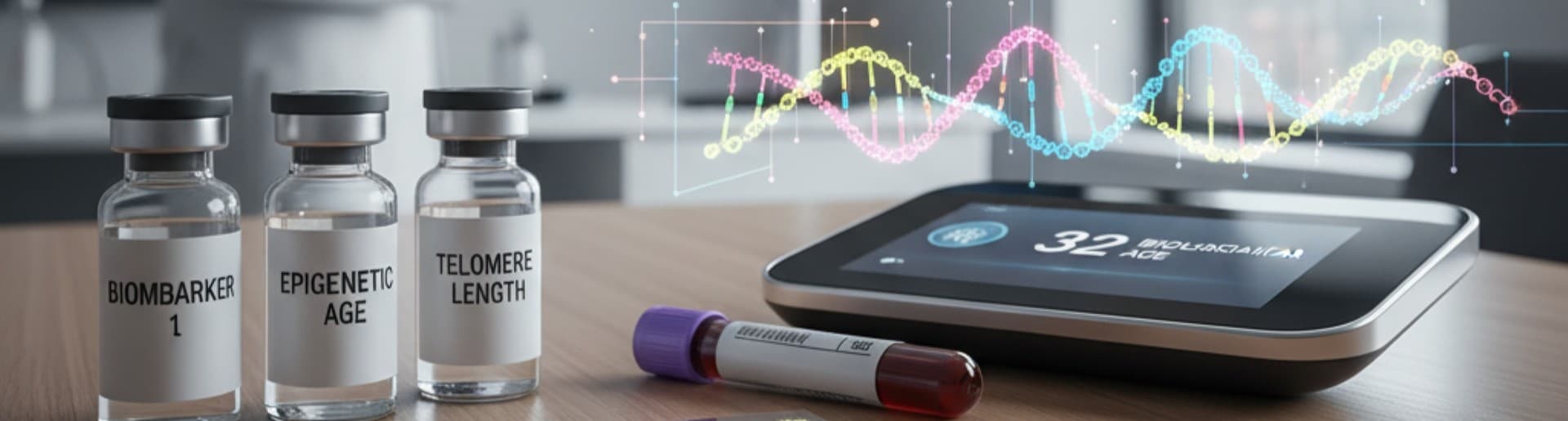
What Is Biological Age Testing?
TreatmentsResearch-oriented tests use DNA methylation, proteins, metabolites, physiology, or clinical data to estimate biological age or aging pace. Results are model-dependent and are not a diagnosis or proven treatment target.
Also known as:
 Your Privacy Choices