
Guides
Longevity Treatment Guides
Treatment explainers, comparisons, and advice for choosing a longevity clinic — written to help you understand options before you book.
Topics
Filter by Type
Showing all 66 guides
Filter by Topics
Comparisons
How options differ so you can choose between them
Aesthetic Medicine
6 guides

CoolSculpting vs Emsculpt
ComparisonsCoolSculpting freezes pinchable fat; Emsculpt stimulates muscle. Neither treats obesity. Cryolipolysis carries a rare PAH risk that may need surgery.
Also known as:

RF Microneedling vs Standard Microneedling
ComparisonsRF microneedling adds heat through needles; standard needling is mechanical only. Downtime, burns, and PIH risk differ. See a licensed clinician for settings.
Also known as:

Microneedling vs Laser Skin Resurfacing
ComparisonsMicroneedling and laser resurfacing both treat scars and texture. Downtime, Fitzpatrick type, infection, and PIH risk differ. See a licensed clinician.
Also known as:
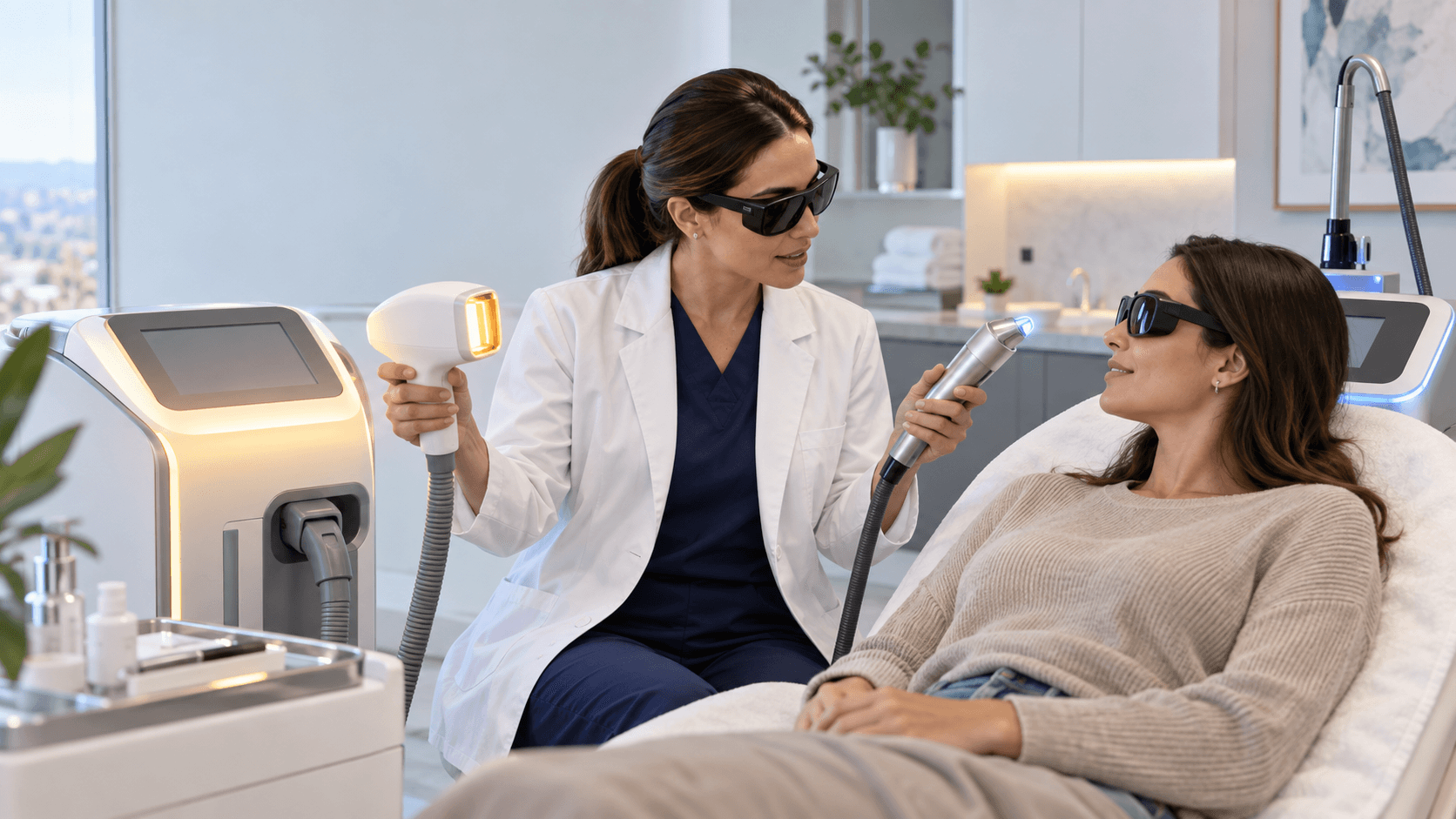
IPL vs Laser Treatment
ComparisonsIPL is a broad light band; lasers use one wavelength. Pigment and eye safety differ. Neither replaces a skin-cancer exam before treating spots.
Also known as:

Sculptra vs Hyaluronic Acid Fillers
ComparisonsSculptra is PLLA that builds volume slowly. HA gels give immediate fill and can be dissolved with hyaluronidase. Nodules and vascular occlusion are risks of both.
Also known as:

Botulinum Toxin vs Dermal Fillers
ComparisonsBotulinum toxin relaxes selected muscles. Fillers add volume. Vascular occlusion and eyelid ptosis are serious risks. Use a licensed injector and approved products.
Also known as:
Alternative Medicine
3 guides

Complementary vs Alternative Care: Which Is Safer?
ComparisonsComplementary care is used alongside standard treatment. Alternative care replaces it. The main harm is delay of indicated care, not the wellness label on the menu.
Also known as:

Acupuncture vs Chiropractic Care
ComparisonsAcupuncture and chiropractic care differ in training, technique, and evidence by condition. Neck manipulation has an uncommon stroke discussion. Neither replaces emergency or red-flag evaluation.
Also known as:

Herbal Medicine vs Homeopathy
ComparisonsHerbs are bioactive products that can interact with medicines. Homeopathy is not supported beyond placebo. Do not treat these as the same natural option or as a substitute for indicated care.
Also known as:
Cognitive Performance
1 guide

Cognitive Training vs Nootropics
ComparisonsCognitive training has limited transfer beyond practiced tasks. Nootropic supplements are not FDA-approved cognition drugs. Sleep, hearing, mood, and vascular risk come first.
Also known as:
Cold Therapy
3 guides

Cold Plunge vs Whole-Body Cryotherapy
ComparisonsCold-water immersion and nitrogen chambers differ in cost and risk. Neither is a proven longevity therapy. Cold shock can stress the heart; chambers add frostbite and asphyxiation hazards.
Also known as:

Cold Therapy vs Heat Therapy
ComparisonsCold is for short-term swelling and pain after a new sprain or strain. Heat is for stiffness and chronic muscle pain. Avoid both if sensation, circulation, or skin is impaired.
Also known as:

Cold Therapy vs Contrast Therapy
ComparisonsContrast therapy alternates heat and cold. Recovery evidence is mixed versus rest or cold alone. Skip it on open wounds, infection, or vascular disease unless a clinician clears you.
Also known as:
Detoxification
3 guides

Medical Detoxification vs Wellness Detox
ComparisonsMedical detox is supervised withdrawal from alcohol or opioids, or toxicology care. Juice, sauna, and IV “detox” menus are marketing. Your liver and kidneys already clear ordinary waste.
Also known as:

Chelation vs Glutathione for Heavy Metals
ComparisonsConfirmed metal poisoning needs a toxicology workup and, when indicated, prescription chelation. IV glutathione is not a validated heavy-metal cure. Unvalidated urine tests are a red flag.
Also known as:

Sauna vs Chelation for “Detox”
ComparisonsSauna is heat exposure with heart and blood-pressure effects, not a proven way to remove metals. Chelation is a prescription treatment for documented poisoning and can be toxic.
Also known as:
Diagnostic Testing
4 guides

Executive Physical vs Preventive Visit
ComparisonsUSPSTF-aligned preventive visits target indicated screening and counseling. Cash-pay executive packages add tests that can create incidental findings and extra follow-up.
Also known as:

Lab VO2 Max vs Wearable Estimate
ComparisonsLab cardiopulmonary testing measures expired gases during a graded effort. Wrist wearables estimate fitness from heart rate and algorithms. A wearable number is not a CPET.
Also known as:
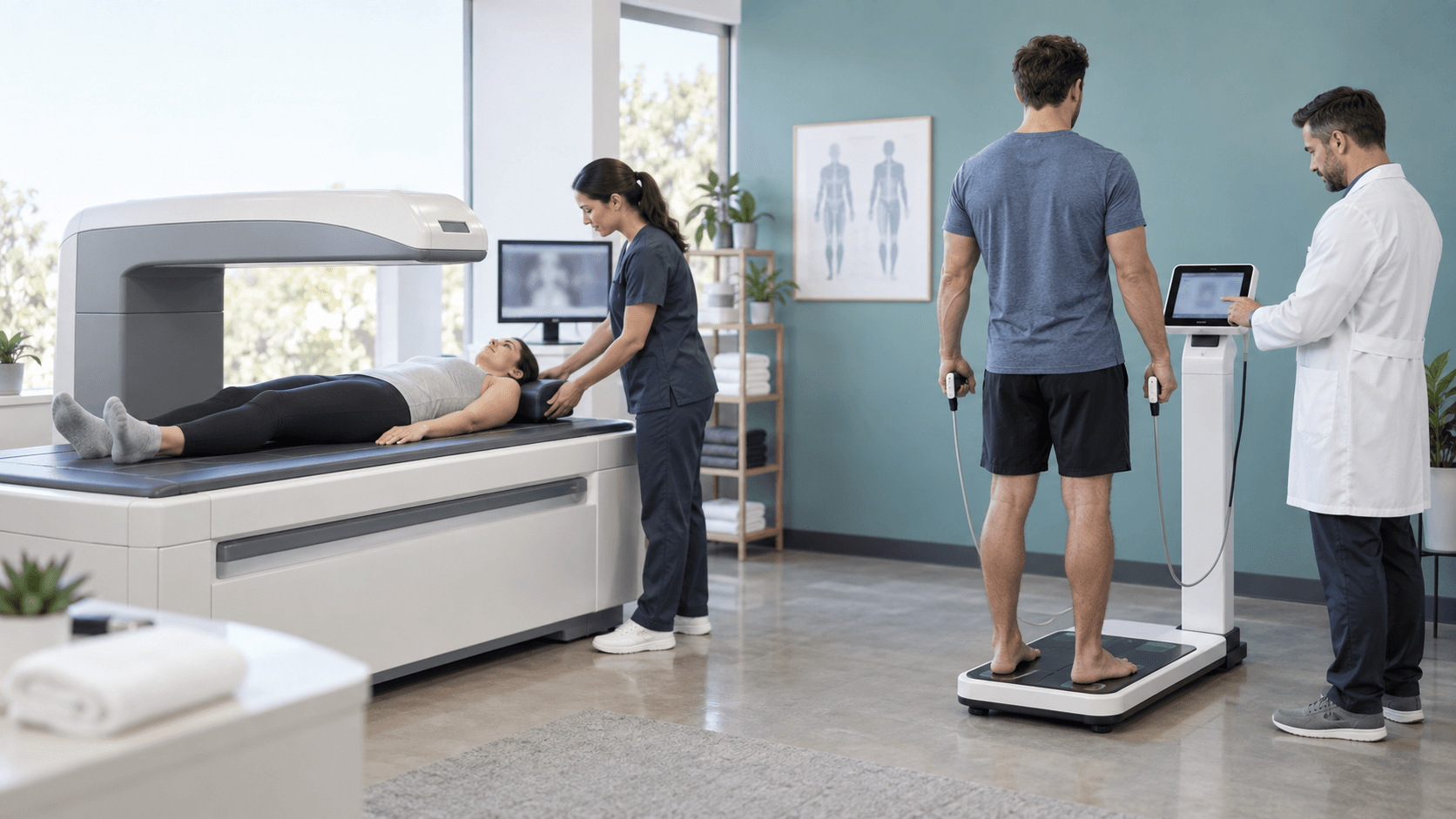
DEXA vs BIA for Body Composition
ComparisonsClinic DXA is generally more precise for bone, fat, and lean mass. BIA is convenient but changes with hydration. Neither scan replaces a medical evaluation of your health.
Also known as:

Genetic vs Epigenetic Testing
ComparisonsClinical genetic tests read inherited DNA and need counseling. Methylation biological-age clocks are research-grade estimates and should not replace screening.
Also known as:
Electromagnetic Therapy
4 guides

PEMF vs TMS
ComparisonsTMS is a prescribed, clinic-based brain stimulation treatment with FDA-cleared psychiatric indications. Wellness PEMF devices are not TMS and do not replace that care.
Also known as:

PEMF vs Static Magnets
ComparisonsPEMF uses changing magnetic pulses. Static magnets stay on at one strength. Pain evidence for refrigerator-magnet-strength products is weak. Do not delay indicated care.
Also known as:
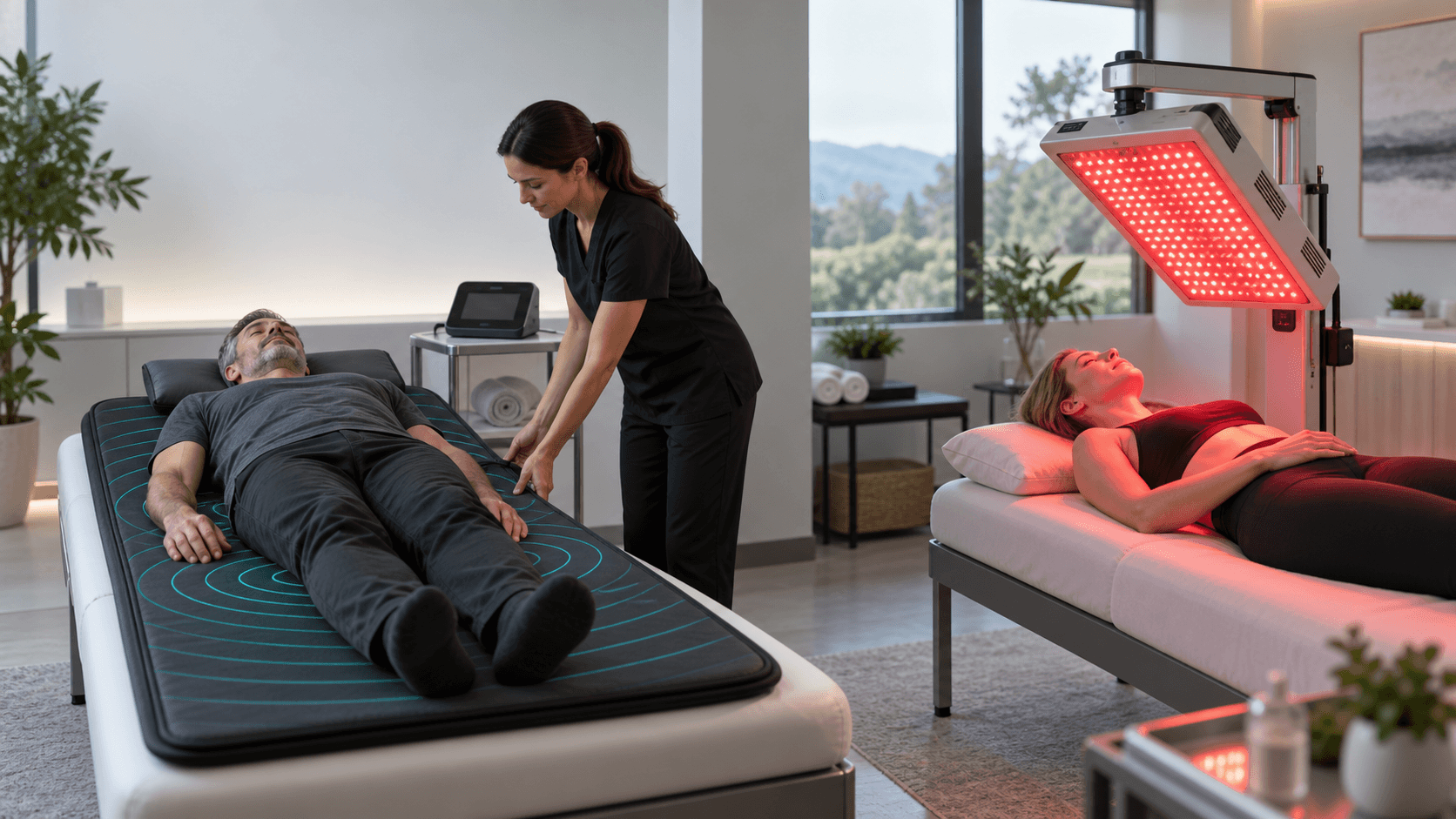
PEMF vs Red Light Therapy
ComparisonsPEMF uses pulsed magnetic fields. Red light uses photobiomodulation. Their evidence bases differ, and neither replaces a diagnosis or a licensed care plan.
Also known as:

PEMF vs TENS and NMES
ComparisonsTENS and NMES deliver electrical current through skin electrodes. PEMF delivers magnetic pulses. They are not interchangeable, and their clinic roles and evidence differ.
Also known as:
Functional Medicine
3 guides

Functional vs Integrative vs Naturopathic Medicine
ComparisonsFunctional medicine is a care framework; integrative medicine combines conventional and complementary care; naturopathic medicine is a licensed profession only in some U.S. jurisdictions.
Also known as:

Functional Medicine vs Primary Care
ComparisonsPrimary care is continuous preventive, acute, and chronic care. Functional medicine adds longer systems-oriented assessment. They can complement each other; do not drop your PCP.

Difference Between Functional Medicine & Longevity Medicine
ComparisonsFunctional and longevity medicine are marketing umbrellas over licensed—or unlicensed—practice. Compare indication, evidence, and primary-care coordination.
Health Coaching
3 guides
Image Coming Soon
Individual vs Group Health Coaching
ComparisonsIndividual and group health coaching both support behavior change, but they differ in privacy, personalization, cost, accountability, and peer support.
Also known as:

Health Coaching vs Lifestyle Medicine
ComparisonsHealth coaching supports behavior change, while lifestyle medicine is clinical care using lifestyle interventions to prevent or manage disease.
Also known as:
Image Coming Soon
Health Coaching vs Psychotherapy: Scope and Referral
ComparisonsHealth coaching and psychotherapy both use conversation, but they differ in scope, training, goals, risk management, and when referral is needed.
Also known as:
Heat Therapy
1 guide

Infrared Sauna vs Traditional Sauna
ComparisonsInfrared and traditional saunas impose different heat loads. Detox claims are weak. Both can strain the heart and cause heat illness in vulnerable people.
Also known as:
Hormone Replacement Therapy
2 guides

Compounded vs FDA-Approved Hormones
ComparisonsFDA-approved hormones are preferred when a labeled product fits. Compounded BHRT is not automatically more natural or safer. ACOG and NAMS caution against routine custom mixes.
Also known as:

Bioidentical vs Conventional HRT
ComparisonsBioidentical is a chemistry claim, not a safety guarantee. Approved estradiol and progesterone are already bioidentical. Compounded BHRT is not automatically better.
Also known as:
IV Therapy
3 guides

Myers' Cocktail vs Hydration IV
ComparisonsMyers' Cocktail is a marketing micronutrient mix. Hydration IV is fluid. Evidence that wellness cocktails outperform saline or ordinary oral care is limited.
Also known as:

NAD+ IV vs NAD+ Injection
ComparisonsWellness NAD+ IV and injections are investigational uses. Flushing and vein irritation are common. Neither route is a proven anti-aging treatment.
Also known as:

IV vs Oral Vitamins
ComparisonsIf your gut works, oral vitamins are usually enough. Use IV when you cannot take oral therapy, have malabsorption, or another documented parenteral need.
Also known as:
Lifestyle Medicine
4 guides

Lifestyle Medicine vs Functional Medicine
ComparisonsLifestyle medicine uses six evidence-based behavior pillars; functional medicine often adds specialty labs and supplements. Compare license, tests, and evidence, not clinic branding.
Also known as:

Lifestyle Medicine vs Health Coaching
ComparisonsLifestyle medicine is licensed clinical assessment and treatment. Health coaching supports implementation and accountability. They can work together; coaching is not medical care.
Also known as:

Float Therapy vs Structured Stress Management
ComparisonsFloat therapy may offer short-term relaxation for some people, while structured stress management builds repeatable skills with broader clinical use.
Also known as:

FDA-Approved vs. Off-Label Longevity Therapies
ComparisonsFDA approval covers a specific indication. Off-label use can be legal under a licensed clinician. Compounded and unapproved products are different. Ask indication, evidence, and monitoring.
Also known as:
Light Therapy
1 guide

Red Light Therapy vs. Infrared Therapy
ComparisonsBoth red light and infrared therapy use light wavelengths to promote healing and wellness, but they work differently. Compare their benefits, uses, and which might be right for you.
Also known as:
Lymphatic Therapy
2 guides

Manual Lymphatic Drainage vs Pneumatic Compression
ComparisonsLymphedema care uses trained therapists, not spa detox drainage. Pneumatic pumps are adjuncts. Infection, DVT, and unexplained swelling need a clinician before either method.
Also known as:

MLD vs Regular Massage
ComparisonsMedical MLD is a light, directional technique used in lymphedema care. Spa massage is not the same job. Unexplained swelling needs a clinician first.
Also known as:
Naturopathic Medicine
3 guides

Licensed Naturopathic Doctor vs Unlicensed Naturopath
ComparisonsLicensed NDs complete accredited training and state licensure; unlicensed naturopath titles vary widely. Verify education, scope, prescribing rights, and emergency referral before you book.
Also known as:

Naturopathic vs Functional vs Integrative Medicine
ComparisonsNaturopathic, functional, and integrative are overlapping labels. Licensure, not marketing language, decides who can diagnose. Compare one test or treatment at a time.
Also known as:

Botanical Medicine vs Homeopathy
ComparisonsBotanical medicine and homeopathy are often grouped together, but they differ sharply in ingredients, plausibility, evidence, dosing, and safety risks.
Also known as:
Neurological Optimization
1 guide

CES vs TMS vs tDCS vs Neurofeedback
ComparisonsTMS is clinic-prescribed for specific psychiatric indications. CES, tDCS, and neurofeedback have more limited or mixed evidence. Do not treat a consumer headset as TMS.
Also known as:
Peptide Therapy
1 guide

FDA-Approved Peptide Drugs vs Compounded and Unapproved Peptides
ComparisonsInsulin and GLP-1 medicines are approved peptide drugs. Compounded copies and research vials are not the same product and carry quality and legal risk.
Also known as:
Performance Optimization
3 guides

Biohacking Claims vs Evidence for Athletic Performance
ComparisonsSleep, training, and food still outperform gadgets and unregulated peptides for athletic performance. Tested athletes also face anti-doping risk from clinic products.
Also known as:

Performance Clinic vs Coach vs Physical Therapy
ComparisonsA coach programs training. A physical therapist provides licensed rehabilitation. A performance clinic offers medical assessment. They are not substitutes, and injury belongs with a PT or clinician.
Also known as:

Risks of DIY Biohacking vs. Clinical Longevity Care
ComparisonsSelf-experimentation with peptides or extreme protocols can delay care and cause harm. Licensed assessment starts with history, indicated tests, and monitoring—not a purchased stack.
Also known as:
Recovery Therapy
1 guide
Image Coming Soon
Recovery Modalities Compared: Active Recovery, Compression, E-Stim, Float, and WBV
ComparisonsActive recovery, sleep, compression, e-stim, float tanks, and whole-body vibration serve different goals. Evidence and limits vary. Gadgets are usually adjuncts, not first-line care.
Also known as:
Regenerative Medicine
5 guides

Focused Shockwave vs Radial Pressure Wave
ComparisonsFocused shockwave and radial pressure wave deliver energy differently. Some tendinopathy uses are studied. Neither treats fracture or infection. Device and operator matter.
Also known as:

PRP vs BMAC: Platelets or Bone Marrow Concentrate?
ComparisonsPRP and bone-marrow concentrate are different autologous products. Evidence is mixed and condition-specific. They are not stem-cell anti-aging. Use a licensed musculoskeletal clinician.
Also known as:

PRP vs Stem-Cell Therapy
ComparisonsPRP is not a stem-cell product. Unapproved stem-cell clinics have FDA warnings. Evidence, cost, and risk differ. Ask what is injected and why that use is lawful.
Also known as:

PRP vs Corticosteroid Injections
ComparisonsSteroid injections can ease short-term pain but need tendon caution. PRP is autologous with mixed evidence. See a licensed MSK clinician. This is not anti-aging care.
Also known as:

Stem Cell Therapy: Myths vs. Reality
ComparisonsFDA-approved stem cell uses are limited. Many clinic offerings are unapproved and can cause infection, tumor formation, or financial harm. They are not a proven anti-aging therapy.
Also known as:
Sexual Wellness
2 guides

GSM Treatments Compared: Moisturizers, Local Hormones, Ospemifene, and Devices
ComparisonsGSM options include moisturizers, local vaginal estrogen or DHEA, ospemifene, and devices. Compare evidence, systemic exposure, and contraindications. Device evidence is often weaker.
Also known as:

Erectile Dysfunction Treatments Compared
ComparisonsED care includes lifestyle measures, PDE5 inhibitors, vacuum devices, alprostadil, implants, and counseling. Shockwave and PRP are often limited or investigational. Screen heart risk first.
Also known as:
Therapeutic Plasma Exchange
3 guides

TPE vs Plasmapheresis vs Plasma Donation
ComparisonsTPE, plasmapheresis, and plasma donation overlap in language. Donation is not treatment. Medical TPE is a hospital procedure with infection, clotting, and access risks.
Also known as:

Therapeutic Plasma Exchange vs EBOO
ComparisonsEBOO is not an established equivalent to medical TPE. Evidence is limited. TPE treats selected diseases in hospitals. Both involve access, clotting, and infection risk.
Also known as:

Albumin vs Donor Plasma for Therapeutic Plasma Exchange
ComparisonsTPE replacement fluid is indication-specific. TTP needs donor plasma; many other exchanges use albumin. Wrong fluid can cause bleeding or transfusion reactions.
Also known as:
Vitamin Shots
2 guides

B12 Shots vs Oral B12
ComparisonsB12 shots are for malabsorption or pernicious anemia under a clinician. If absorption is intact, oral or sublingual doses often suffice. Wellness energy shots are not indicated repletion.
Also known as:

Vitamin Shots vs IV Therapy
ComparisonsShots are intramuscular; IV goes in a vein. IV adds infiltration, infection, and fluid risk. Oral vitamins are often enough if the gut works.
Also known as:
Weight Management
2 guides

Body Composition vs Metabolic Testing
ComparisonsBMI, waist size, DXA, BIA, blood tests, CGM, and indirect calorimetry measure different constructs. They are not interchangeable. Use each test for a specific clinical question.
Also known as:

Weight Management Options Compared: Lifestyle Programs, Medication, and Surgery
ComparisonsLifestyle programs, medications including GLP-1s, and surgery differ in intensity, average benefit, risks, monitoring, cost, and access. These are medical choices, not moral ones.
Also known as:
 Your Privacy Choices